



Author: News Room

This week on The Game Informer Show, Marcus joins the Video Vans to discuss his review of Control Resonant. Did it resonate with us, and does he think the day-one patch will affect early impressions of the game for its incoming players?After that, Alex and Eric dig into their impressions of the latest breakout hit on Steam, Wardogs. The new FPS on the block has some surprising lineage, and also some surprisingly refreshing ideas, all of which are capturing our attention so far. Then, for the card game aficionados at the end, we crack a few Collector’s Boosters of Magic:…
Game Informer interviewed the StarCraft team at BlizzCon 2026 about the open-world shooter and asked our biggest questions about the game’s production. Lead developers Dan Hay and AnaLee Haertling share new details about the upcoming project and the themes and plot points Blizzard considers important as it works to ship the new game in 2030.StarCraft Developer Interview at BlizzCon 2026:
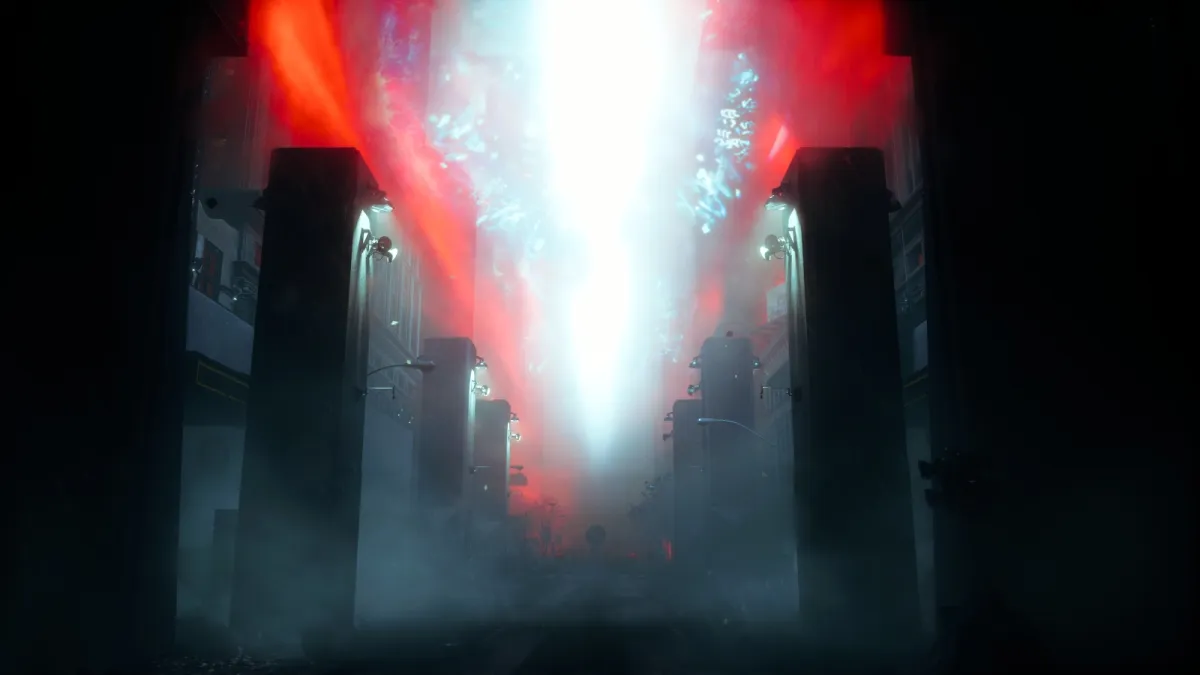
Twisted Tower does not try to hide its BioShock inspiration. Instead, it embraces it, using what players know of BioShock to set expectations, surprise, and, after playing through its story in about 8 hours in just two sittings, I can now add “delight.” It takes place in the 20th Century and stars a man trying to save his love. To do so, he must travel to the Twisted Tower amusement park, a mix of BioShock’s Rapture and Walt Disney World, with the abandoned twistedness you’d expect from the former and the hokey thrills and theming you’d expect from the latter.…

Grand Theft Auto VI is the biggest game of the year, decade, and quite possibly of all time, and it’s gracing the cover of Game Informer this month. I spoke with several lead designers at Rockstar Games to learn exclusive new details about its highly anticipated sequel, with a particular focus on how Rockstar brought the game’s setting and Florida parody, Leonida, to life. Our 14-page cover story features exclusive interview quotes and details of all things Vice City and Leonida. As a lifelong native of South Florida, I offer my homegrown perspective as I discuss with Rockstar never-before-shared features such…

Fate/Extra hit the PSP in 2011 in North America, and while it wasn’t a massive hit, over the decade-plus since, it has become a cult favorite in the turn-based-plus-cards genre. I dabbled with it back in the day, but definitely didn’t see it through to the end – I was too busy putting spins on my Into The Blue UMD. However, as part of this gig and as a general fan of these types of games, I’m not wholly unaware of the community surrounding the Fate/Extra series, which was followed up with a Pokémon Crystal-esque alternate adventure in Fate/Extra CCC…
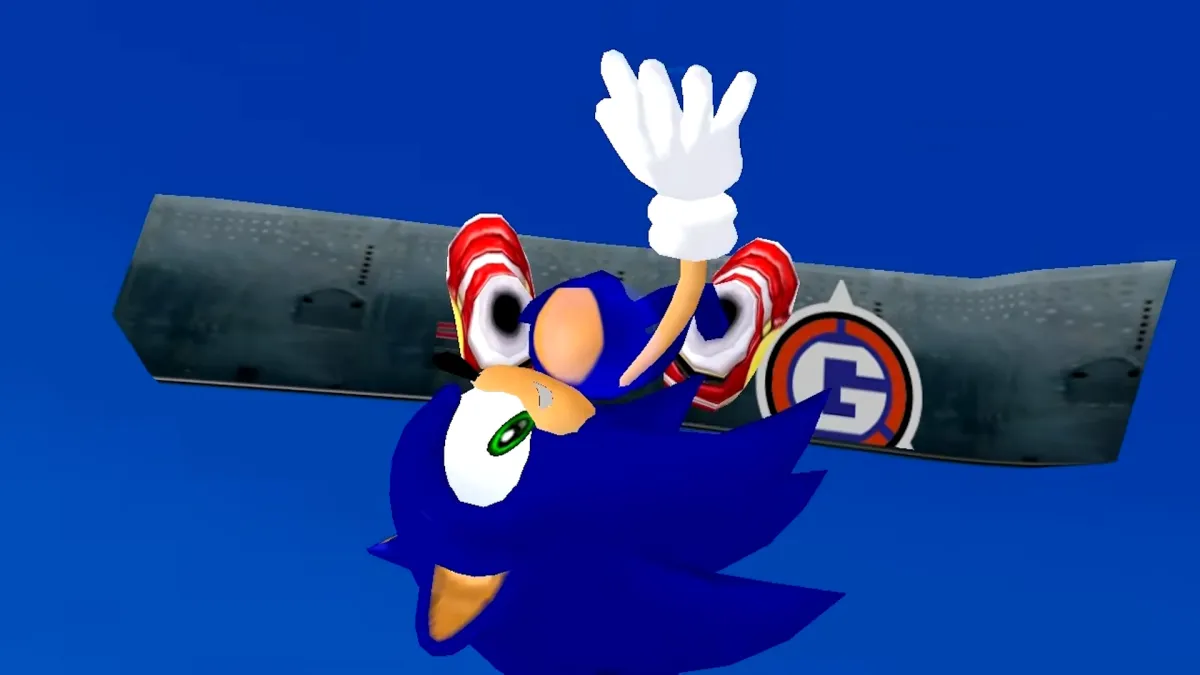
Few video game openings make the impression City Escape does in Sonic Adventure 2. After jumping out of a helicopter, Sonic uses a piece of debris to snowboard down the city streets as the generational earworm, “Escape from the City” blasts. It was a defining moment for gamers, whether they were playing it on the original Dreamcast in 2001 or GameCube in 2002. It’s also one of the best-designed levels in 3D Sonic history. Ahead of its appearance in Sega and iam8bit’s 35 Years of Speed: The Sonic Art Exhibit this weekend in Los Angeles, we got ahold of the…

Sometimes it’s the small changes that make a difference. FC 27 has a headline-grabbing new open-world feature called The Grounds, but it is the tweaks to Ultimate Team that have me returning to the action on and off the pitch. Though the changes are welcome, they create a strong sense of familiarity, for better or worse.In many ways, FC 27’s gameplay is as fluid and dynamic as it has been, and this year demands an extra element of control when you’re on defense. CPU-assisted defense in Ultimate Team’s Competitive game setting has been nerfed, and manual control of your defenders…

The release of Sonic Mania in 2017 signaled to many fans that Sega and the Sonic the Hedgehog franchise were listening to fans. Announced as part of the series’ 25th anniversary in 2016, the title was developed as a collaboration between Sonic Team and a group of independent developers led by designer Christian Whitehead. Following the release and subsequent overwhelming acclaim of Sonic Mania and its upgraded version, Sonic Mania Plus, Sonic Team entered into conversations with Evening Star, the studio founded by Whitehead and several other members of the Sonic Mania dev team in 2018, but despite getting into…

Publisher Critical Reflex was founded six years ago and has since curated one of the most unique, strange, and interesting game catalogs. If I had to guess, the game that put Critical Reflex into your game publisher lexicon was probably 2024’s Mouthwashing, which launched the same year the publisher released other indie hits like Buckshot Roulette and Arctic Eggs. During Tokyo Game Show last week, I spent a couple of hours at the Critical Reflex booth, which was themed like an underground neon-punk bunker, and it was there I played four games that I immediately added to my Steam wishlist…
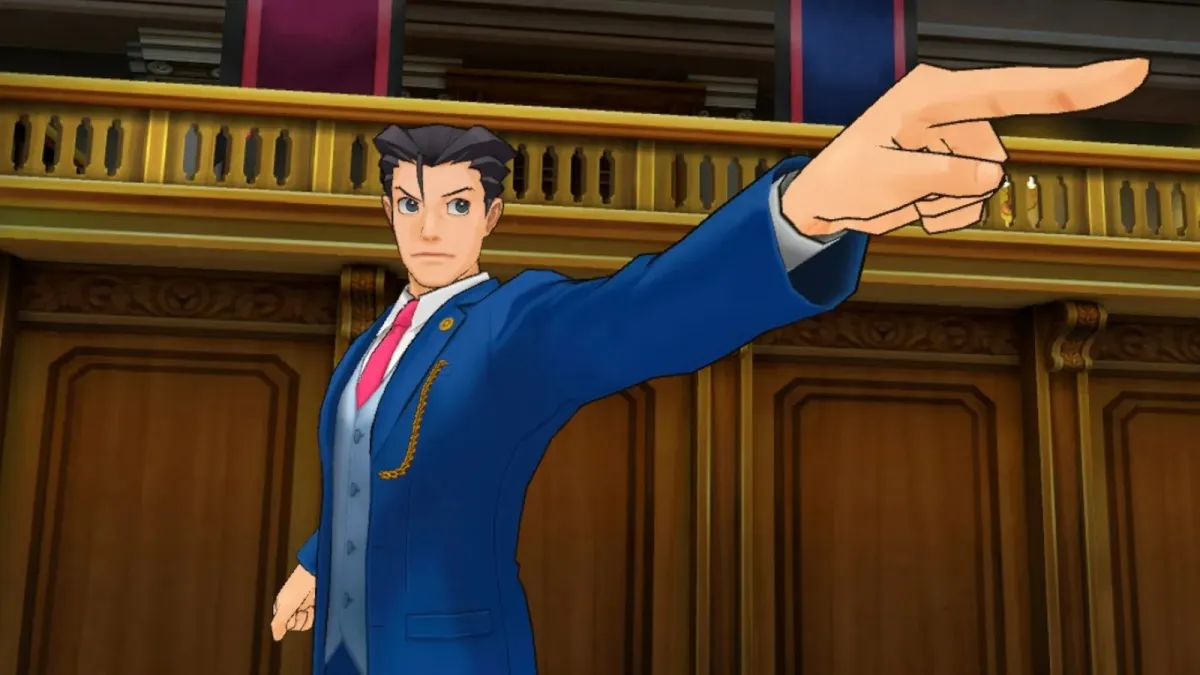
Ace Attorney fans have been hoping for the announcement of a new entry for many years now, but today, we got a surprise instead. Ace Attorney: Dual Destinies VR is a virtual reality version of the fifth mainline game in Capcom’s lawyer-themed adventure series, and it’s coming to Meta platforms next year. You can watch the reveal trailer below. This port gives Dual Destinies a more hands-on approach, allowing players to pick up evidence to inspect, examine environments for clues in first person, and use gestures and voice commands during cross-examinations: You can literally yell “Objection!” to object to a witness’…