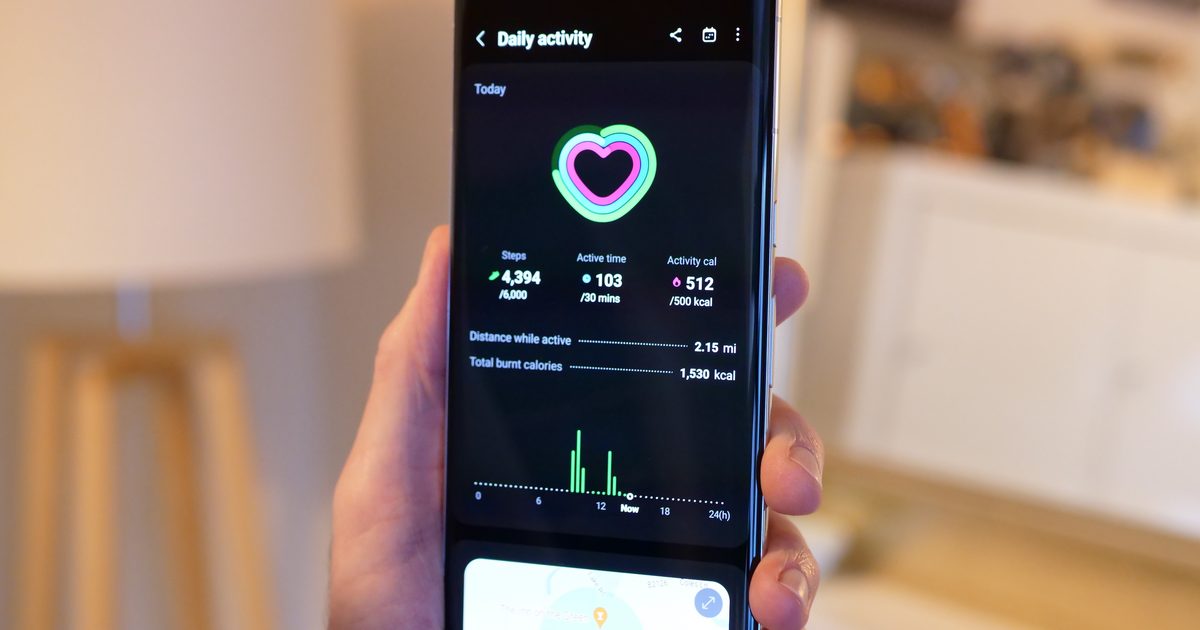




If you track your sleep with an app, you are part of a growing crowd. A new study published in Frontiers in Psychology surveyed 1,002 adults in Norway and found that nearly half had used a sleep app at some point. Women and younger adults were the most frequent users.
The findings paint a nuanced picture, though. These apps are not equally helpful for everyone, and for people already struggling with sleep, they might be doing more harm than good.
What are the actual benefits of using a sleep app?
For most users, the biggest win was simply learning more about their own sleep patterns. Around 48% of users said the app provided useful insight into their sleep. About 44% found the apps genuinely useful overall. A smaller group, around 15%, said their sleep actually improved.
Younger users between the ages of 18 and 35 reported the strongest positive effects, including feeling more motivated to prioritize sleep and forming better habits. The researchers suggest that this is partly because younger people tend to use screens in bed more often, giving them more room for improvement.
Why do sleep apps make insomnia worse for some people?
People with insomnia symptoms were significantly more likely to report negative effects. They were more prone to worrying about their sleep after seeing the app data and were more likely to feel that something was wrong with them. This tracks with what researchers already know about insomnia.

People who struggle to sleep tend to have heightened attention toward sleep-related information, and an app constantly surfacing data about sleep deficits can amplify that anxiety. Scientists even have a term for it: orthosomnia, an excessive preoccupation with sleep data that paradoxically worsens the problem.
The study’s researchers recommend that insomniacs learn what their app actually measures and how reliable it is. If the data keeps causing stress, they suggest switching off notifications or removing the device at night altogether. Going to bed only when you genuinely feel tired, rather than forcing a schedule, was also highlighted as more beneficial for long-term sleep health.
If you are serious about optimizing your sleep beyond just tracking it, the Eight Sleep Pod is worth looking at.