



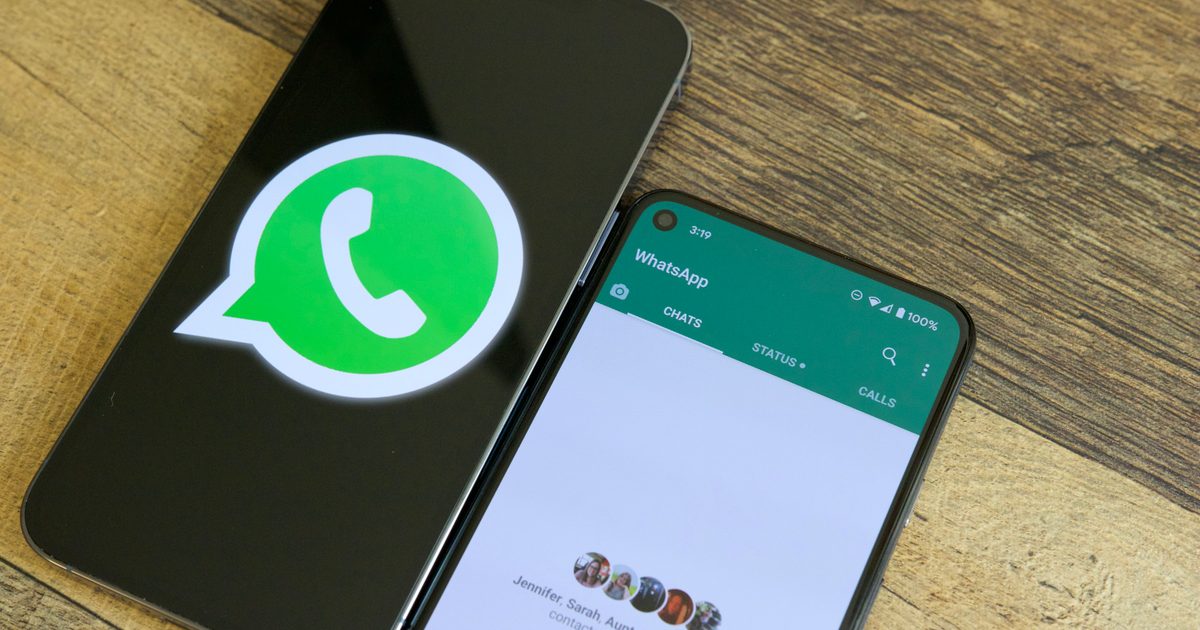
If your iCloud storage is constantly running low, WhatsApp might have a fix coming. Code spotted in the WhatsApp beta for iOS by WABetaInfo reveals that Meta is building its own first-party cloud backup service for iPhone users.
For the first time, you would be able to store your WhatsApp chat history on WhatsApp’s own servers instead of iCloud. The feature is still in development and not yet available to beta testers, with no official release date announced.
Will WhatsApp’s backup service be free?
Once the feature launches, you will be able to choose your preferred backup provider directly from the chat backup settings inside WhatsApp. iCloud stays the default, so nothing changes if you ignore it.
WhatsApp will offer 2GB of free storage to start. For heavier users, a 50GB paid plan is reportedly priced at around $0.99 per month, matching Apple’s entry-level iCloud plan. A 1TB option is also being explored, though all pricing and tiers are still preliminary and could change.
The practical benefit is real since Apple only gives you 5GB of free iCloud storage for everything, and WhatsApp backups, especially for people who share a lot of media, can quietly eat through most of it.
WhatsApp’s backup service will be more private than iCloud
One meaningful difference between iCloud and WhatsApp’s own service is how encryption works. On iCloud, end-to-end encryption for WhatsApp backups is optional and has to be switched on manually. On WhatsApp’s servers, it would be mandatory, with no way to turn it off, and not even Meta could access your backup.
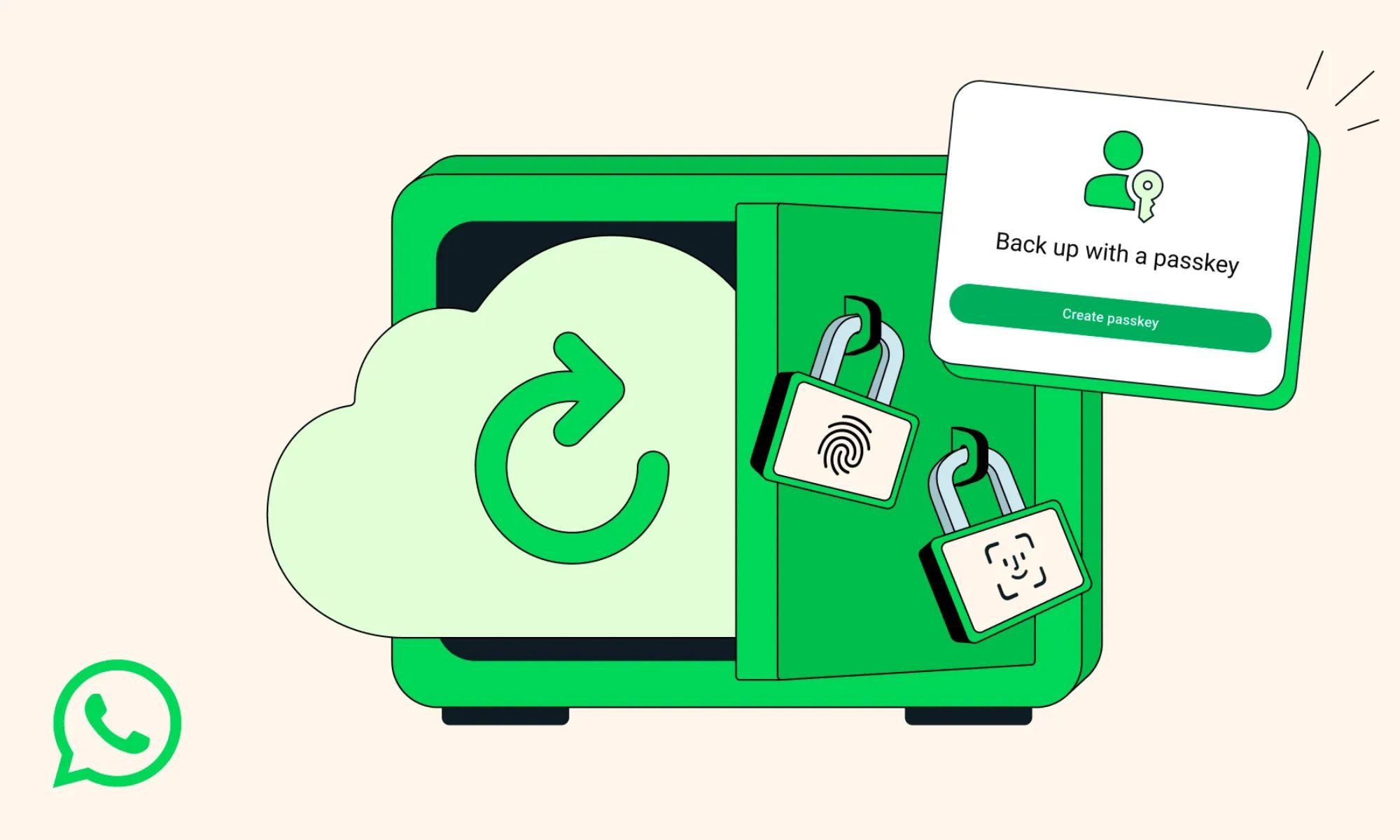
WhatsApp recommends securing it with a passkey, though a regular password or a 64-digit key would also work. Another potential upside is cross-platform restores, since WhatsApp controlling its own backup infrastructure could eventually make switching from iPhone to Android without losing your chat history a real possibility.
Not everyone is convinced, though. Reaction online has been skeptical, with many users pointing out that trusting Meta with your chat backups raises its own privacy concerns regardless of the encryption promises.