

Valor Mortis is a brave new game from developer One More Level. It competes not only against the studio’s excellent Ghostrunner series, but also the ever-expanding Soulslike subgenre of action games. Fortunately, Valor Mortis largely succeeds on both counts, creating a new world I hope to see more of from this team and a unique first-person stab at its action. It is too often unfairly challenging, largely because of brutal balance issues in the first half, and it doesn’t take its compelling narrative premise anywhere unexpected. But its beating heart is the combat and how it intersects with exploring this nightmarish 18th-century France, and that provides an enticing playground for trying, dying, and trying again.
William is just another soldier in Napoleon’s continent-stretching army, but when he dies, he somehow reawakens on a destroyed battlefield with the Emperor speaking directly to him, seemingly telepathically. He moves forward at Napoleon’s command and, over 25 hours, gains BioShock-like control over fire, time, and more that you control with your left hand. These powers are few, but they complement your combat kit nicely, which relies primarily on swords and guns to get the job done. By the end, you’ll have multiple firearms, like a pistol and long-range musket, to use alongside different blades and psychic powers to kill the zombie remnants of Napoleon’s army and the ravaged and cursed citizens of the land his war has left behind.
The answers to questions like how and why Napoleon is in your head, why you can stop time, or why a magical, bedeviled chemical agent is reanimating the corpses of soldiers and villagers are less interesting than where your imagination will likely take you. It’s a straightforward story to follow and far less exhausting to understand than others in the genre. Sidequests add bite-sized flourishes of humanity and mystery, but ultimately, Valor Mortis’ exciting premise left me simply whelmed by the end.
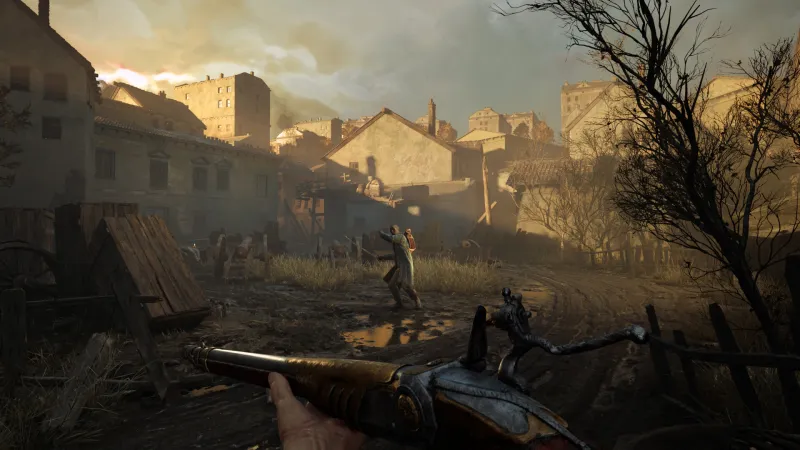
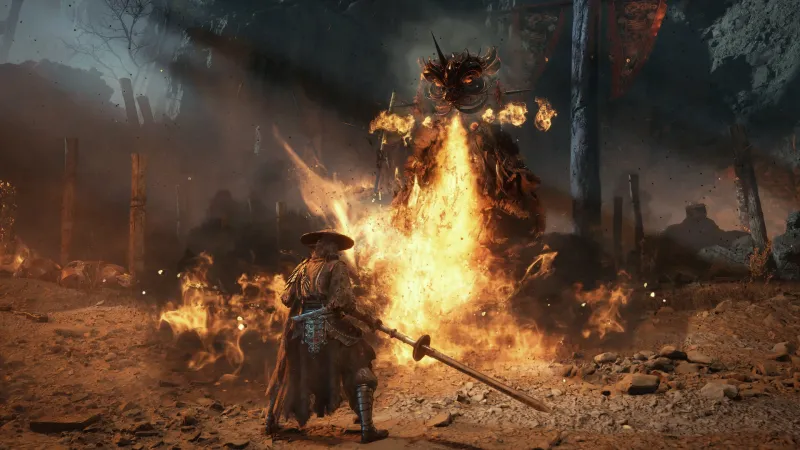
Fortunately, playing Valor Mortis is far more enjoyable, though balance issues mar the action. I’m no stranger to the Soulslike genre, typically defined by ultra-hard boss fights, dropping your primary currency upon death (and having to pick it back up to regain it), and rest points that reset the world state of enemies. That’s all here in Valor Mortis, and it pairs well with One More Level’s first-person combat, honed with sharpened experience from the Ghostrunner games. But too often, Valor Mortis’ difficulty veers into the realm of the unfair. Boss fights should be skill checks, exams to ensure you’re paying attention to everything in your toolkit, but the first half of Valor Mortis’ difficulty is poorly balanced, giving you no space to learn and react to enemies. Getting whacked once and dying provides no room to understand what I did wrong, and though this issue showed its face most in boss fights, even standard mob enemies felt like they had access to random insta-kill moves, too.
I’m not sure if the second half is better balanced, or if my upgrades to stamina, health, and weapons gave me the fighting chance I was missing in the early hours, but there is a point where Valor Mortis settles nicely into the type of challenge that encourages just one more try.
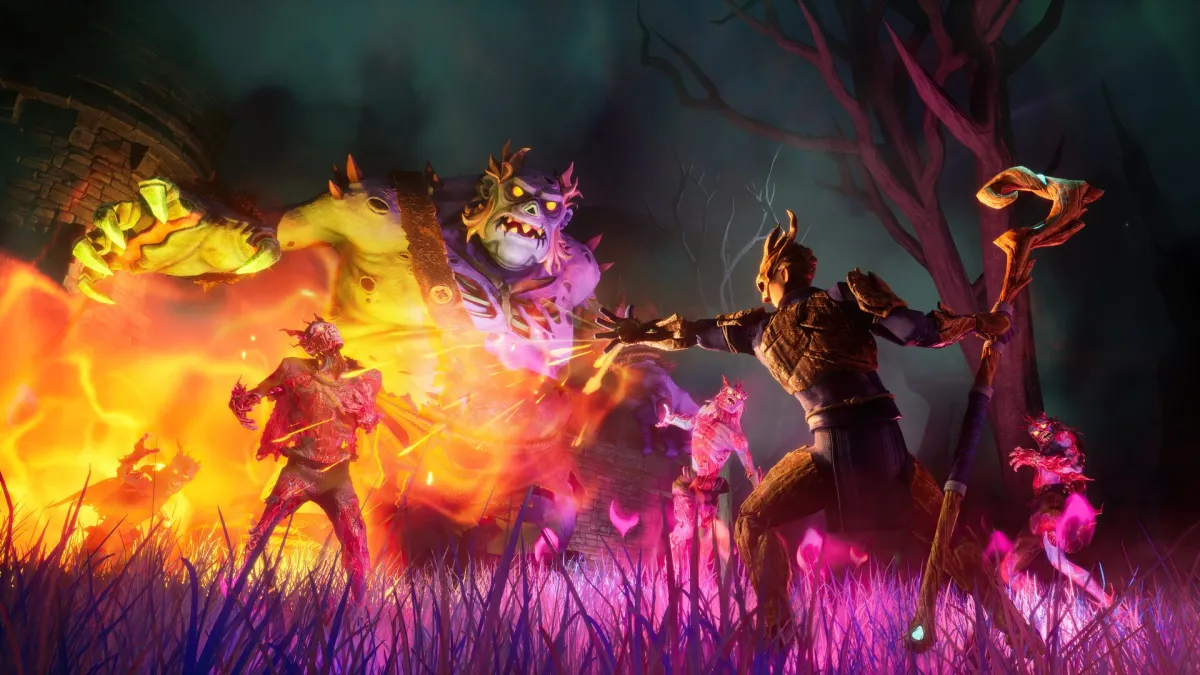
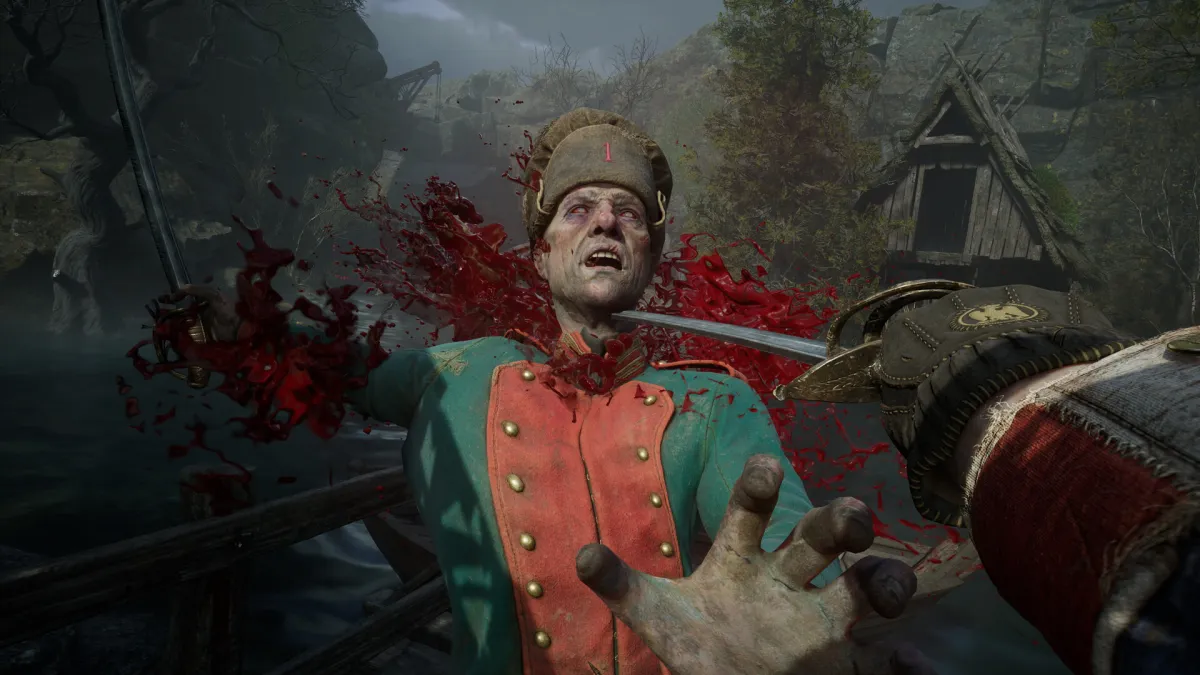
Parrying is your best friend, though you can block at the cost of some health or dash out of the way, and learning how to counter hulking soldiers, zombie dog-things, and lab experiments gone very, very wrong is satisfying. So, too, is using my kit of psychic powers like fire to light enemies aflame or stasis, which allows me to freeze enemies with explosive effects. Mixing and matching my saber, rapier, or claymore with my shotgun-like blunderbuss or pyro hand encouraged me to use everything I had to win. It’s impossible to get through Valor Mortis without using every tool in your kit, and it’s clear One More Level is confident in the combat it’s crafted here.
There are sequences where William must wall-run, grapple, swing off poles, and jump from a shrinking platform to the next, and it’s a blast of fast adrenaline in the otherwise intentionally slow, focused gameplay. It’s no surprise One More Level displays masterful command over this type of action – it’s what makes Ghostrunner so good – but it also reminded me of what I like about that series over Valor Mortis; I imagine this is an unwanted side effect. The same can be said for Valor Mortis’ best feat of storytelling: a B-plot centered on the Mice, orphaned children who seek a different kind of leader after what Napoleon has done to their homes, which is clearly inspired by BioShock’s Little Sisters storyline. It even includes a purposefully obfuscated mortality system to help the Mice, which affects a few small sequences later in the game. It’s done well, but not as well as its source material.
This B-plot with the Mice, which largely plays out in side quests, is easy to discover because Valor Mortis keeps veering off the golden path in enticing and rewarding ways. There are countless items to find, like grenades or extra-powerful bullets, as well as myriad minibosses and side quests to take on, and reaching these pick-ups, enemies, and more will often require you to explore this beaten landscape in ways your main path forward won’t. It’s a testament to One More Level’s chapter design, as each takes you to a new location that builds on the last while leaving its own unique mark on William’s adventure.
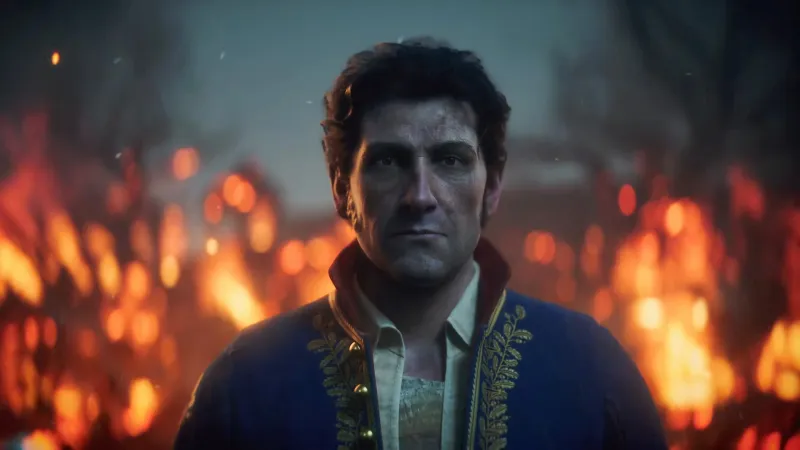
I definitely died more than 100 times from start to finish. I wish a good portion of those deaths were fairer – I would have liked to learn from them rather than feel my annoyance mount higher. When Valor Mortis’ various systems coalesce into a French army-uniformed package in the second half, however, it becomes a game that demands a lot from you and returns your efforts in kind with satisfying rewards, or at the very least, the lantern to rest at you’ve been begging to see. One More Level’s first go at the Soulslike falls short of its premise, but it’s a confident step into the genre that leans on the studio’s prior expertise to deliver something tense and novel.