


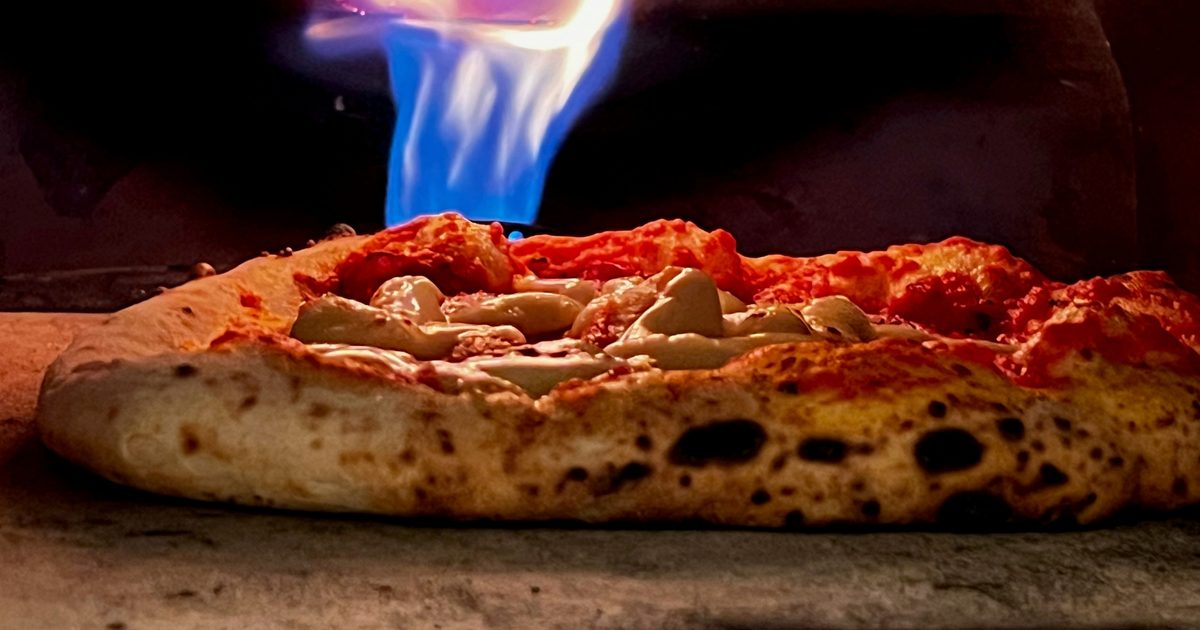
The future of fast food was supposed to look something like this: walk into a restaurant, place an order, and watch a robot assemble your pizza with machine-like precision. Instead, some of the companies that promised to automate pizza-making have struggled to turn that vision into a sustainable business.
The latest example is Picnic, whose robotic pizza-making system was deployed at a Moto Pizza restaurant in Seattle. But in May, its supplier abruptly shut down, leaving the restaurant with expensive machines and no technical support. Lee Kindell, who had invested about $160,000 in the cabinet-like equipment, was left questioning whether robotic pizza-making was worth the gamble.
The problems point to a broader issue: making pizza may look like an easy job for a robot, but the messy reality of food preparation is proving considerably harder to automate.
Pizza looks simple until a robot has to make it
Companies including Zume and Pazzi have already attempted to automate pizza production, while Basil Street developed pizza vending machines. Yet the BBC reports that the success stories have not materialized at the scale once predicted. Sara Senatore, a restaurant analyst at Bank of America, was quoted stating food-preparation robots can be clumsy, sometimes putting ingredients in the wrong places, while humans remain remarkably efficient at making pizzas.
There is still a compelling reason for restaurants to keep trying. Automation can make production faster and more consistent, potentially allowing businesses to serve large numbers of customers with fewer workers.
Kindell saw that firsthand when he used Picnic’s machines at T-Mobile Park, home of the Seattle Mariners. A setup that would normally require around 10 people could operate with two workers. But the other eight people weren’t necessarily eliminated; they could be moved into customer-facing and promotional roles.
That distinction could become increasingly important as restaurants experiment with automation without wanting to sacrifice the human interaction customers expect.
The robots aren’t dead – they’re just not ready yet
There are signs the technology is evolving rather than disappearing. Appetronix, which installed a 24/7 robotic pizza unit for Donatos at John Glenn Columbus International Airport in Ohio, is working on faster machines capable of producing a pizza roughly every minute. The company is exploring ways to deposit sauce faster and even investigating lasers and ultrasound for slicing.
Meanwhile, Miso Robotics acquired more than 300 patents formerly owned by Zume, suggesting some of the technology developed by failed pizza-automation businesses could find another life. The industry numbers suggest the robot pizza revolution is still more experiment than mainstream reality. The National Restaurant Association found that just 9% of US restaurant operators planned to invest in restaurant robots in 2025. Meanwhile, research into real-world deployments highlights high upfront costs, integration headaches and maintenance downtime as persistent barriers. In other words, restaurants may like the idea of robots – but putting one in the kitchen is another matter entirely.
The bigger challenge may be deciding where robots actually make sense. Some restaurants see food as part of a social experience and believe removing people could undermine that appeal. Others are more interested in consistency, speed and round-the-clock production.
Kindell remains convinced that fully autonomous pizza-making will eventually work. “There is no doubt in my mind that there will be a fully autonomous pizza robot,” he told the BBC. The question, he says, is simply who will be the first to make it work.