



Consumer tech has spent the last decade turning the body into a stream of metrics. Heart rate, sleep stages, blood oxygen, recovery, stress, and readiness have all been packaged into dashboards that deliver a clearer picture of your “health”. Now the next frontier may be a little more intimate by moving up to the brain—not literally, thankfully.
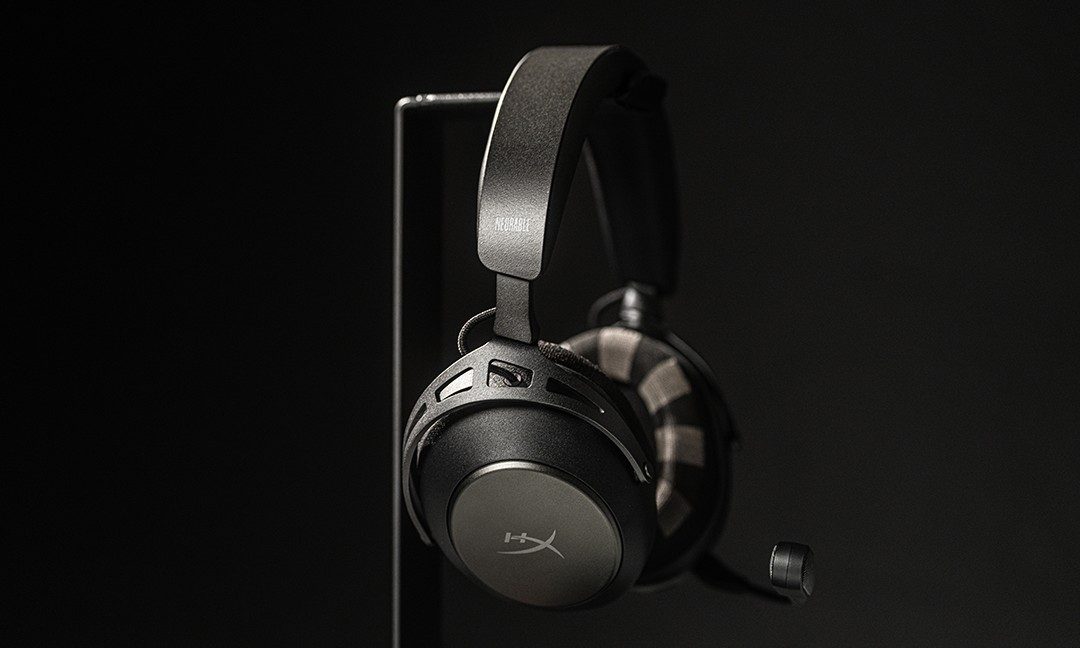
Neurable, a Boston company building noninvasive brain-computer interface tech, is moving to a licensing model, which means its EEG-based system could soon show up in a much wider range of consumer gadgets beyond the company’s own headphones. Other brands may be able to build the tech into familiar products such as gaming headsets, smart glasses, hats, helmets, and other hearables. One of the first products expected to feature it is a gaming headset developed in collaboration with HyperX.
The technology isn’t as sci-fi as it sounds
When most people hear “brain tech,” they probably think of Neuralink-style implants or some dramatic form of mind reading. Neurable’s approach is a lot less dramatic. Its system uses electroencephalography, or EEG, which measures electrical activity in the brain through sensors placed on the head. Those signals are then processed through software models designed to estimate things like focus, cognitive strain, mental recovery, readiness, and anxiety.
So rather than decoding thoughts, Neurable is trying to translate broad brain-state signals into consumer-facing scores and prompts that resemble the health insights people already get from smartwatches and fitness bands. That is exactly what the company is betting on—making it feel similar to smartwatches or smart bands like Fitbit.
A headset that claims to monitor concentration or detect mental fatigue can sit much more comfortably next to a wellness device than a lab instrument. Neurable talks about use cases like gaming performance, student focus, workplace fatigue, and recovery from cognitive overload. The language around the product is carefully framed as well. It avoids talk of invasive surveillance and leans instead on self-optimization, routine management, and better day-to-day performance.
Why this could become normal surprisingly fast
The big reason this might stick is the form factor. Consumer neurotech is not arriving as some awkward and medical-looking gadget. The hardware is being tucked into products people already understand and already buy. That is how new categories become socially acceptable. Fitness tracking followed that path on the wrist. Brain-state tracking now seems to be attempting the same move through headphones and other head-worn devices.
This philosophy extends to the experience itself. “Brain readiness” starts sounding a lot like the familiar language of health metrics, not unlike sleep scores or heart-rate variability. Once enough products start promising insights into mental workload, fatigue, or focus, a whole new wearable category starts to open up.
There is promise here, but there are also real questions
There is a genuine consumer appeal here. Plenty of people would want better signals around burnout, stress, or cognitive fatigue if those signals are reliable and useful. From students to gamers, anyone whose day depends more on mental sharpness than physical output could see the appeal. A wearable that helps identify when focus is slipping or when recovery is needed fits neatly into a culture already obsessed with “doing better”.

But trust is where things get slippery. Brain metrics sound authoritative by default, and that can become a problem quickly. Privacy concerns feel much sharper once companies begin collecting data that feels more personal than step counts or sleep trends. Neurable says its practices are privacy-conscious and consent-driven, but those assurances are going to face much tougher scrutiny if the technology spreads across more brands and more product categories.
The darker outcome goes beyond privacy. A system built to track focus and cognitive strain could easily attract companies that want more than wellness insights. It could become a way to monitor whether workers look alert enough, engaged enough, or productive enough, which is exactly how consumer neurotech could slide from self-tracking into workplace surveillance.
The real tension is easy to miss because the packaging is so friendly. A headset that promises better focus sounds useful enough. A market full of products trying to score your mental state every day sounds like something people should probably think a lot harder about before it becomes normal.