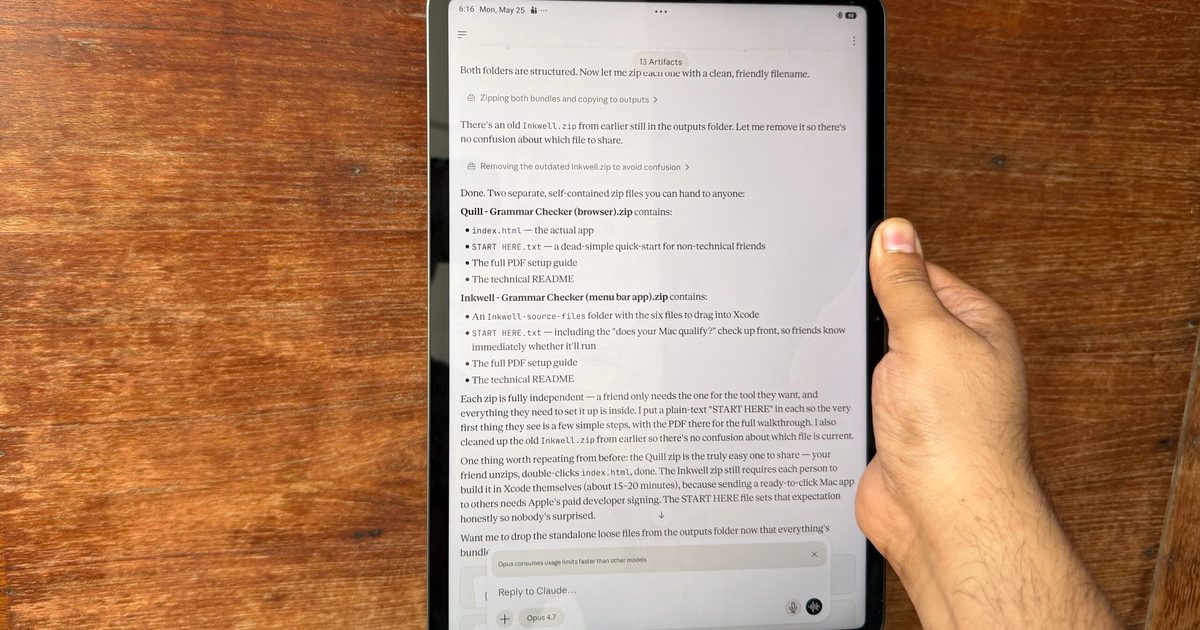





When it comes to flagship phones, the word “Ultra” has started to lose meaning. Every brand throws it around, but very few actually deliver something that feels… ultra. Take the Samsung Galaxy S26 Ultra, for instance. It’s a solid phone, sure, but exciting? Not quite. And that’s the bigger issue with the US market right now. Some of the most interesting Android flagships simply don’t make it here.
Meanwhile, brands like Vivo, Oppo, and Honor are quietly pushing smartphone cameras into territory that feels closer to dedicated cameras than ever before. And then there’s the Xiaomi 17 Ultra. After using it for a couple of weeks, one thing is clear: this isn’t just a phone with a great camera. It’s a camera that happens to be a phone. And honestly, it kind of feels like a modern-day revival of the Samsung Galaxy Camera.
If this thing officially launched in the US, it would shake things up in a big way.
Spec Sheet Flex, But Make It Real
The Xiaomi 17 Ultra doesn’t just show up with a spec sheet — it shows off. You’re looking at a Leica-tuned triple-camera setup led by a 50MP 1-inch Light Fusion 1050L sensor with an f/1.67 aperture and LOFIC HDR, which is basically a fancy way of saying it handles highlights and shadows like a champ. Then there’s the real party trick: a 200MP periscope telephoto (Samsung HP9, 1/1.4″) with a slick continuous optical zoom from 75mm to 100mm (around 3.2x to 4.3x), stretching all the way to a wild 400mm equivalent via in-sensor crop.
Rounding things out is a 50MP ultrawide with a 115° field of view and macro support, plus a surprisingly serious 50MP autofocus selfie camera up front. And yes, it shoots 8K at 30fps and 4K at 120fps with Dolby Vision and ACES Log, which is as close as a phone gets to saying, “Yeah, I can do cinema too.” Additionally, there’s Leica optics and color tuning across all lenses. In fact, that Leica partnership isn’t just branding either. It shows up in how the photos look, feel, and behave.
Daylight Drama, Minus the Drama
Let’s start with daylight shots, because this is where most phones already do well. The Xiaomi 17 Ultra does better. Images are sharp, detailed, and rich without looking artificially processed. You get two primary profiles: Leica Authentic and Leica Vibrant. I found myself leaning toward Vibrant more often, and here’s the thing: it doesn’t go overboard.
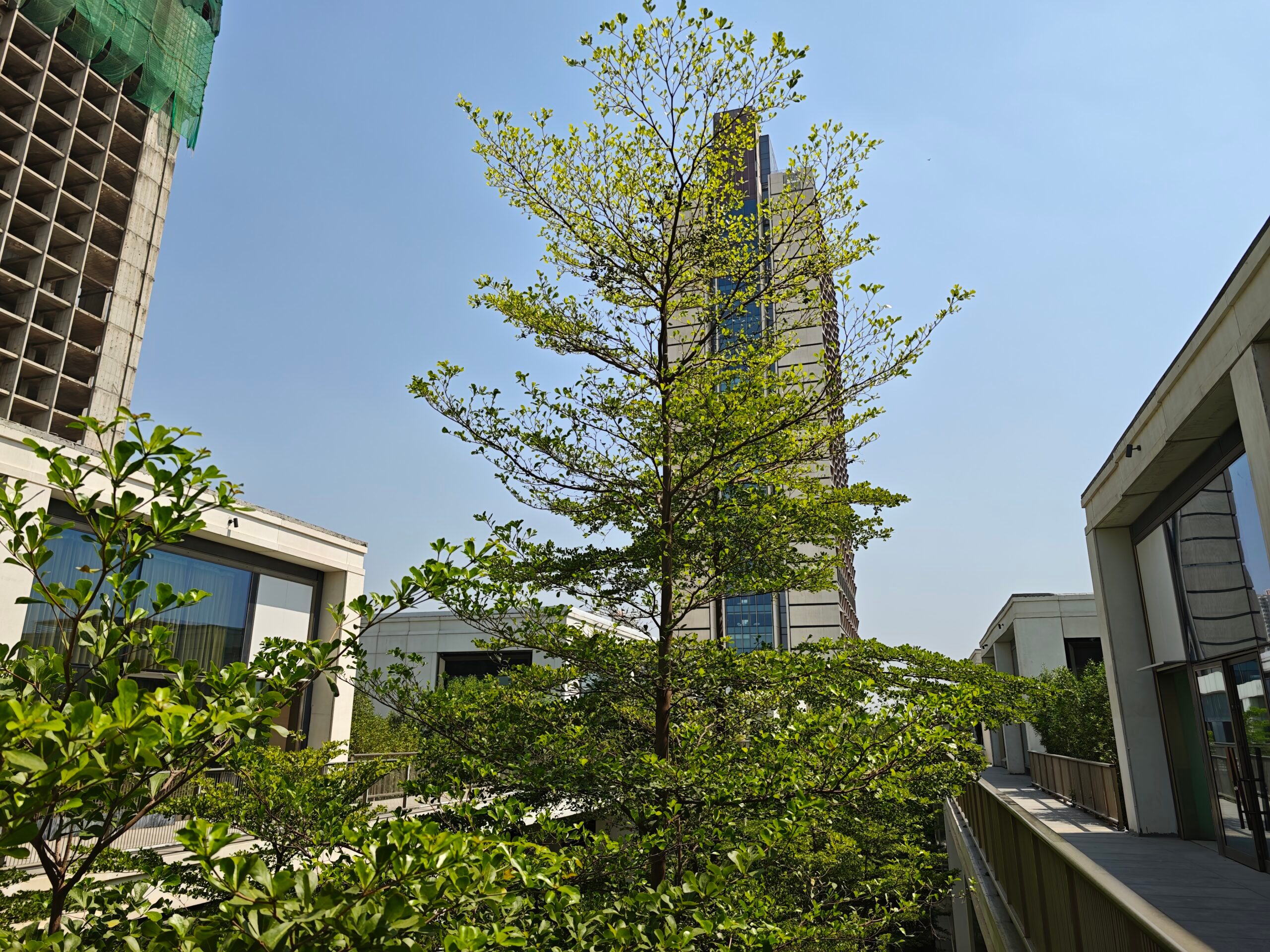




Colors pop, but they don’t scream. Greens look lively without turning neon, blues stay controlled, and overall contrast feels more… intentional.

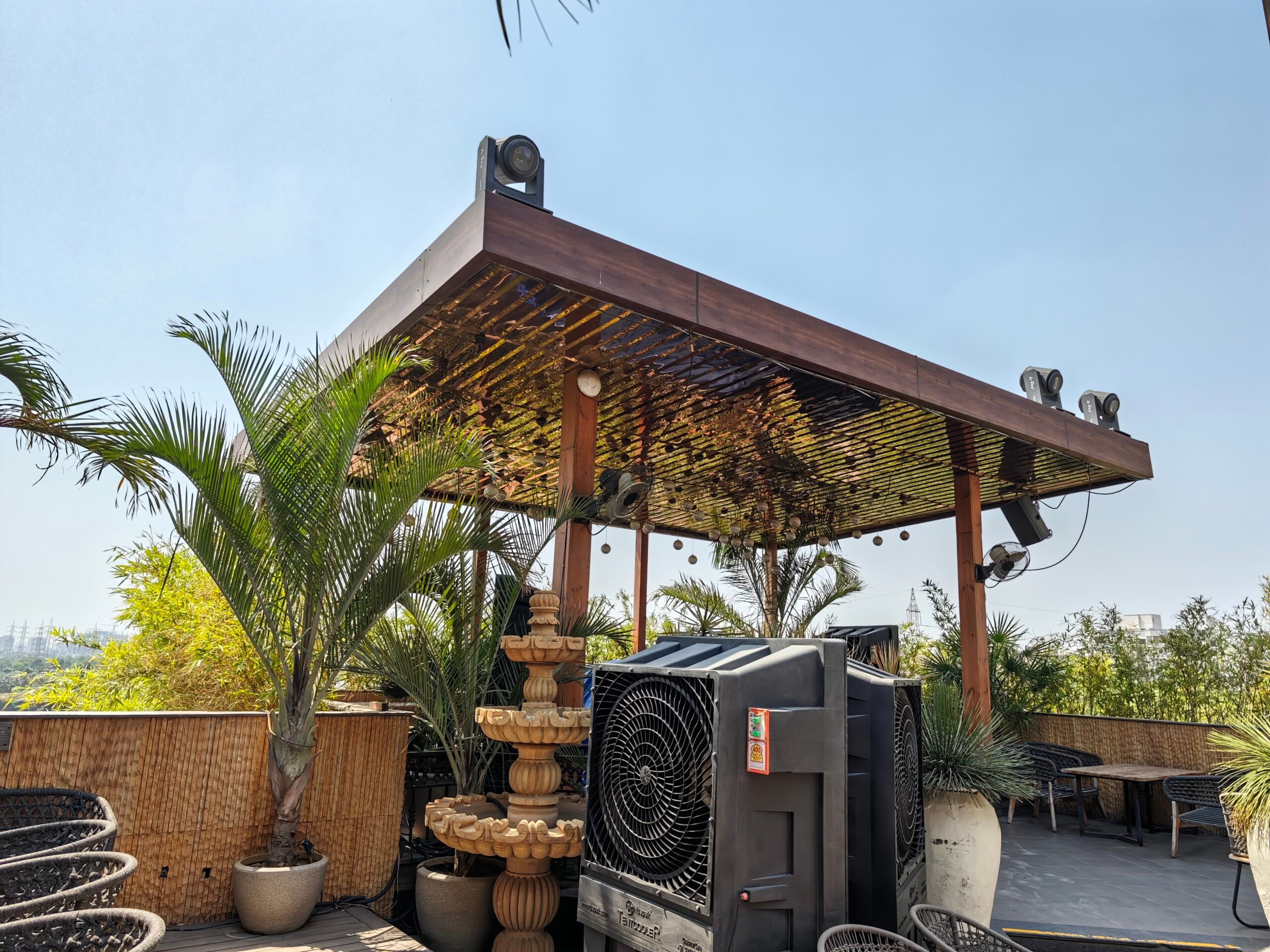


Honestly, it’s a refreshing break from the oversharpened, overprocessed look that some flagships lean into. Furthermore, the HDR performance is another highlight. Even in tricky lighting, the phone balances highlights and shadows beautifully, without flattening the scene.
Zoom Game That Actually Feels Like a Camera
This is where things start getting really fun. The combination of multiple lenses and a continuous optical zoom system means you’re not just jumping between fixed focal lengths. You’re actually working with something that feels closer to a real camera lens. From 1x to 2x, 3.2x, and even beyond, the results stay impressively sharp. Colors remain consistent across zoom levels, which is something many phones still struggle with.




And here’s the surprising part. I ended up using the camera at around 3.2x most of the time. It just hits that sweet spot for composition, perspective, and background separation.
Portraits That Don’t Try Too Hard
Portrait photography is another strong suit here, and it benefits massively from that telephoto hardware. You can shoot portraits using the tele lens for natural depth, or switch to portrait mode for additional processing. Either way, the results are excellent.


Edge detection is clean, subject separation looks natural, and the background blur doesn’t feel fake or overdone. In many cases, it genuinely holds its own against a decent DSLR setup.



What I really liked, though, is that you don’t always need portrait mode. Just using the telephoto lens gives you that natural compression and bokeh, especially for subjects like pets or candid shots.
Low Light, No Panic
While daylight photography is great, it’s great on a lot of other phones too. However, low-light photography is where this phone really flexes. That 1-inch sensor combined with the wide f/1.67 aperture allows it to pull in a ton of light. And the results show.


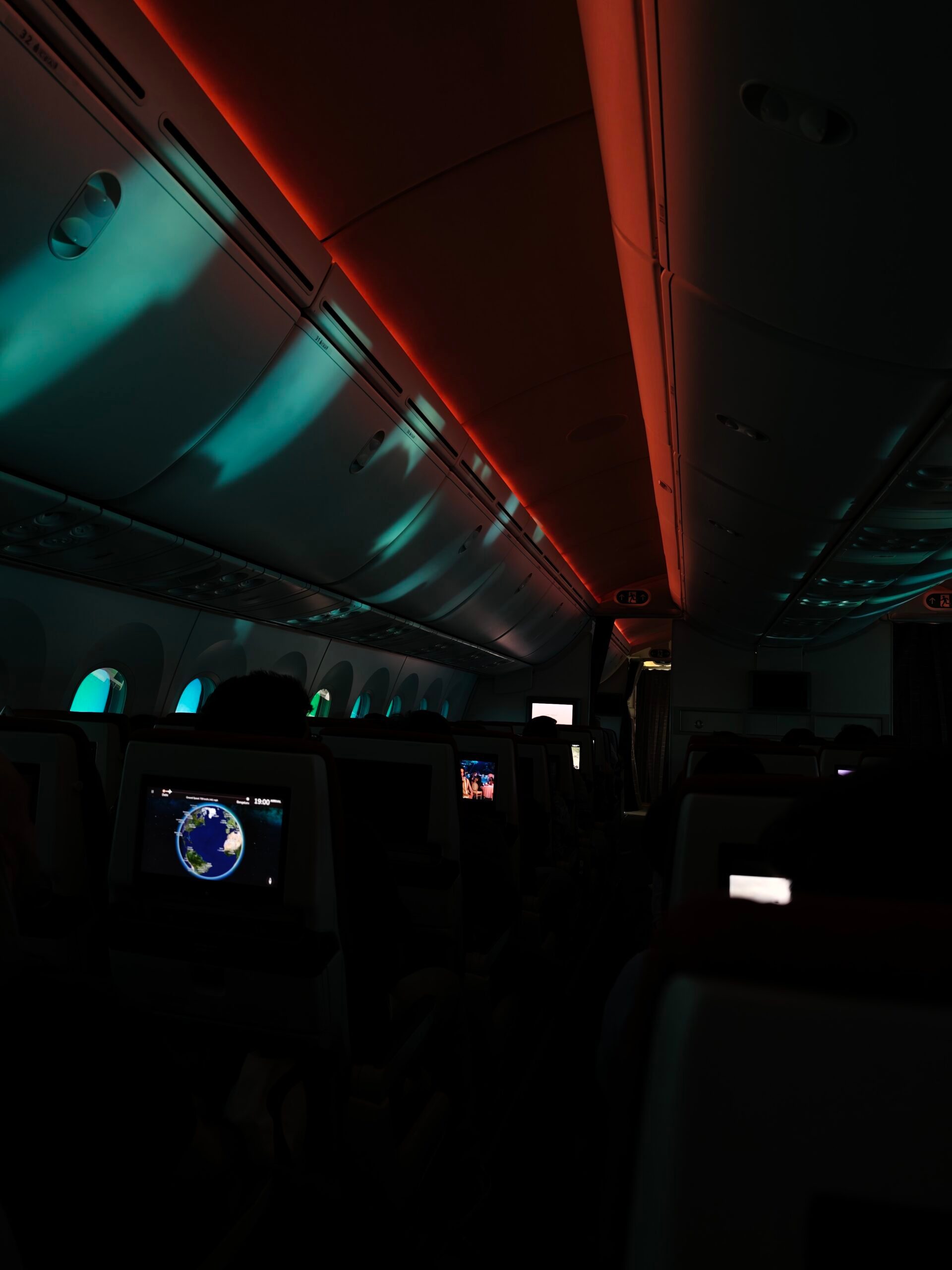





Even in challenging conditions with minimal lighting, the Xiaomi 17 Ultra manages to retain detail, control noise, and preserve the overall mood of the scene. Importantly, it doesn’t try to turn night into day. You still get that nighttime feel, just with better clarity and detail. Highlights are controlled, lens flare is minimal, and textures don’t get smudged into oblivion.
Ultrawide, But Actually Useful
The ultrawide camera here isn’t an afterthought. At 14mm, it captures a seriously wide field of view, which is great for landscapes, architecture, and group shots. Even better, image quality holds up surprisingly well, including in lower light.
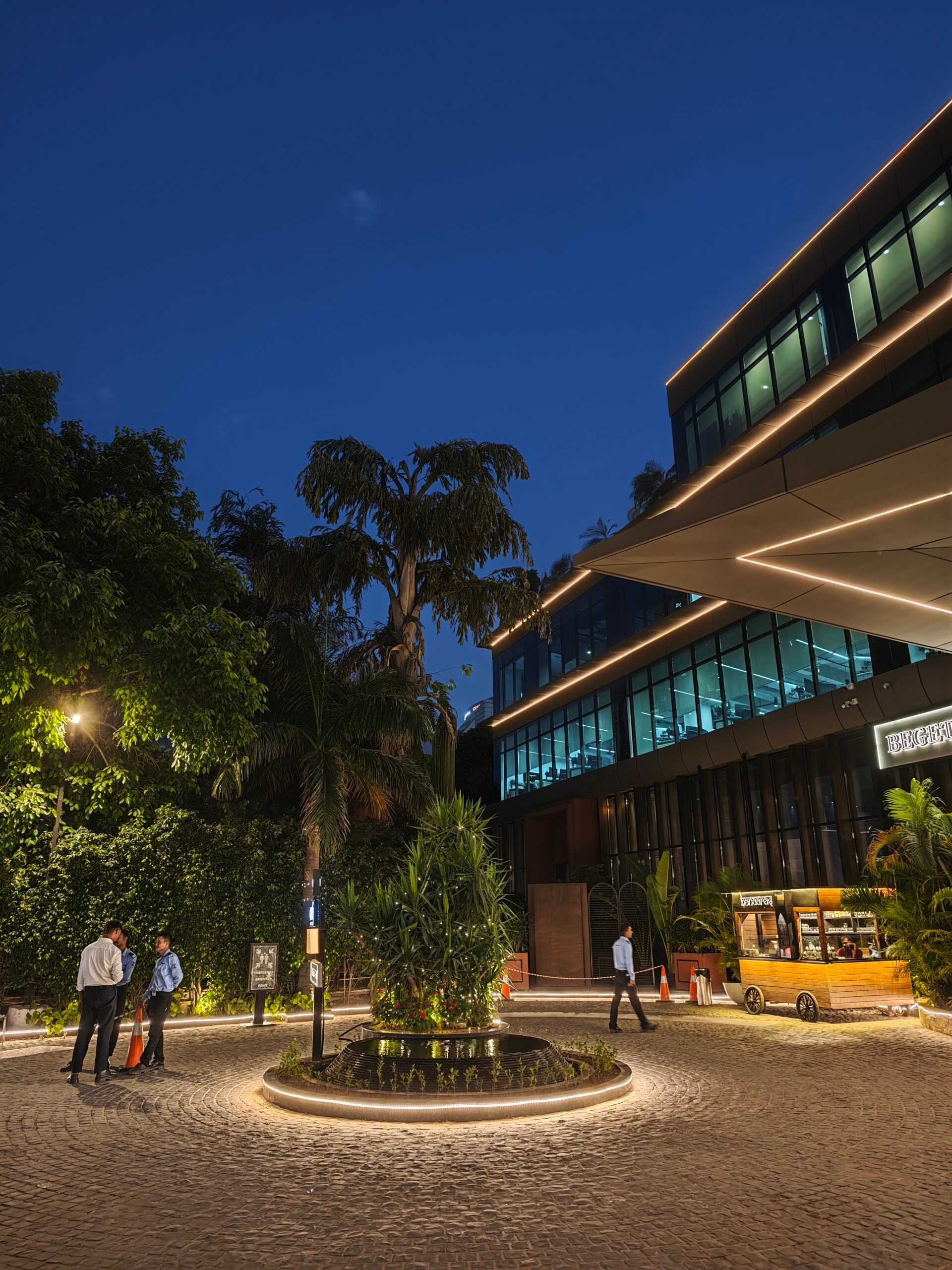
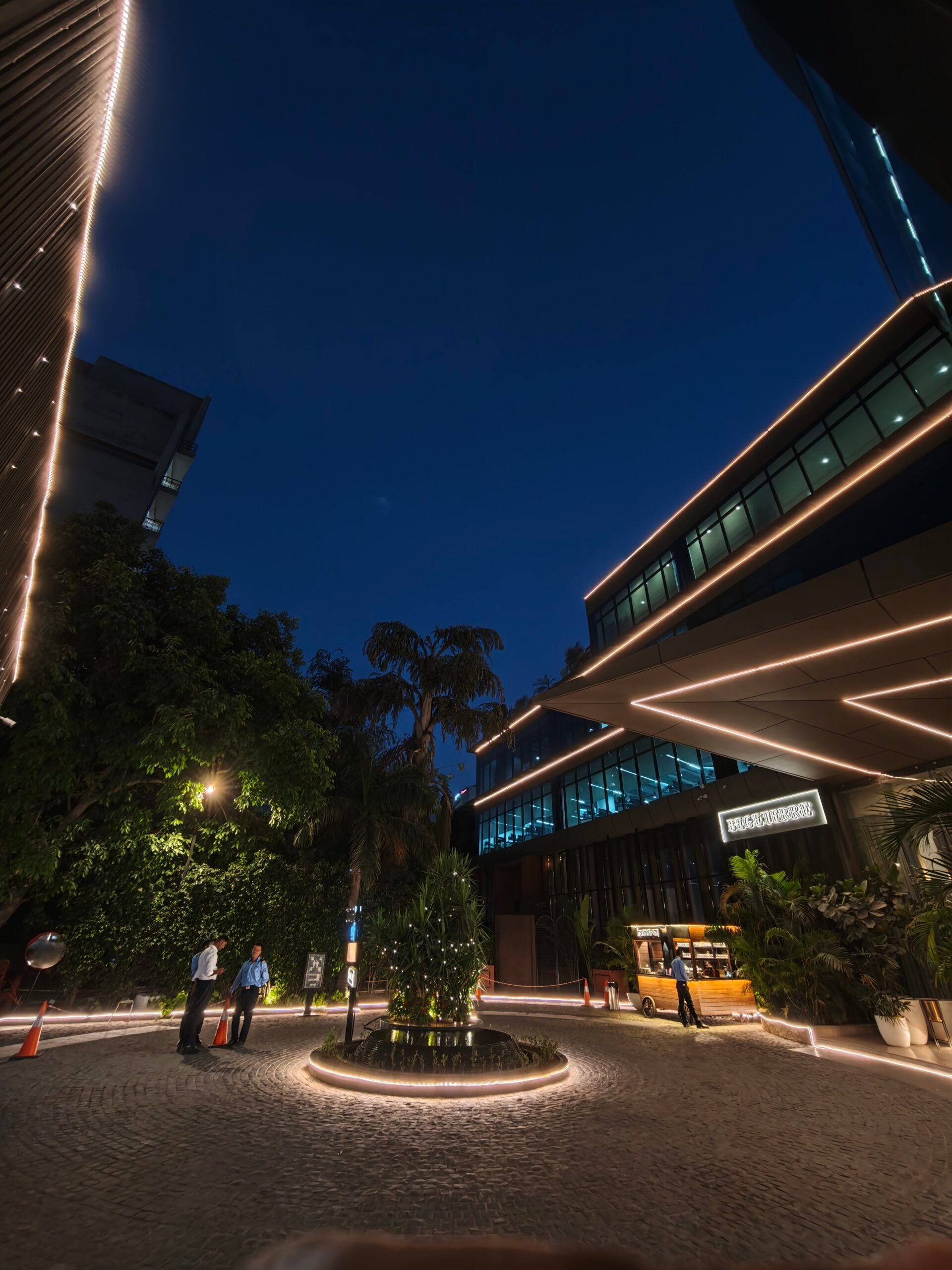
That said, there’s one small annoyance. The placement of the ultrawide lens near the edge of the camera module means it’s very easy to accidentally get a finger in the frame. It’s not a dealbreaker, but definitely something to be mindful of.
The Photography Kit Pro
Speaking of the camera array, one of the best things Xiaomi did with this phone was to introduce the Photography Kit Pro, and the second best thing they did was to supply me with the kit, too. You get better ergonomics, physical controls for shooting, and an overall experience that makes you want to take more photos. It bridges that gap between smartphone photography and traditional cameras in a really satisfying way. The grip also doubles as a battery pack, which is incredibly useful during long shooting sessions.
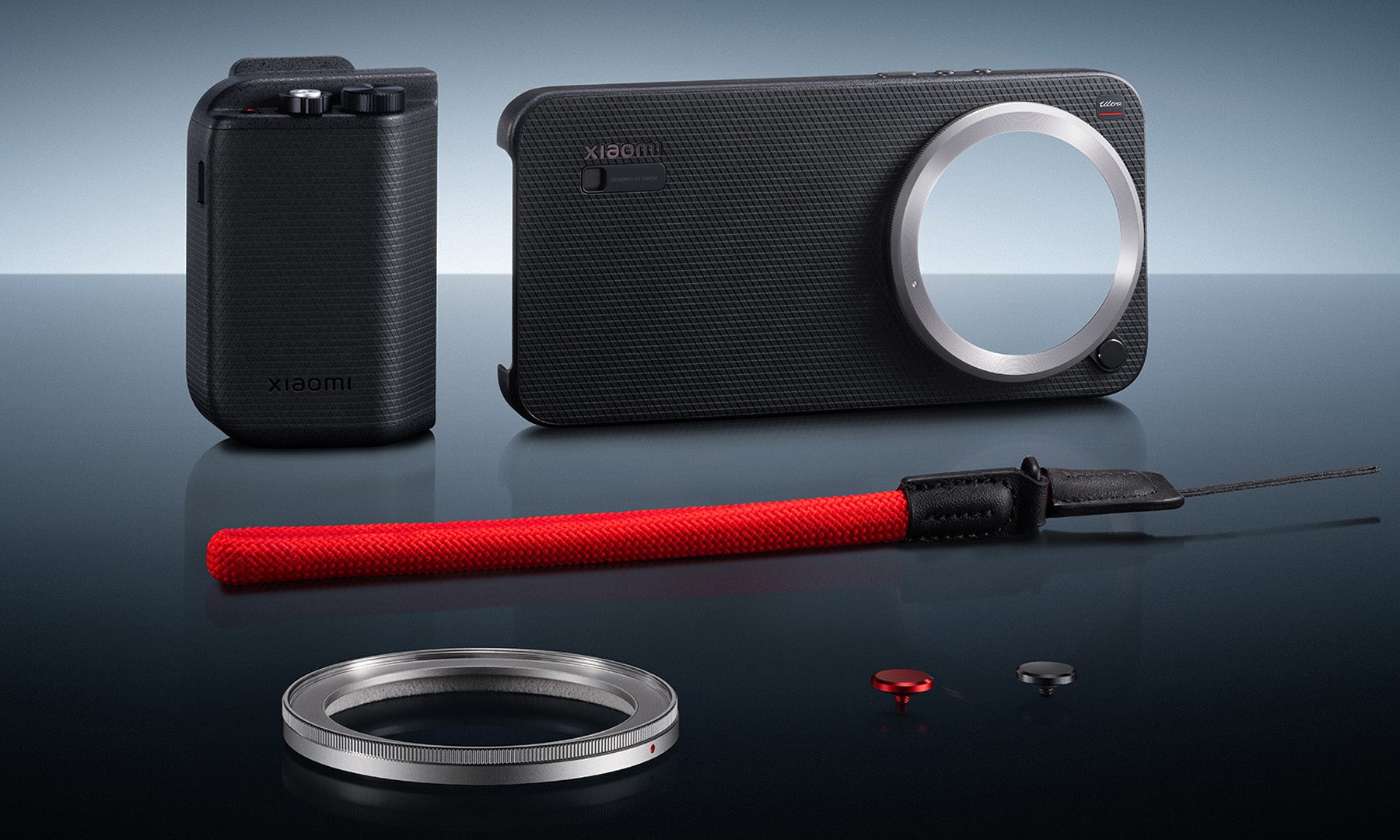
There’s even a USB-C passthrough, so it’s easy to charge both the phone and grip simultaneously. That said, I wish Xiaomi added data passthrough as well, enabling one to connect an external SSD while the grip is attached. Maybe in future iterations, they could also add a microSD card slot to this, or better yet, a full-sized SD card slot to appeal to the photographers out there.
Selfie Cam… Exists
Now, all isn’t perfect here, and that brings me to the selfies. It’s… fine. Just fine.


HDR can be a bit inconsistent, colors often lean a little too punchy, and while there’s an attempt to smooth out skin textures, the result feels a bit off.


Of course, photography is subjective, but personally, this is one area where I’d still pick a Google Pixel any day. Even the iPhone does a solid job if you prefer softer-looking images, as you can see in the comparison shot above.
The Best Camera You Can’t (Officially) Buy?
So… is this the best camera phone right now? If photography is your priority, it’s honestly very hard to argue against it. The Xiaomi 17 Ultra brings together industry-leading hardware, genuinely thoughtful image processing, full RAW support for those who like to tweak every pixel, and smart AI tools that actually feel useful instead of gimmicky. And the best part? It’s not just a one-trick pony. Beyond the camera, you’re still getting a proper flagship experience with a top-tier chipset, a gorgeous display, and battery life that comfortably goes the distance.
But here’s the frustrating bit: you can’t officially buy it in the US. And that’s a real shame. Because if a phone like this were widely available, it would force the likes of Apple and Samsung to push their camera systems further, faster. The Xiaomi 17 Ultra isn’t trying to be the most balanced smartphone out there. Instead, it’s aiming to be the best camera you can carry in your pocket. And after spending time with it, it’s hard not to feel like the US market is seriously missing out.