


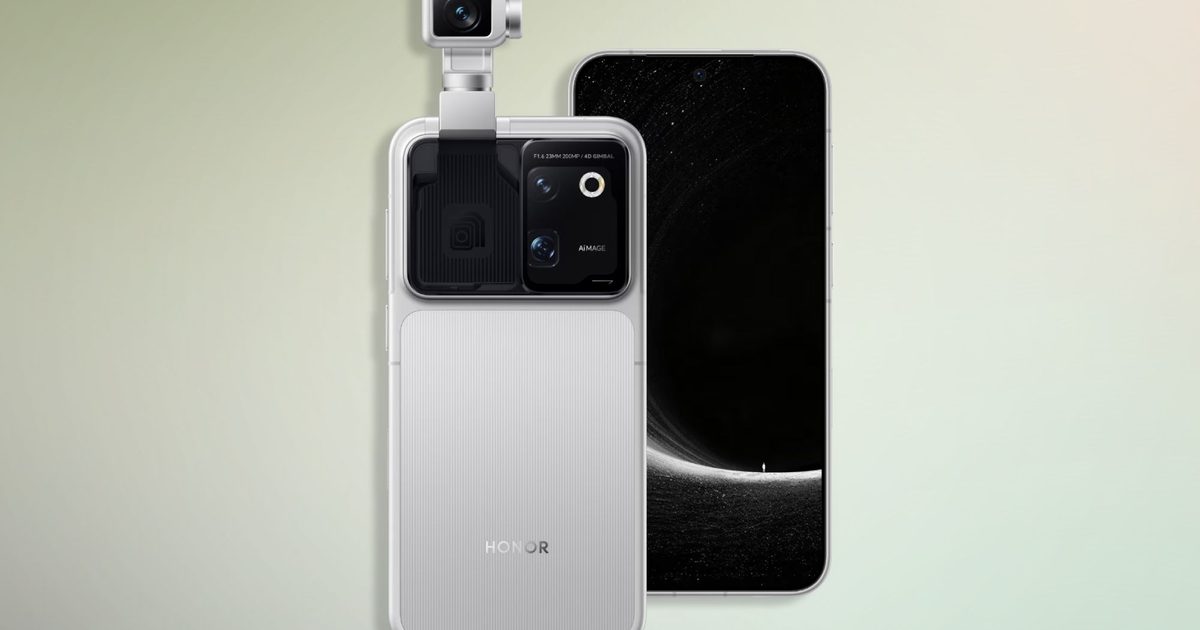
Honor first teased the Robot Phone in October last year with a video showing a robotic arm unfolding from the back of the phone. This January, we got an early look at a prototype at CES, although the gimbal arm wasn’t functional and had to be unfolded manually. Honor gave us a full look at the phone in March at MWC Barcelona, where it also announced a new imaging partnership with cinema camera company ARRI. The company later demonstrated the Robot Phone’s stabilized tracking shots at the Cannes Film Festival and the Shanghai International Film Festival.
Now, almost a year after the first teaser, the Robot Phone is finally making its way to users. However, most of you won’t be able to buy it.
The Robot Phone is up for pre-order, but only in China
Honor has launched the Robot Phone in China, and it’s available in two configurations. The base model, with 12GB of RAM and 512GB of storage, costs RMB 9,999 (~$1,480). Stepping up to 16GB of RAM and a full terabyte of storage brings the price to RMB 12,999 (~$1,930). Pre-orders are already live, with retail availability set to begin on August 18.
Honor hasn’t announced pricing, availability, or a launch date for other regions, despite maintaining a global product page for the device. It’s not clear if, or when, the company plans to bring the Robot Phone to more markets.
What you get for that price
While the pricing may seem steep, the Robot Phone more than makes up for it with flagship specs across the board. The device features a metal unibody design with a 6.31-inch LTPO OLED display that has a 1-120Hz refresh rate, 6,800 nits of peak brightness, 4,320Hz PWM dimming, and Honor NanoCrystal shield protection. On the inside, it packs Qualcomm’s Snapdragon 8 Elite Gen 5 SoC, paired with a custom cooling system, up to 16GB of RAM, up to 1TB of storage, and a 7,060mAh battery with 120W wired and 50W wireless fast charging support.
On top of all that, the device features a 200MP f/1.6 main camera with a 1/1.28-inch sensor mounted on the robotic arm. The gimbal relies on a 2.6g motor capable of movement speeds up to 360 degrees per second, and Honor says the mechanism uses more than 100 patented components. The company claims the assembly is 65 percent smaller than a standard gimbal, yet 200 percent stronger structurally. Movement modes include Tilt Lock, First Person View, FPV Vertical, and AI SpinShot.
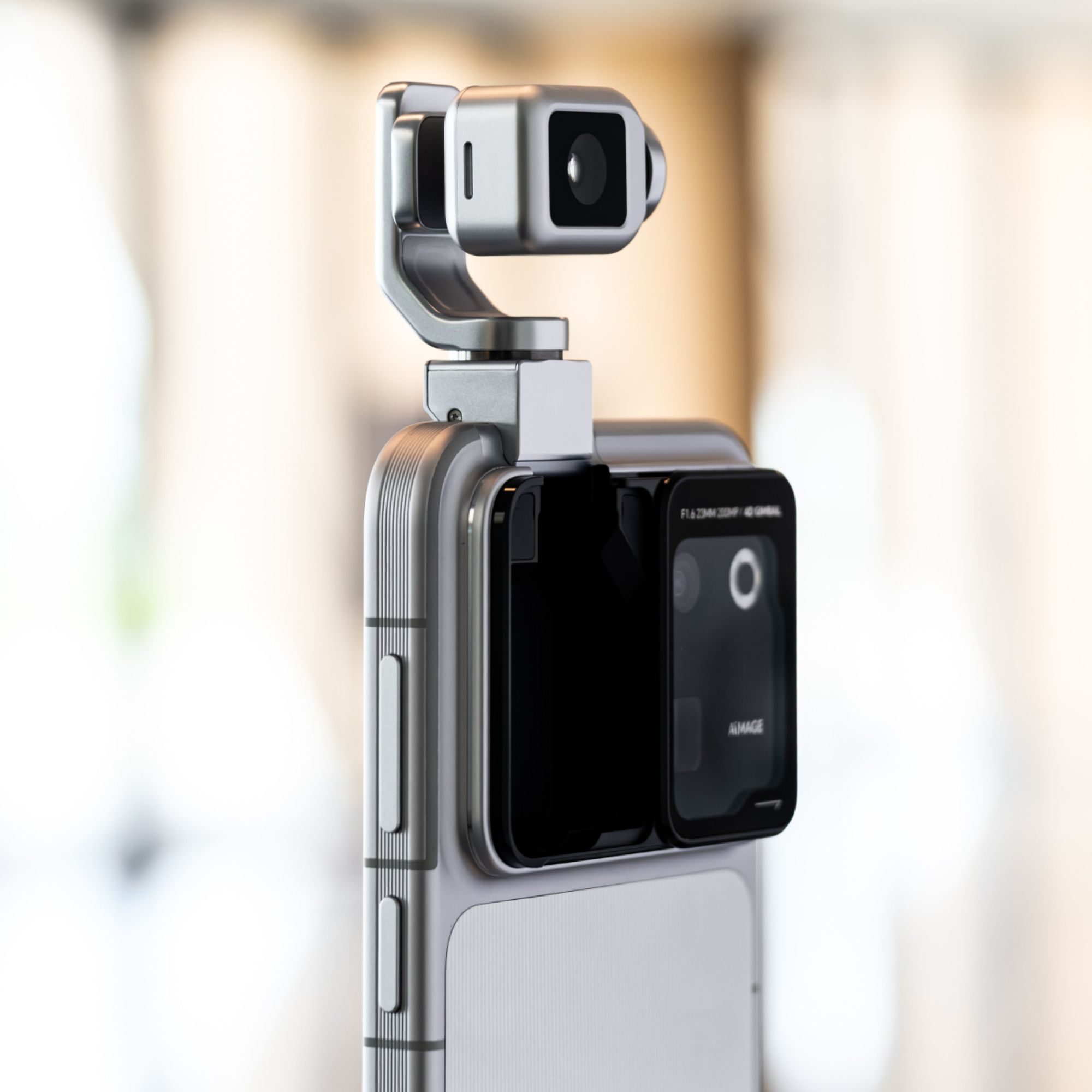
The gimbal camera is paired with a second 200MP 2.7x optical zoom telephoto camera with a 1/1.4-inch sensor and a 50MP ultra-wide camera with a 122-degree field of view, both of which are housed within the rectangular camera island on the back. To handle image processing, Honor built a new H1 Image Chip in partnership with ARRI, which supports 10-bit ARRI LogC3 recording in ARRI CINEMA mode, along with ARRI Wide Gamut 3 color and real-time ARRI Looks previews.
The Robot Phone also features AI Subject Tracking and voice source localization, which allows the camera to follow a speaker automatically during a vlog, livestream, or video call. And the device has gesture controls that let users deploy the gimbal hands-free.
Whether the gimbal proves to be more than a gimmick will take real hands-on testing to answer, but the imaging work behind it isn’t staying exclusive to this one device. Honor has confirmed the technology developed through its ARRI partnership will carry into its upcoming Magic 9 series, even if the robotic arm doesn’t come along with it.