


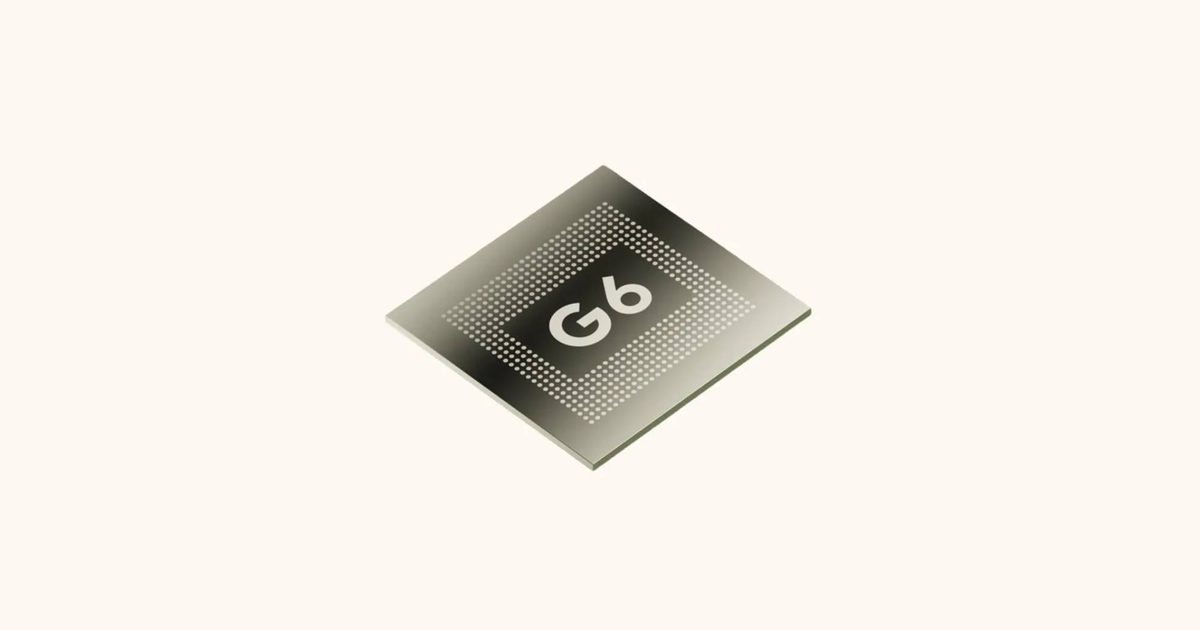
On the surface, the new Pixel 11 series may seem like an iterative refresh, but the devices bring one big change under the hood. All four models pack Google’s new Tensor G6 chip, which is designed to make the latest generation of Pixels faster, more efficient, and better at handling the AI features that define the lineup.
Faster, smarter, and more efficient
Google says the Tensor G6 delivers up to 25% faster browsing and 15% faster app loads compared to last year’s Tensor G5. The chip pairs an upgraded Image Signal Processor with a new TPU that Google says is 50% more powerful than the previous generation, enabling features like the 120x Pro Zoom and Instant Night Sight on the Pro models. The latter, Google says, allows users to capture low-light shots up to 4.5 times faster.
That same TPU also drives Gemini Nano, Google’s on-device AI model, which the company says now runs with higher quality and lower latency. Google has not yet confirmed the chip’s manufacturing process and core configuration. We’ll update this post once those architecture details become available.
More secure and future-ready
The Tensor G6 works alongside a new Titan M3 security coprocessor built for post-quantum cryptography, which Google describes as protection against “emerging, highly advanced digital attacks.” The company adds that Titan M3 has earned Common Criteria certification at the same level that’s used for SIM and bank cards. The chip also handles quantum-safe secure boot and runs Trusty, Google’s Trusted Execution Environment, on all four phones.
These upgrades make the Tensor G6 Google’s most capable custom silicon so far. While it still may not dominate benchmarks against the latest chips from Qualcomm or Apple, the performance and efficiency gains should translate into a smoother Pixel experience. How that plays out in real-world use remains to be seen.