




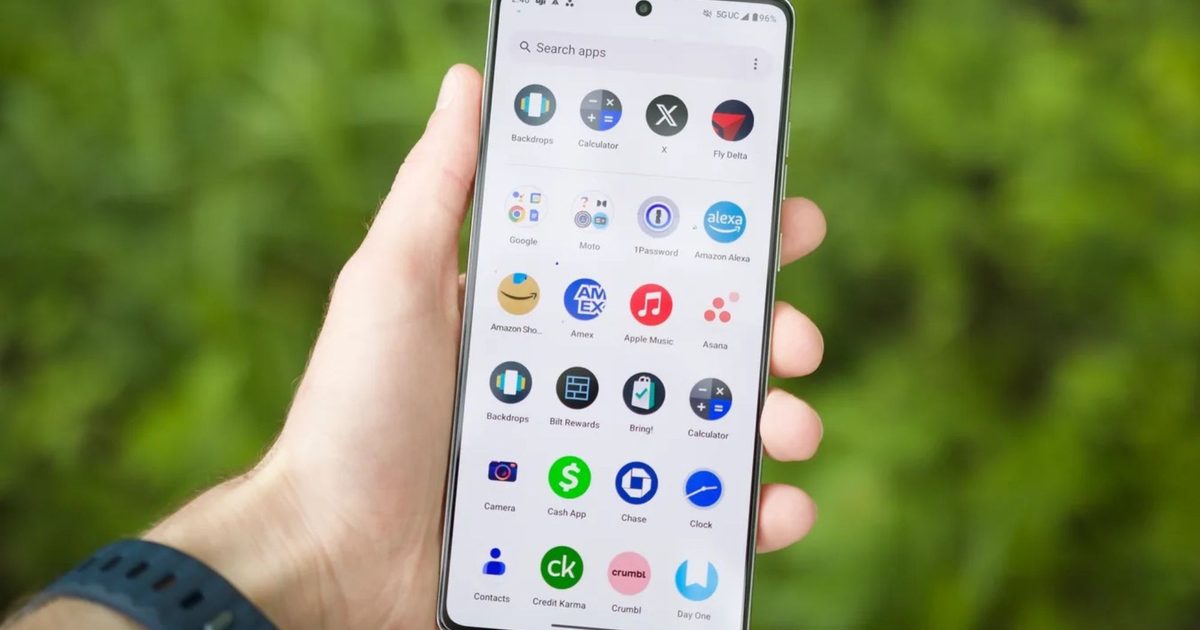
RAM is getting expensive, and Google isn’t waiting around to see how bad it gets. The company has announced new memory rules for Android apps distributed through the Play Store, and developers now have a hard deadline to clean up their code. As prices climb, people are opting for devices with leaner specs, and apps that use too much memory are hurting the overall experience for everyone.
What’s changing for app developers?
Starting in February 2027, apps must meet new memory thresholds across three areas.
- Dynamic memory usage tracks how much private data storage an app consumes while running or sitting in the background.
- Bitmap memory covers how much space images and graphics take up, since apps shouldn’t hold onto that memory when they’re not actively visible.
- DEX code optimization shrinks an app’s code, so it runs faster and uses less memory overall.
Google is rolling out new tools in the Play Console to help developers catch bloated code early. Apps that exceed these limits won’t be banned, but they’ll face reduced visibility and fewer publishing capabilities on the Play Store.
A side benefit for anyone switching phones
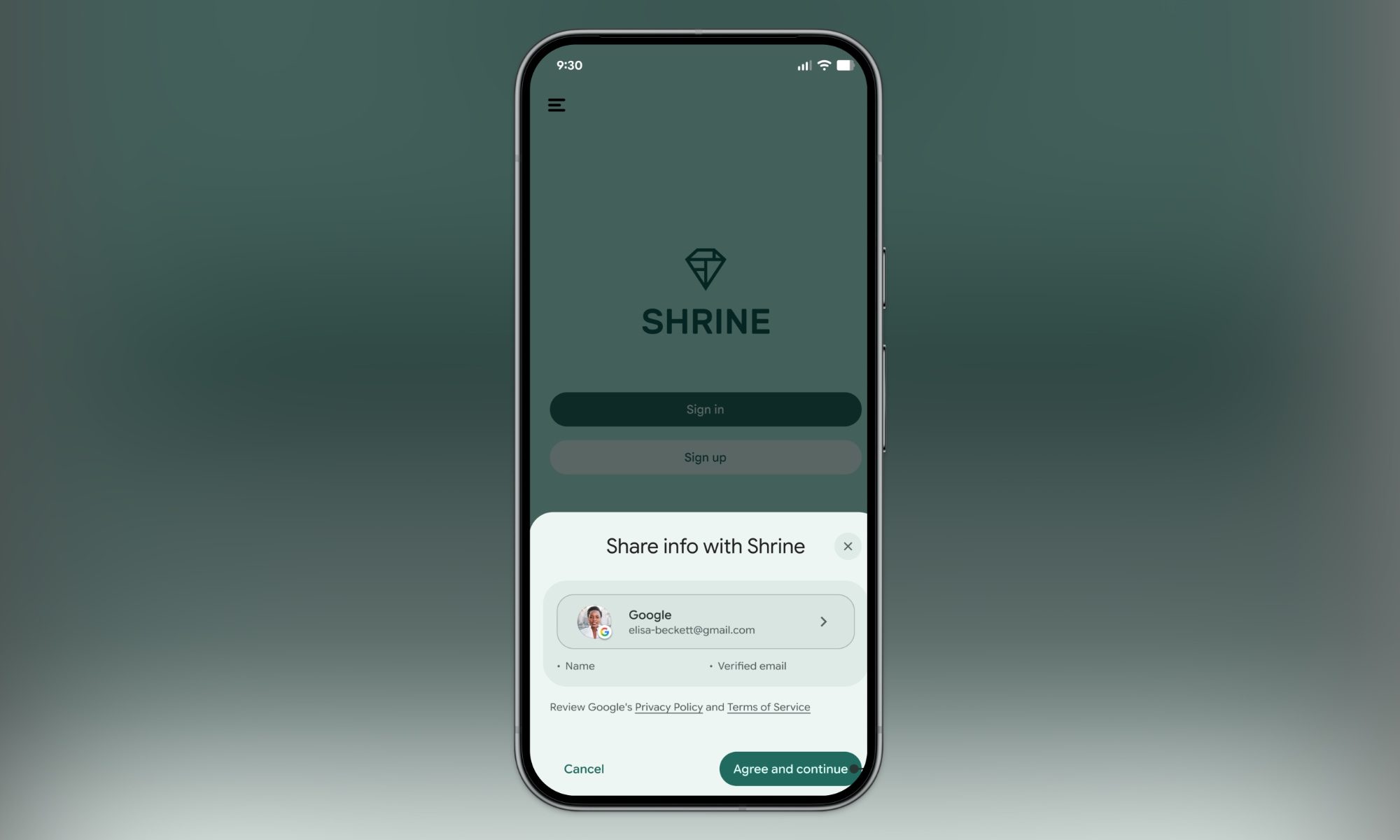
Buried in this same announcement is a useful upgrade for users who switch phones. Zero-Tap Sign-In, which requires apps to automatically restore your login when you move to a new Android device. So you won’t have to re-enter passwords for every app after an upgrade.
The rule kicks in by April 2027, and while games are exempt for now, Google says dedicated guidance for game sign-ins is coming sometime in 2027. It’s worth noting that Google itself already trimmed RAM on its Pixel 11 Pro lineup, dropping from 16GB to 12GB, a sign of how serious this shortage has become industrywide.
Meanwhile, Android users have another win to look forward to. Android 17 is rolling out a new privacy feature that will finally stop ISPs from tracking which websites and apps you visit, closing a gap that’s existed since the early days of encrypted browsing.