



Author: News Room

RPG publisher Square Enix has been doing the Lord’s work lately by rescuing their discontinued mobile games and rehydrating them into full-fat RPG experiences. Last year’s Octopath Traveler 0 is one such triumph, and it’s safe to say Final Fantasy Resonance is another victory for reusing assets instead of throwing them in the garbage. More importantly, it’s a great RPG experience with a fun cast and character customization options that will make fans of the Final Fantasy V job system rabid with delight. Resonance is based on the first season of the now-defunct Final Fantasy Brave Exvius mobile game, which ran…

Originating as a tech demo for the Wii’s motion controls, Nintendo’s Sports series has always found novel and intuitive ways to emulate various athletic endeavors with motion-based video game controllers. Like its predecessors, Switch Sports Resort is a compilation of sports-based minigames built around approachability. Though rightfully known for its enticing multiplayer options, Switch Sports Resort adds new single-player objectives and modes to offer a well-rounded experience for all player counts, making it perhaps the strongest entry in the series to date.Switch Sports Resort delivers 12 main events to choose from, each with distinct controls, strategies, and rules. Mainstays like…
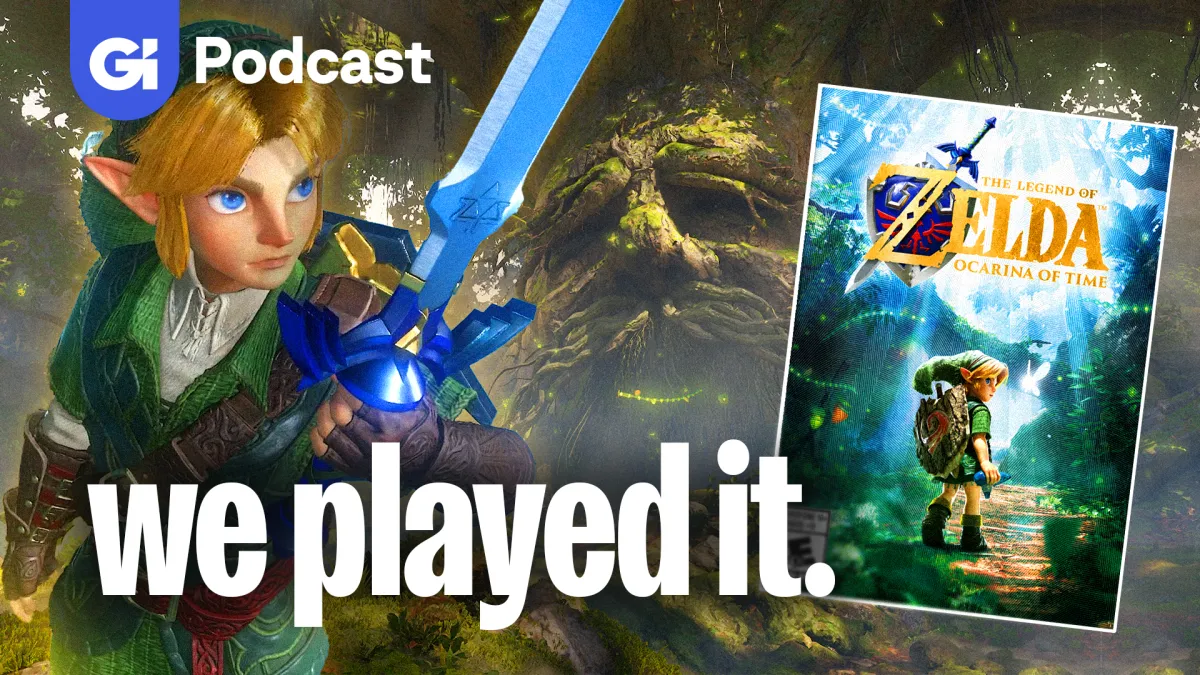
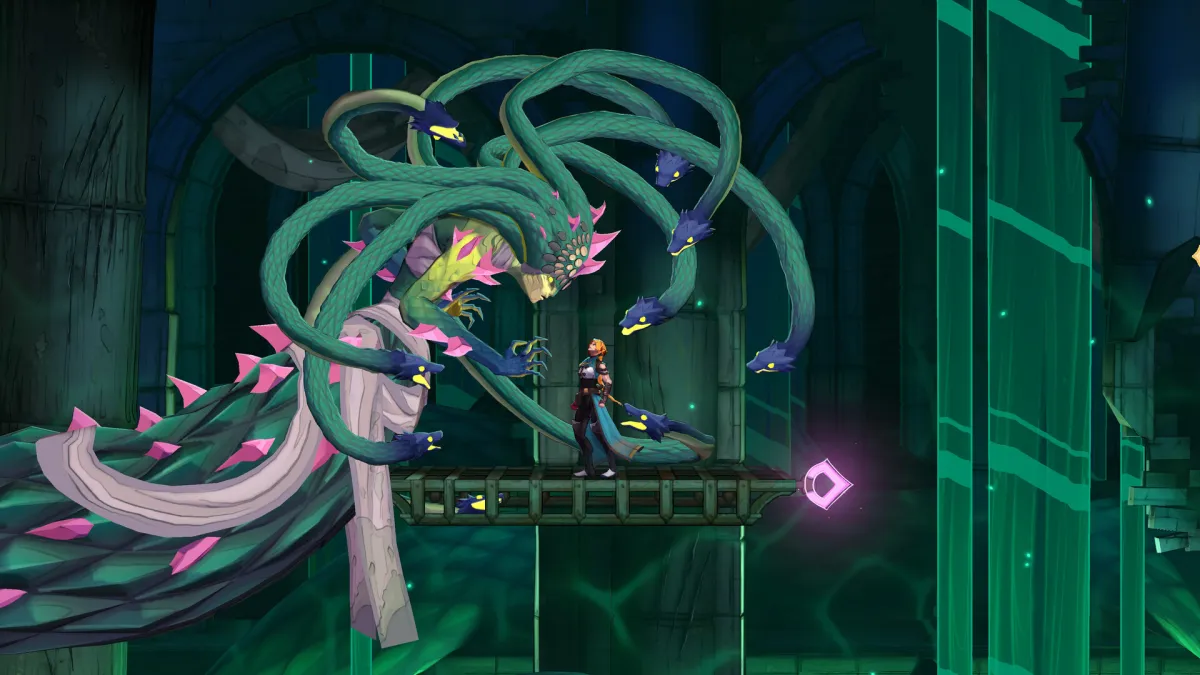
It’s a new week on The Game Informer Show, and we’ve got a ton of games to get into! First, Brian is here to report back on his hands-on impressions of The Legend of Zelda: Ocarina of Time remake.After the break, Charles and Wes hop on to discuss their reviews of Castlevania: Belmont’s Curse and Valor Mortis, and we also briefly get into Dressmaker and the new Lego Batman DLC before answering some listener questions.The Game Informer Show is a weekly podcast covering the video game industry. Join us every Friday for chats about video game reviews, news, and exclusive…
Just Dance is an frequent tradition in my household. We don’t play it every year, but I was eager to check out Decades of Hits because of its included soundtrack. Just Dance generally leans on contemporary music and as a dad facing down his forties (who is still very cool, right? Right?!) I appreciate the chance to learn about recent pop hits and make a fool of myself in front of my family, but I like how musically diverse this entry is.You have Sabrina Carpenter, Chappell Roan, and Olivia Rodrigo songs (which I adore), but you also get ABBA, Spice…
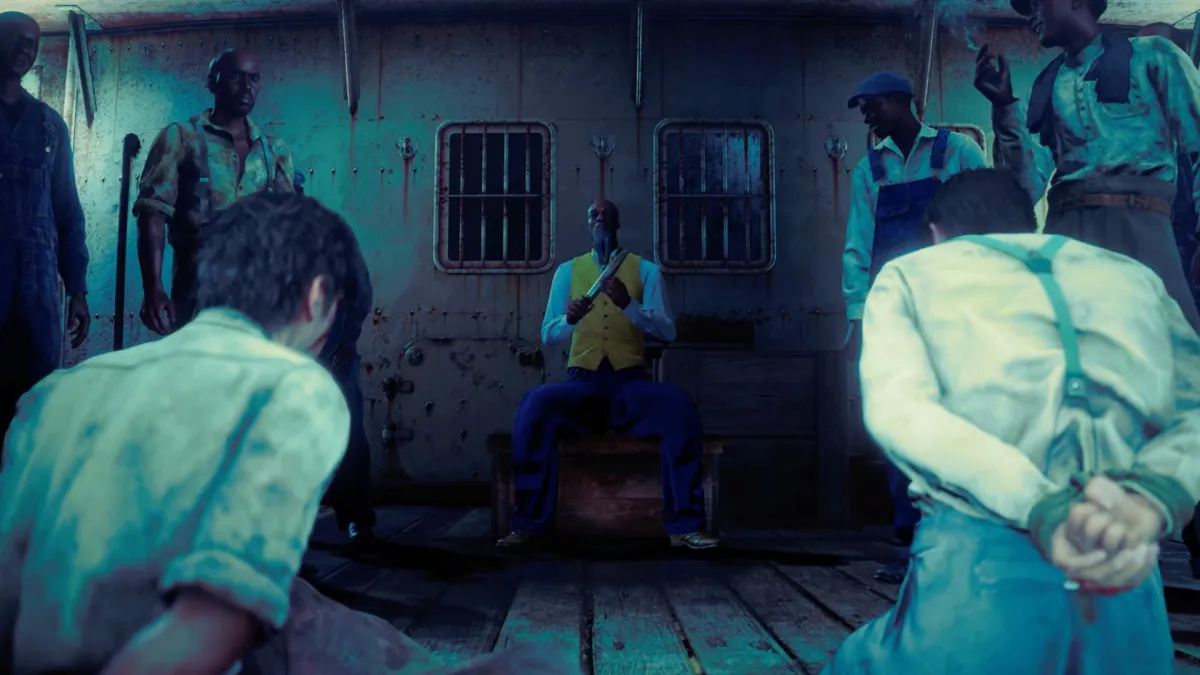
Yakuza/Like a Dragon developer Ryu Ga Gotoku Studios is releasing its quasi-prequel game, Stranger Than Heaven, in January, and ahead of its release, the team has been pulling back the curtain on protagonist Makoto Daito’s decades-spanning adventure through Japan. A new story trailer RGG released today shows Makoto arriving in Japan and seemingly learning to rap, courtesy of Snoop Dogg’s Orpheus. Titled “Act 1: Kokura Story Trailer,” this new Stranger Than Heaven teases how Makoto traveled to Japan to learn English and work before deciding he wants to go to Japan. He ends up on a large ship and begs Orpheus…
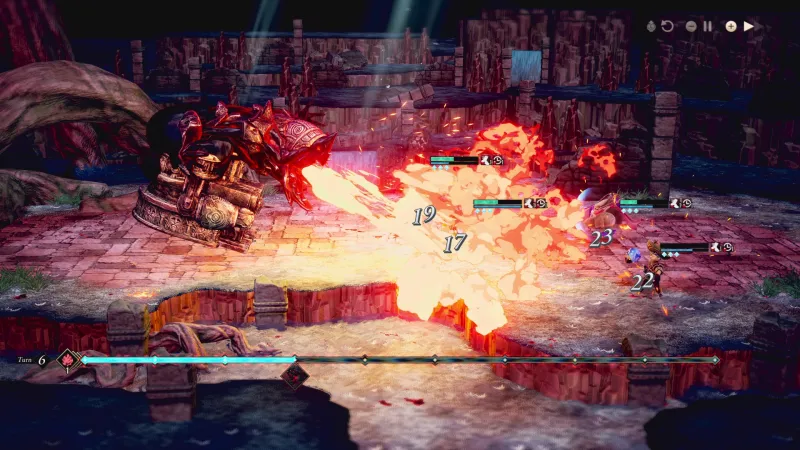
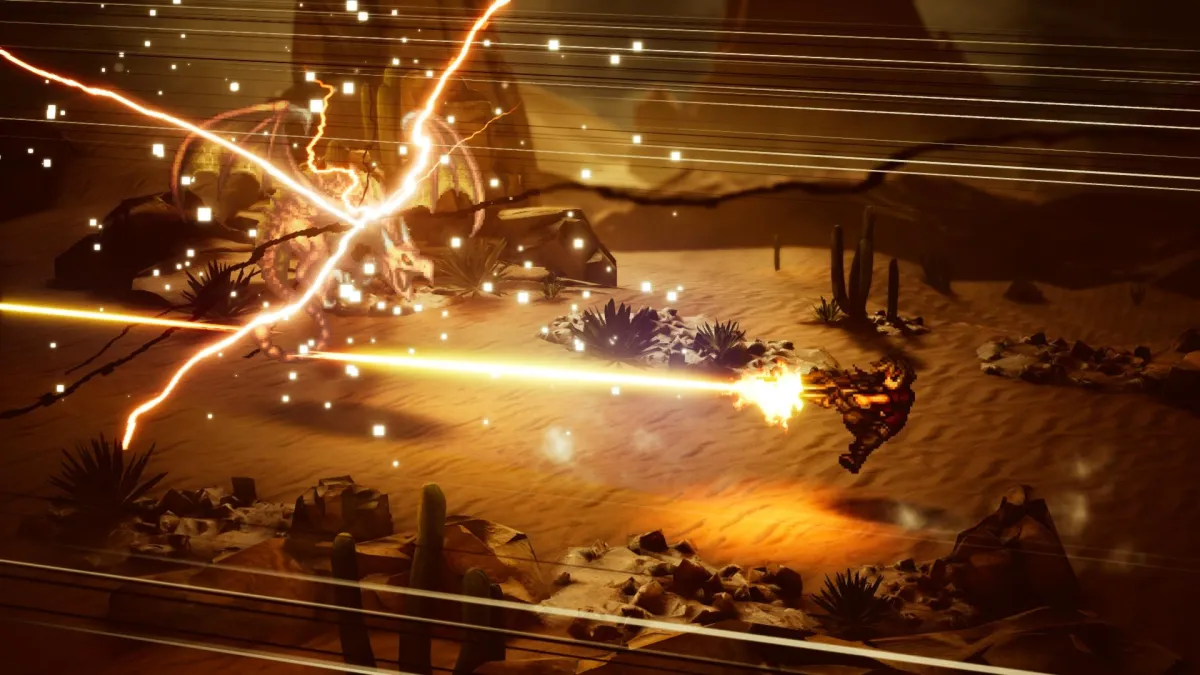
Eternal Anima is the time-twisting RPG revealed during the big September Nintendo Direct that looked like a Square Enix HD-2D game but isn’t. It is also the game with the “Never Strive For A Better Tomorrow” splash screen. After playing the game for roughly an hour within developer Marvelous Inc.’s Tokyo office, I eschew that line – I will, in fact, strive for a better tomorrow, if only so I can play more Eternal Anima one day. The world has essentially come to its final act in Eternal Anima. Urvis Ael is the last remaining bastion of civilization in a flooded…

I’ve been tracking Nekome: Nazi Hunter here at Game Informer since its reveal earlier this year. I finally went hands-on with it during Gamescom 2026 and relished just how disrespectfully brutal it is to Nazis. You will soon get the chance to experience that brutality yourself because developer ProbablyMonsters is releasing a demo on Steam soon on October 19, and it will be available through October 26. Ahead of that demo launch, ProbablyMonsters also released a new trailer highlighting the game’s narrative and villainous Hyena troupe of Nazi leaders as part of today’s Galaxies Autumn Showcase. These Hyenas are at the…
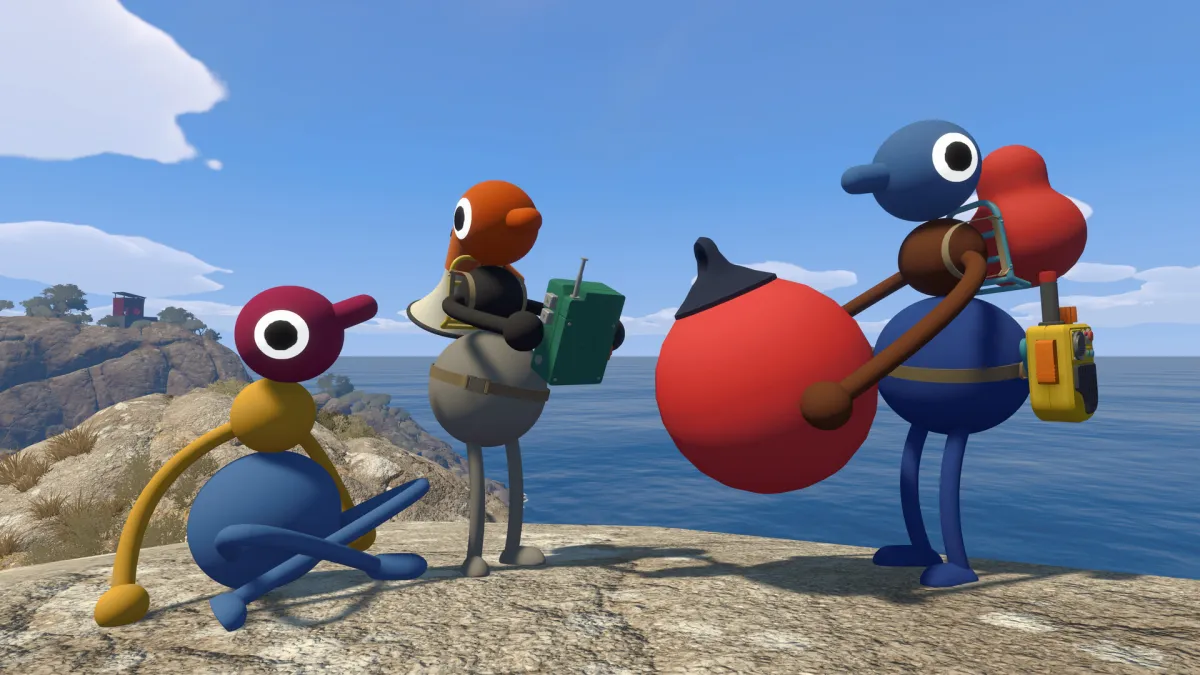
Untitled Goose Game developer House House launched Big Walk, its multiplayer cooperative puzzle-adventure game, on PlayStation 5, Nintendo Switch 2, PC, and Mac in August to critical acclaim. Since then, players have asked the studio to release the game on Xbox Series X/S, the only console absent from its launch lineup. Today, House House released an explanation stating that Big Walk is not on Xbox in accordance with the Palestinian-led BDS boycott against Microsoft.”We have made the decision not to release Big Walk on Xbox, in accordance with the Palestinian-led BDS (Boycott, Divestment, Sanctions) movement call to boycott Microsoft, and…
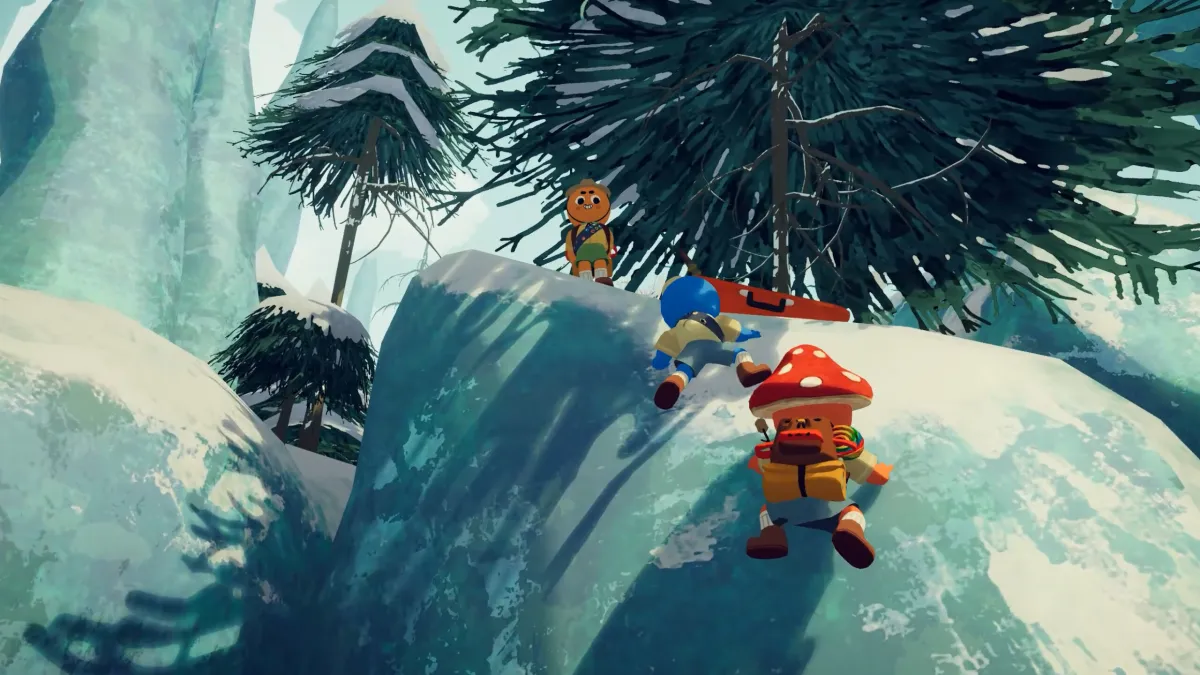
There’s a lot of debate about the term “friendslop” these days, but regardless of how you feel, it’s clear most players of these games call them that affectionately. Perhaps the most successful friendslop game is Peak, which hit critical mass amongst friend groups, Discords, Twitch streams, and more after its June launch last year. Now, it’s set to reach new friend groups as Peak launches on PlayStation 5, Xbox Series X/S, and Nintendo Switch 2 next week. More specifically, developers Aggro Crab and Landfall will release Peak on PS5 on October 22. The console versions of Peak will include “all content…

Developer Strange Scaffold, the studio behind games like I Am Your Beast and TMNT: Tactical Takedown, has released a new trailer for El Paso, Elsewhere 2, highlighting the game’s third-person vampire-shooter action. Plus, you can play the game today thanks to a new demo on Steam. This sequel is the follow-up to 2023’s breakout El Paso, Elsewhere (which is also getting a TV adaptation – thanks, GameSpot), and brings back protagonist James Savage as he continues his journey across the United States to kill monsters like gargoyles, possessed animatronics, vampires, and more, and seal away these evil forces. Strange Scaffold says…