



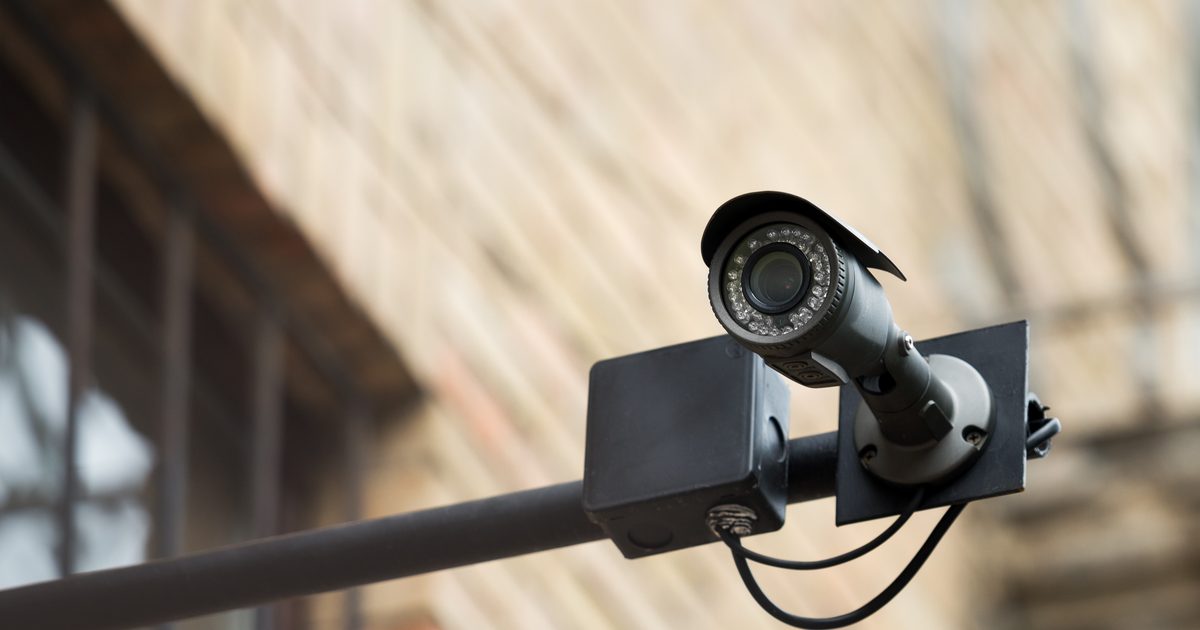
Security cameras are built to look for faces. New research suggests they may soon have another target, the small habits buried in the way someone walks.
A paper published in the International Journal of Reasoning-based Intelligent Systems describes SKDMap-Net as a gait recognition system designed to identify people from walking video, even when the camera doesn’t get a clean look at their face. Instead of relying on a close-up scan, it studies how a body moves from frame to frame.
That’s useful and uncomfortable in equal measure. If someone is far away, turned sideways, or partly hidden, their walk may still be enough for an identity check. The model reached 95.8% accuracy on one major gait dataset and 83.7% Rank-1 accuracy on a harder real-world dataset.
Why a walk can travel farther
Faces, fingerprints, and irises all hit the same practical wall. They need a close, clear capture, which is exactly what many security cameras don’t get.
Walking gives the system more room to work. A camera doesn’t need someone standing still under perfect lighting. It can study movement patterns shaped by stride, timing, and limb motion.
That is why gait recognition keeps showing up in security research. It gives long-range cameras another identity signal when a face is blurry, angled away, or too small to trust.
How the AI reads motion
SKDMap-Net doesn’t treat walking as a flat outline. Multiple factors like a bad camera angle can make that outline messy fast.
Instead, the system breaks the body into moving points and tracks how those points behave over time. It studies how joints bend, how quickly they rotate, and how that rhythm changes during a walk.

That helps when the view gets worse. If the lower body is blocked, the model can put more weight on upper-body movement instead of guessing from missing legs. It’s watching motion, not shape alone.
Where privacy gets awkward
There is a cleaner version of this future where cameras process skeletal data instead of storing raw video. That could reduce how much identifiable footage moves through a security system.
It doesn’t make the idea harmless. Gait is still a behavioral biometric, which means a walking pattern can be used to re-identify someone even when a face is removed.
Better long-range security checks could also make public movement easier to track. The tech needs strict rules around storage, access, and deployment before “walk normal” becomes terrible privacy advice.