





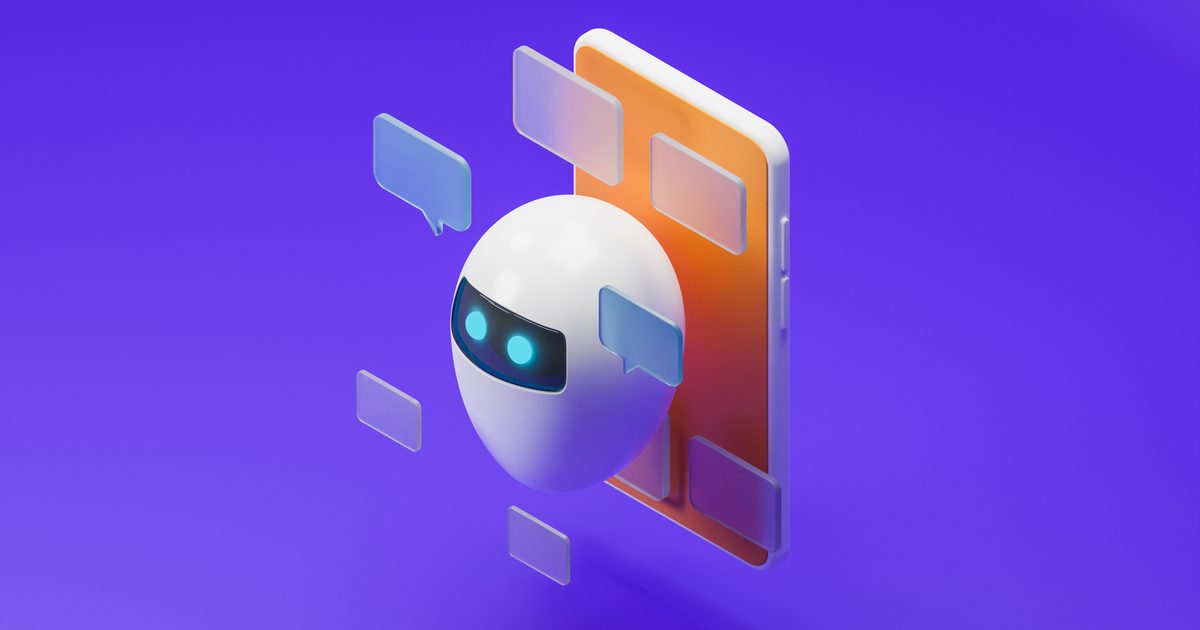
If you have ever tried to book a hotel online and found yourself unsettled by the AI chatbot trying to help you, science has your back. New study from Texas A&M College of Agriculture and Life Sciences confirms that hotel booking chatbots are genuinely creeping people out, and it is actually hurting bookings.
What is giving hotel chatbots their creep factor?
Researchers surveyed 340 adults in the UK who had used chatbots to book hotels and found three main culprits behind the ick factor: inaccuracy, deceptive behavior, and intrusiveness. Inaccuracy was by far the biggest offender, triggering a negative response more than four times stronger than the other flaws.
It results in quoting incorrect rates for the rooms, bungled cancellation policies, or questions that just get dodged entirely. That discomfort is not just a vibe. It cut users’ willingness to keep chatting with the bot by nearly 38% and nearly doubled the chances they would delay or ditch the booking altogether.
Researchers also flagged something called the “uncanny valley” effect, where a chatbot’s failures feel even creepier the harder it tries to sound human. Lead researcher Babak Taheri summed it up perfectly, saying that when a human-like system fails to actually behave like one, it triggers something deeper than disappointment in users.
There is a simple fix that hotels mostly ignore


The good news is that the researchers found a simple solution that most hotels are not using. When a chatbot declares it’s an AI, users are far more forgiving of its mistakes. A simple opener like “Hi, I am your AI assistant” goes a long way.
Researchers also recommend making it easier to reach a real human for complex queries and invest in upgrading the AI itself so it can actually handle the basics without fumbling.
This research lands at a fascinating moment, because AI travel booking is the hottest thing in tech right now. Google recently added AI trip planning to Search, and Uber just launched hotel booking through Expedia inside its app.
