



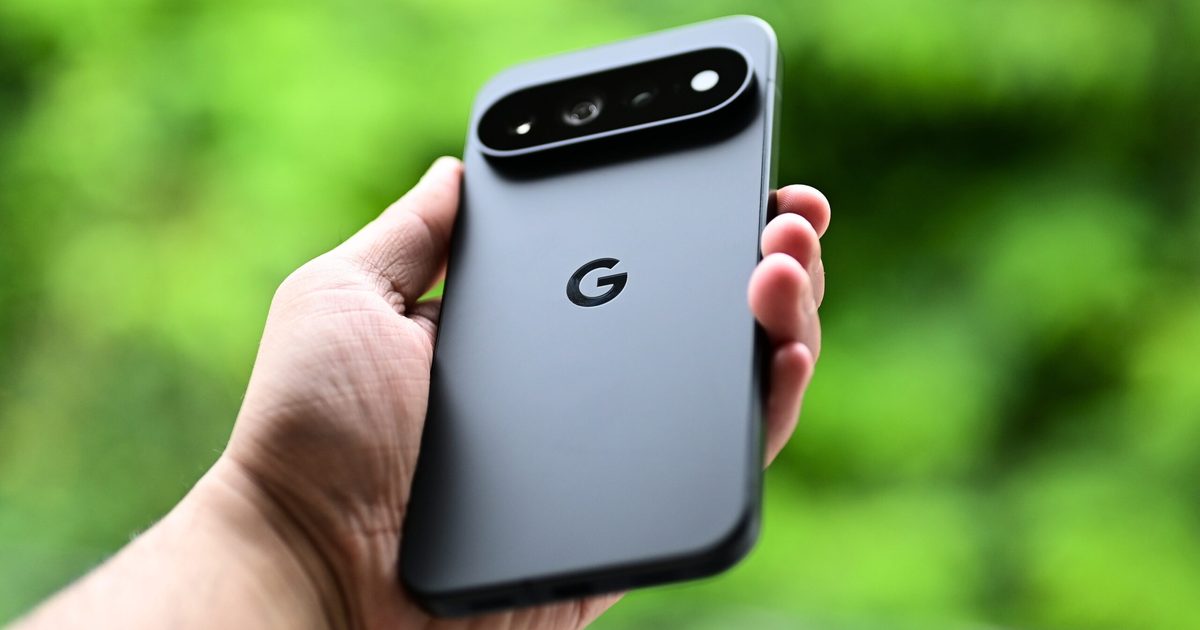
I’ve spent some time with the Pixel 11 Pro XL, and out of all the aspects Google talked about at the launch event, including the new Magic Capture feature, the RGB HiLight module on the back, and Gemini Intelligence, I was concerned about one that didn’t get much stage time: battery life.
Google actually cut the physical battery capacity this year, from 5,200mAh to 5,115mAh. And if there’s one thing AI can’t magically make up for, it’s the physical limits of a battery. Yes, manufacturers have increasingly aggressive AI-based battery management systems that squeeze more runtime from the same cell, but physical battery capacity remains an important benchmark in the Android world, something I can’t quite say about iPhones.
So, I stepped into the Pixel 11 Pro XL experience with a simple yet important question: how long does Google’s most expensive flagship last between charges? Let’s just say that after 72 hours of usage, I’m surely not impressed, a tad concerned, and equally hopeful.
So, how does the Pixel 11 Pro XL actually hold up?
On its first day, when I charged the handset to 100% for the first time, it logged just 4 hours and 24 minutes of screen-on time before I plugged it in at 15% battery. That shocked me, but after I expanded the battery usage graph, I realized something: the phone’s own battery log went blank for roughly four hours, which is a known Android quirk.
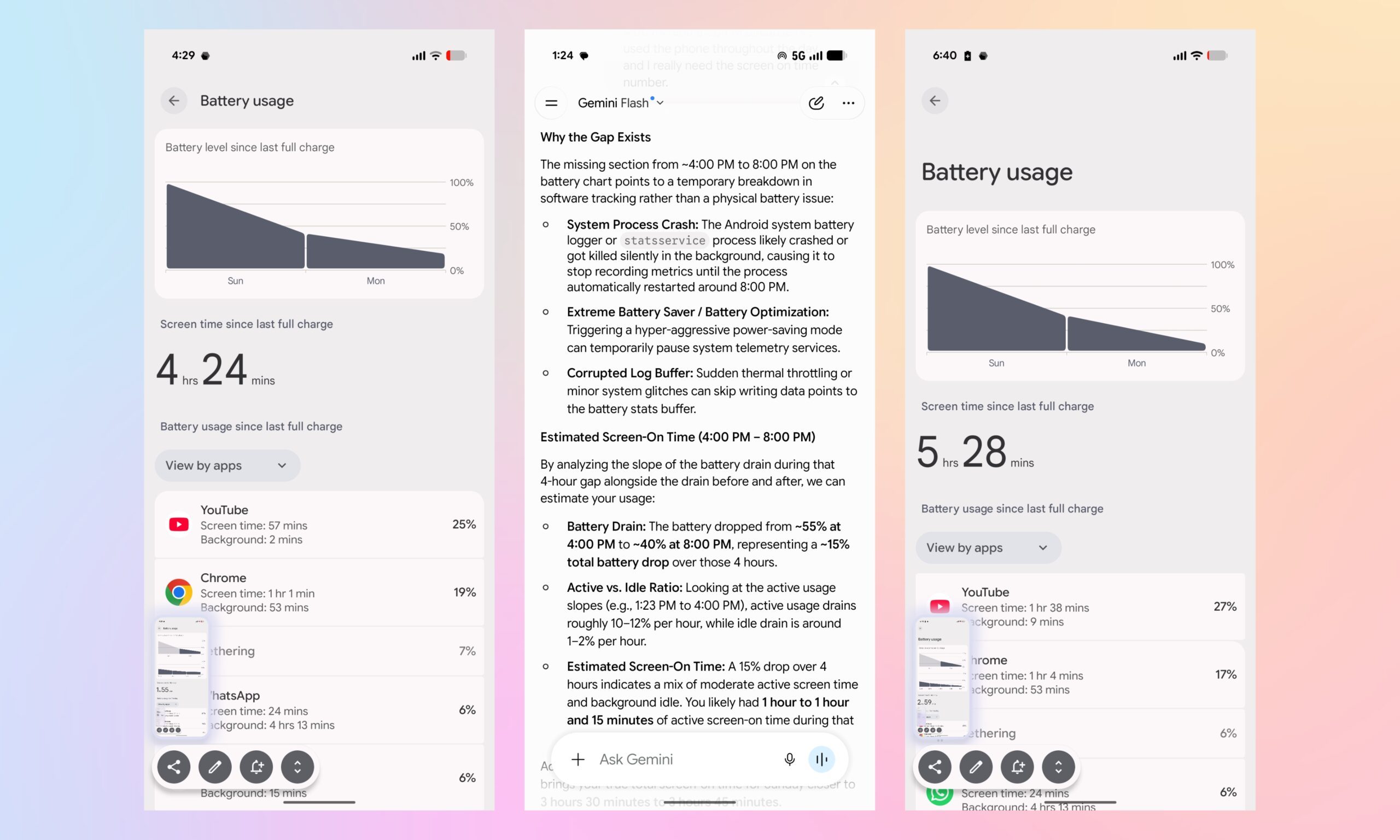
I didn’t want to look past the numbers, so I asked Gemini’s new Device Help tool to estimate the missing screen-on time based on the drain rate. Its answer: somewhere between 1 hour and 1 hour 15 minutes of additional screen-on time. Adding that to the logged time, I got somewhere around 5 hours 30 minutes to 5 hours 45 minutes of total screen-on time.
Day two wasn’t meaningfully better either. Per Google’s own system service tracker, I got around 5 hours and 28 minutes of screen-on time before the battery dropped back into the red zone, this time into the upper single digits. On the third day, I saw an improvement of 10 to 15 minutes, but the overall screen-on time still remains under 6 hours.
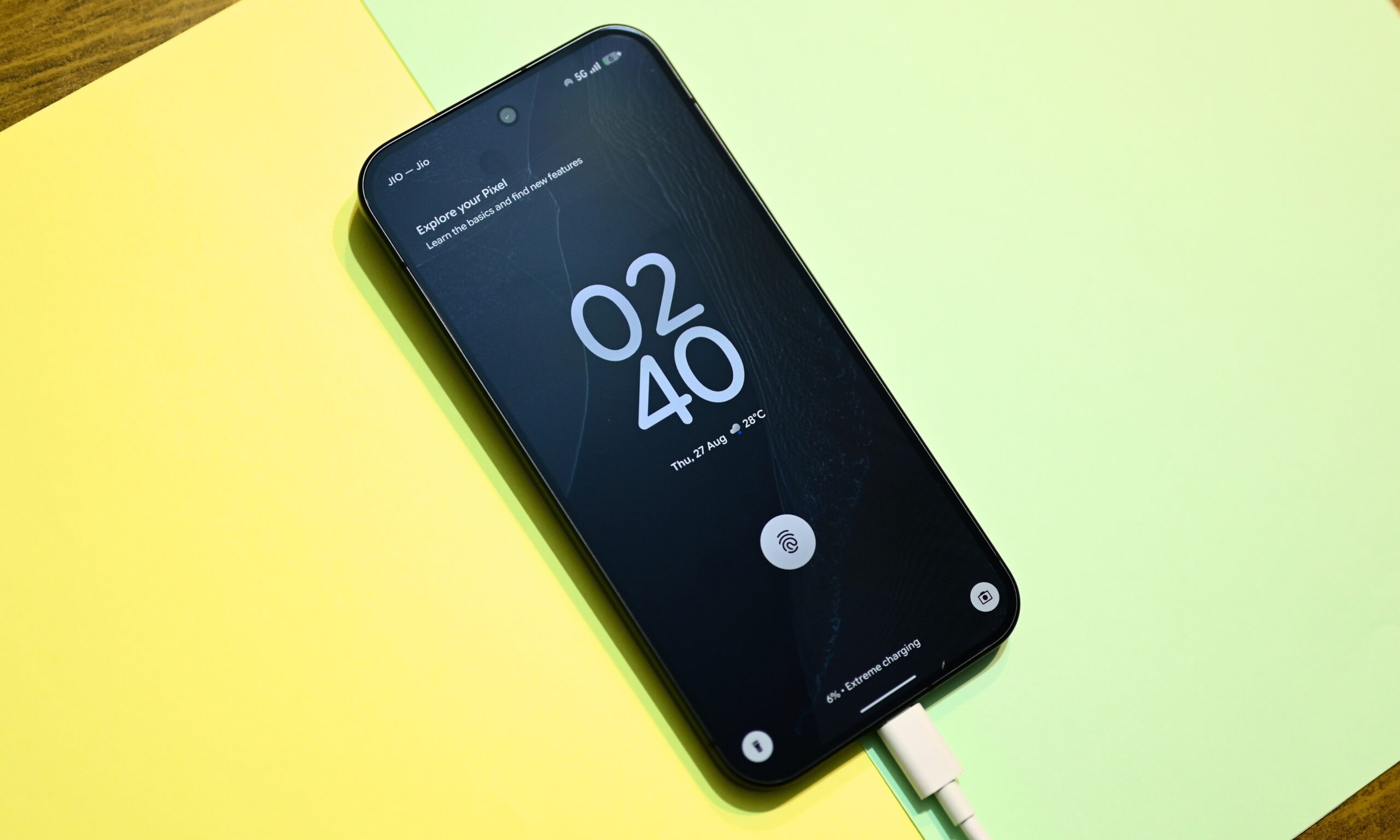
Before you point it out, this is with a 5G SIM installed, mixed usage between cellular and Wi-Fi networks, and location services enabled.
Here’s why that’s bothering me
Google claims that the chipset is up to 20% more power efficient than the Tensor G5 on the Pixel 10 series. Given that both chips are built on TSMC’s 3nm manufacturing process, not the 2nm node some pre-launch leaks suggested, that’s not an insignificant claim to make, which makes my early battery results all the more difficult to reconcile with it.
If the newer chip genuinely sips less power, I shouldn’t be topping out around five and a half hours of light to mixed everyday usage, which includes browsing, messaging, watching the routine videos on YouTube, and capturing a few pictures here and there, nothing extreme. And this is when I haven’t even run the benchmark and gaming tests I’m supposed to add to the full review.
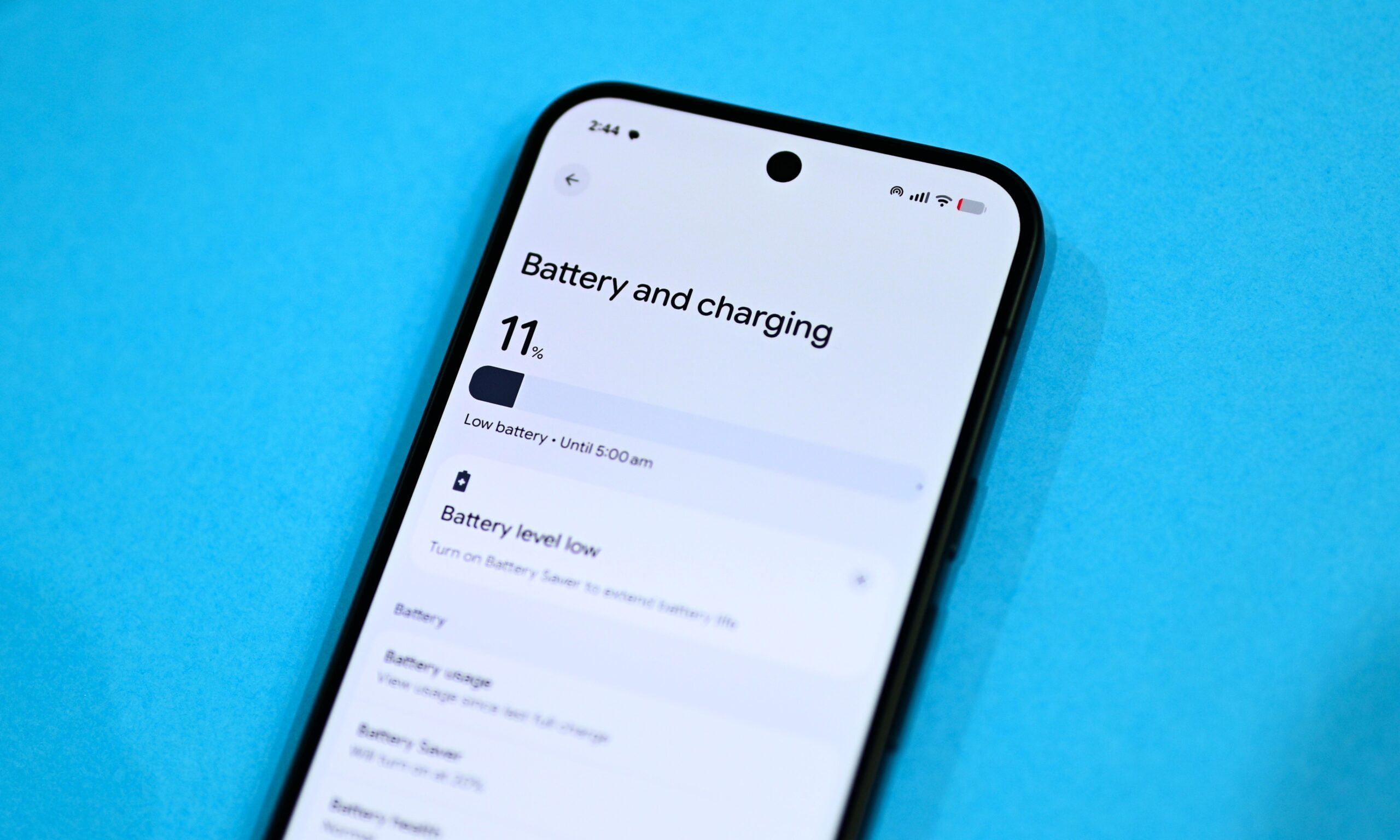
I consider this light usage, perhaps somewhere between light and moderate, but certainly not heavy usage. That’s why I expect a lot more than six hours of screen-on time from a top-tier Android flagship. On a phone this expensive, six hours shouldn’t feel like the ceiling for everyday use. Compare that with what’s available in the market in the same segment, and you’ll understand where I’m coming from.
And the competition isn’t helping Google’s case
Take the Galaxy S26 Ultra, for example. With the Snapdragon 8 Elite Gen 5 for Galaxy chipset and a 5,000mAh battery, the phone provides around 5 to 6 hours of screen-on time with heavy usage, which goes up to ~8 hours with light usage. The iPhone 17 Pro Max, Apple’s outgoing flagship, also provides 5 to 7 hours of screen-on time with heavy usage, up to ~9 hours with light usage.
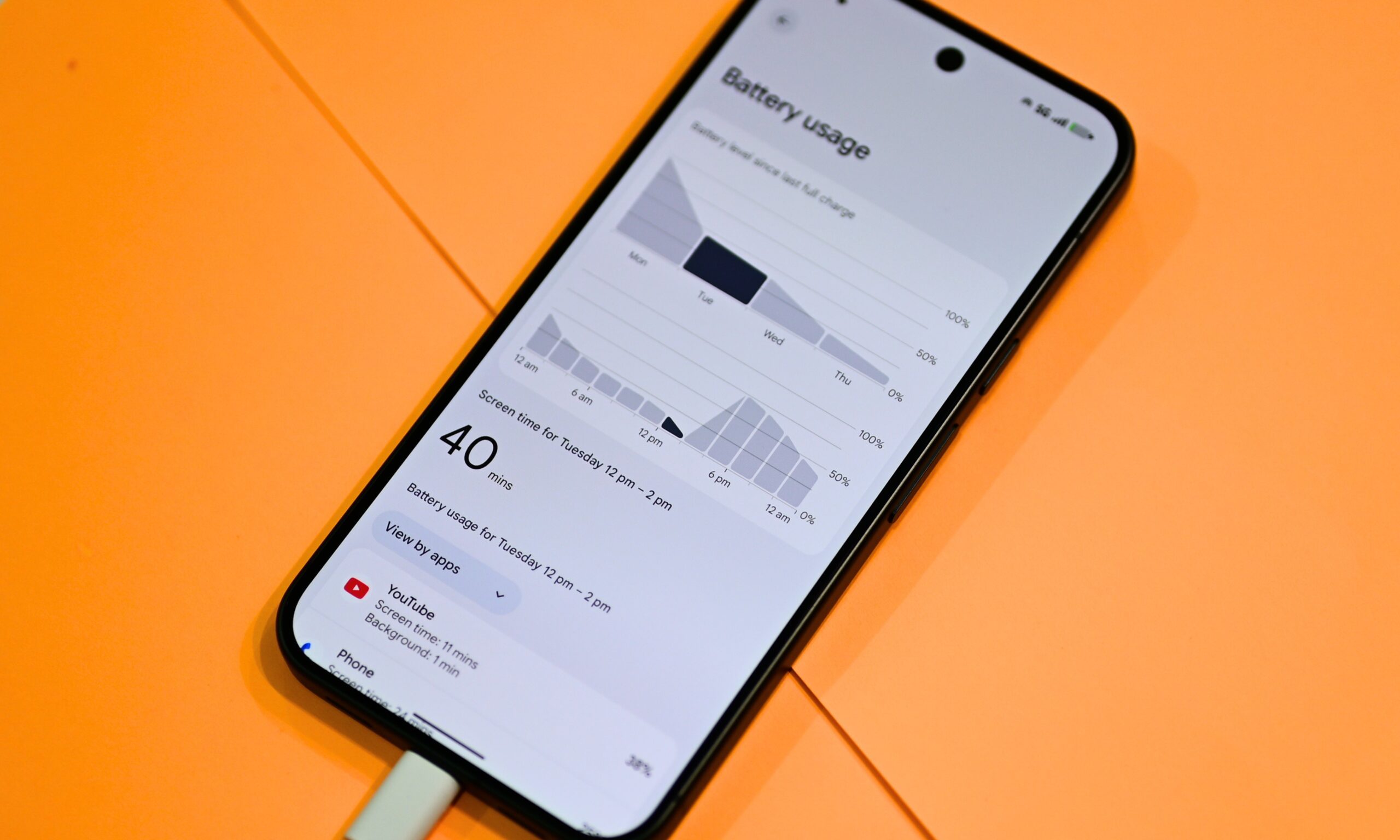
You see the gap? The Pixel 11 Pro XL is basically offering me the same screen-on time with light usage that other flagships offer with moderate to heavy usage. For me, that gap is hard to ignore, especially when other options on the market push around 10 hours of screen-on time. I’m talking about the OnePlus 15 with a 7,300mAh battery. Too bad the brand isn’t selling its flagships in North America and Canada.
Yes, you can spread those 5 to 6 hours of screen-on time across 30+ hours, like Google claims, but within those 30 hours, I’m still reaching for another phone for another four to five hours just to get through the day. At this point, I’m simply curious to know the number with back-to-back benchmark runs, gaming tests, and heavy multitasking.
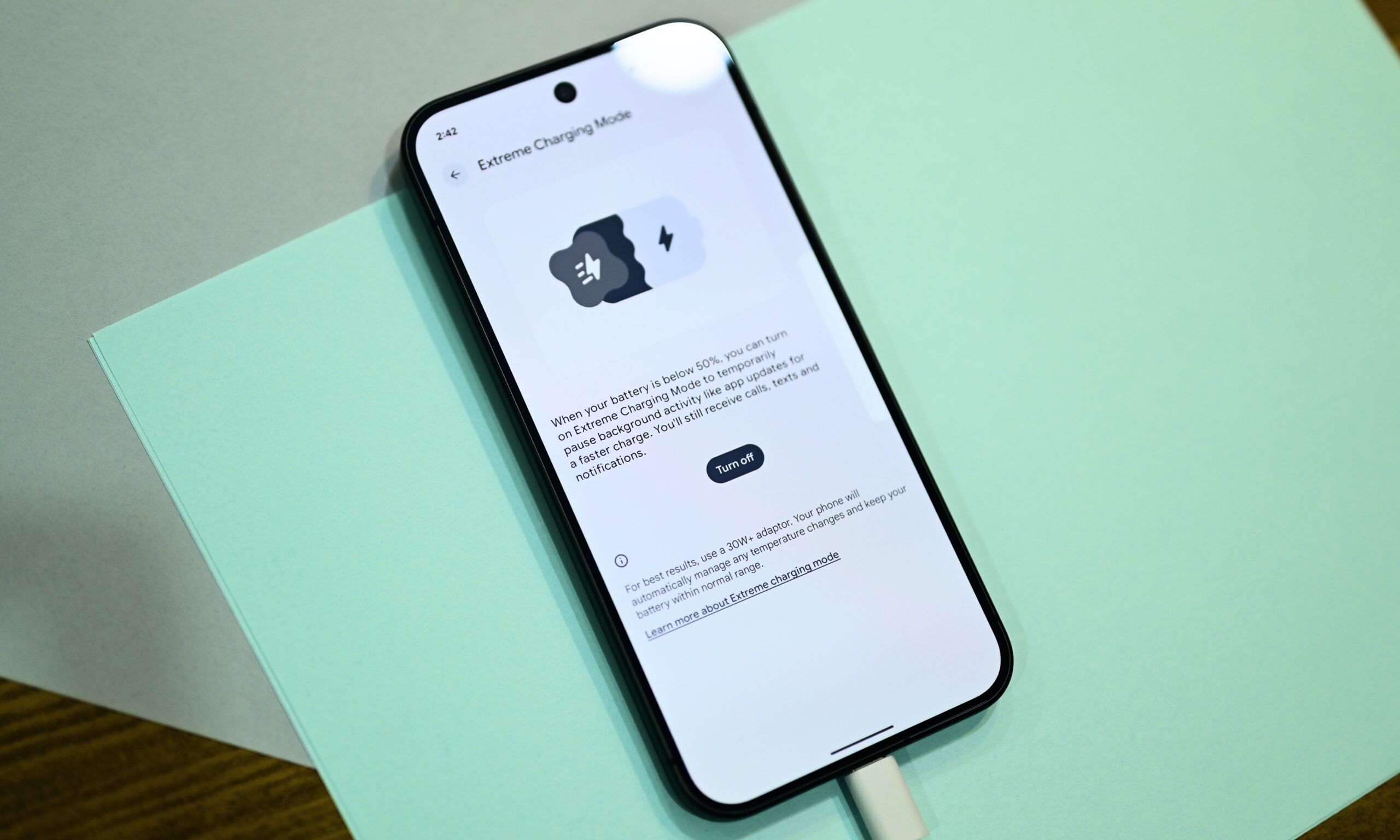
I’m concerned, but I’m almost certain that the numbers will go up
Now, I want to be fair here. New phones almost never hit peak efficiency or battery life during the first few charge cycles. Indexing can also skew the early numbers, and it can take at least three days before screen-on-time figures become truly representative, which could also be why I saw a slight improvement on the third day.
Even otherwise, Adaptive Battery and other AI-driven power management features need some usage data, including your app habits, screen usage patterns, and daily usage routines, before they can start limiting background activity and squeezing out more runtime from the battery. For these reasons, I’m confident the screen-on time could improve.
I’m willing to give Google the benefit of the doubt and wait until I’ve conducted further testing. So, consider this a flag, not a final verdict, and something interesting to keep an eye on as I work toward my full review.