




A few days ago, Apple introduced a new “Upgrade” program that is essentially a lease program for buying Apple hardware. Instead of paying the full cost up front, you space the monthly installments (12, 24, and 36 month spells), and at the end of the lease period, you can choose to return the device, upgrade to a new one, or pay the remainder cost and keep it forever.
The broad idea is simple. Instead of taking a thousand-dollar hit on the wallet, you space the hit across small monthly payments. For a flagship iPhone, that broadly comes down to a dollar per day, and for budget phones such as the iPhone 17e, it’s just half a dollar each day, if you do the breakdown. At least Apple is looking at it that way.
“It’s a way to get into a product on a fairly affordable basis, particularly for those customers who want to upgrade on some kind of schedule,” outgoing Apple chief Tim Cook said during the company’s recent earnings call. The timing of the launch is no coincidence.
Bloomberg says Apple has been working on the program for years, but only decided to launch it in 2026. You know what else is happening in 2026? A price hike for iPhones. As per analyst estimates, the iPhone 18 Pro duo could see a price hike that’s as generous as $300 for the flagship.
Soften the blow. And make upgrades less taxing.
Imagine paying close to $1400-1500 for an iPhone. And yes, the hikes are imminent, if Apple’s own comments are to be believed. Look no further than the price surge that was announced for the Mac and iPad hardware merely a few weeks ago. And oh, let’s not forget the elephant in the room — the foldable iPhone.
This one is going to cost north of $2,000, as per multiple reports, including reliable sources such as Bloomberg. Samsung already sells its latest Galaxy Z Fold 8 Ultra starting at $2,100, so it won’t be surprising to see Apple crossing that sticker price barrier.

I know half a dozen people in my close circle who own a foldable phone. None of them paid for it in one go. Forking close to two thousand dollars — on a phone — simply doesn’t make sense. Plus, a person who is willing to spend that amount on a phone is clearly a tech-savvy person, and they will most likely switch to a shiny new model in a year, or two.
That’s exactly what Apple is targeting. “If you look at the Apple Upgrade, what it’s all about is making it easier for customers to get their hands on our latest products with a leasing plan that’s right for them,” Cook said during the earnings call.
Apple is not only giving customers a more affordable (in the short-term, at least) option to own an iPhone, but also readying the field for its obviously premium foldable iPhone that arrives this fall.
Even in developing countries like India, a huge majority of iPhone users rely on local financing schemes to buy those devices. And considering the fact that Apple’s Upgrade program offers unlocked devices, the target audience will likely lap it up.
The saving grace.
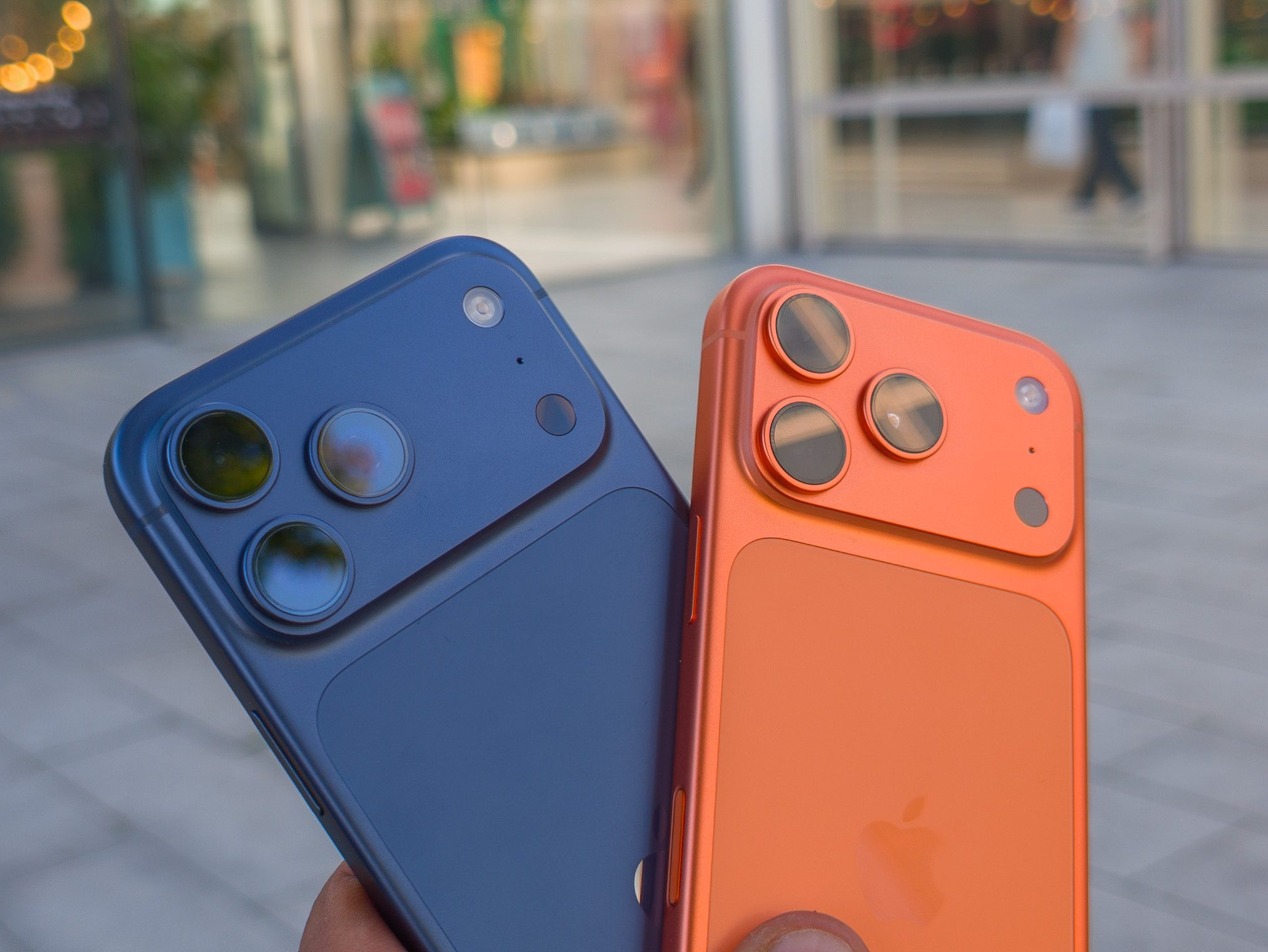
I won’t mince words here. Leasing and owning are entirely different things. With the Upgrade program, Apple essentially wants to trap you in its walled garden. You don’t technically own the device. You either let Apple take it back at the end of the lease period, or you exchange it with a new iPhone. Or Mac. Or Apple Watch. Or iPad.
If you do maths on the back of a napkin, you aren’t really in for a rewarding deal unless you love tech upgrades but don’t want to pay hundreds of dollars each time you want to experience a new iPhone. But there is a third route that can actually be a winning proposition for many.
At the end of the lease period, you can just pay off the remainder amount, convert the lease into full ownership, and subsequently sell the device in the second-hand market. The benefit? The depreciation on iPhones is dramatically lower than that of any rival brand’s competing product out there.
Apple knows that too well, and even its CEO is mildly nudging the target audience to take this route. “Of course, as you know, the residual values on Apple products are generally much higher than the residual value on several of our competition,” Cook was quoted as saying during Apple’s Q2 earnings call.
It’s a reality I’ve witnessed year after year. And it applies not just to iPhones, but also Macs, iPads, and Apple Watches. Apple’s just making the best of a status quo it has built over decades, and it’s finally in a position to reap rewards that are simply not feasible for its rivals.