



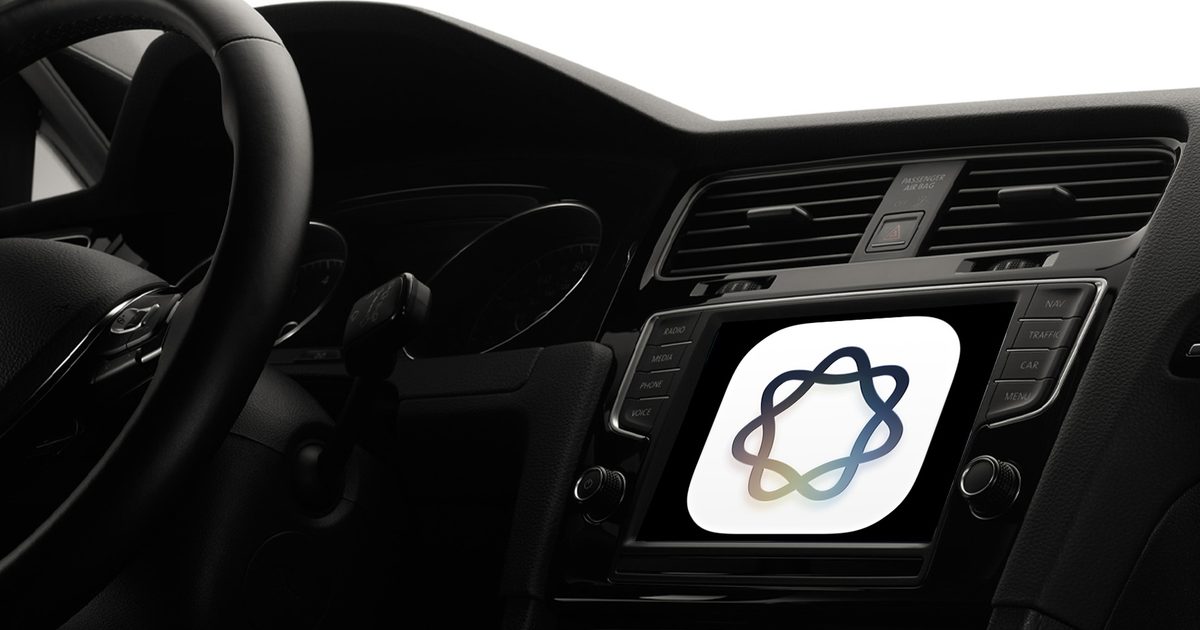
The Apple Car may have never left the garage, but it apparently gave birth to Apple’s AI ambitions. According to Bloomberg’s Mark Gurman, Apple’s canceled autonomous vehicle project, one that consumed more than a decade of work and over $10 billion before being scrapped in 2024, ended up laying the technological foundation for Apple Intelligence. In a rather ironic twist, one of Apple’s most expensive failures may also become one of its most important long-term investments.
The Apple Car forced Apple to think like an AI company
When Apple first began developing its self-driving vehicle, the goal wasn’t simply to build an electric car. The company reportedly wanted Level 5 autonomous driving, the highest level of self-driving capability where a vehicle can operate entirely on its own without any human intervention.
That ambitious target forced Apple to tackle one of the biggest engineering challenges imaginable: processing enormous AI workloads locally and in real time. To get there, engineers invested heavily in machine learning research and custom silicon designed specifically for AI processing. Although the dedicated chip intended for the car never made it into a finished product, the underlying work didn’t go to waste. Instead, it evolved into the Neural Engine, Apple’s dedicated AI processor that’s now built into virtually every modern Apple chip.
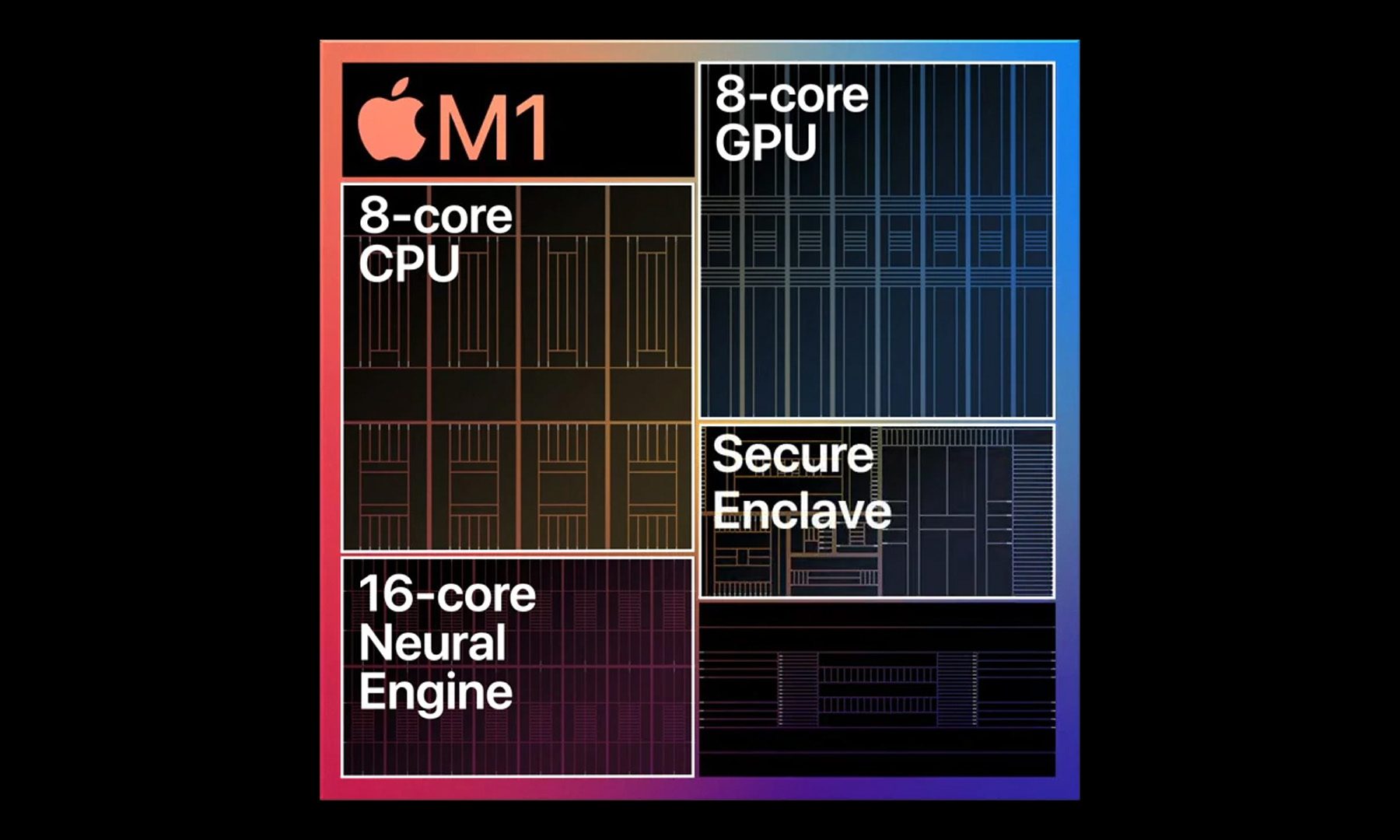
The first Neural Engine arrived inside the iPhone X in 2017, powering features such as Face ID and Animoji. Since then, Apple has steadily expanded the technology across its entire product lineup. Every Apple Silicon Mac launched since 2020 includes a Neural Engine, giving Macs dedicated hardware to run AI tasks locally instead of relying entirely on the cloud.
Its influence goes well beyond the iPhone
Bloomberg says the impact of the abandoned vehicle project stretches far beyond consumer devices. The same research reportedly influenced Apple’s powerful Ultra-class Mac chips as well as the custom processors currently running Apple Intelligence servers. While Apple has struggled to deliver AI software features as quickly as rivals like Google and Microsoft, the company has spent more than a decade quietly building the hardware required to support them. Those early investments are now beginning to pay off as Apple continues expanding Apple Intelligence and rebuilding Siri around more capable AI models.
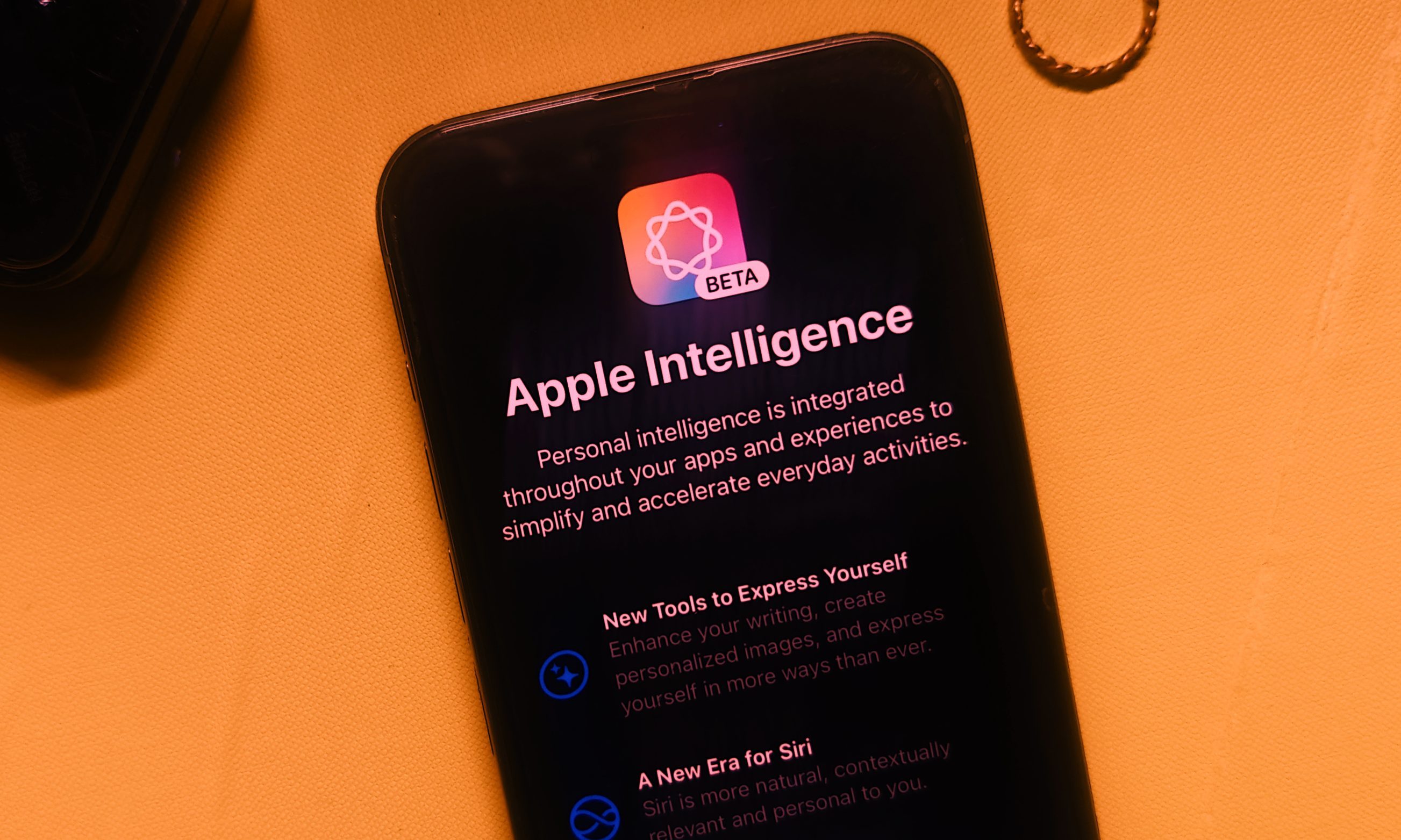
That’s perhaps the most fascinating part of the story. The Apple Car is often remembered as a spectacular failure because it never reached customers. Yet internally, Bloomberg suggests the project achieved something arguably more valuable: it accelerated Apple’s expertise in AI hardware years before generative AI became the industry’s biggest battleground. In hindsight, the company’s abandoned vehicle may never transport people from one place to another. But the technology it inspired is already helping power Apple’s next generation of AI experiences, and that might end up being the far more important destination.