


Academic papers aren’t what you’d consider a fun read. For the average person, the dense, long, and field-specific language-filled papers can be quite intimidating to get into. These are usually packaged as PDFs that look like they were designed to test your willpower. A group of University of Washington researchers thinks there may be a better way to get that work in front of regular people. They are turning the papers into short-form videos.
The tool is called PaperTok, and it uses AI to help researchers convert academic papers into short, social-friendly videos. Think TikTok, except the idea is to explain research instead of sharing brain-rotting content. The best part? PaperTok is building a platform around scientists and researchers who are involved in the process, rather than simply using AI to summarize these papers.
How PaperTok works
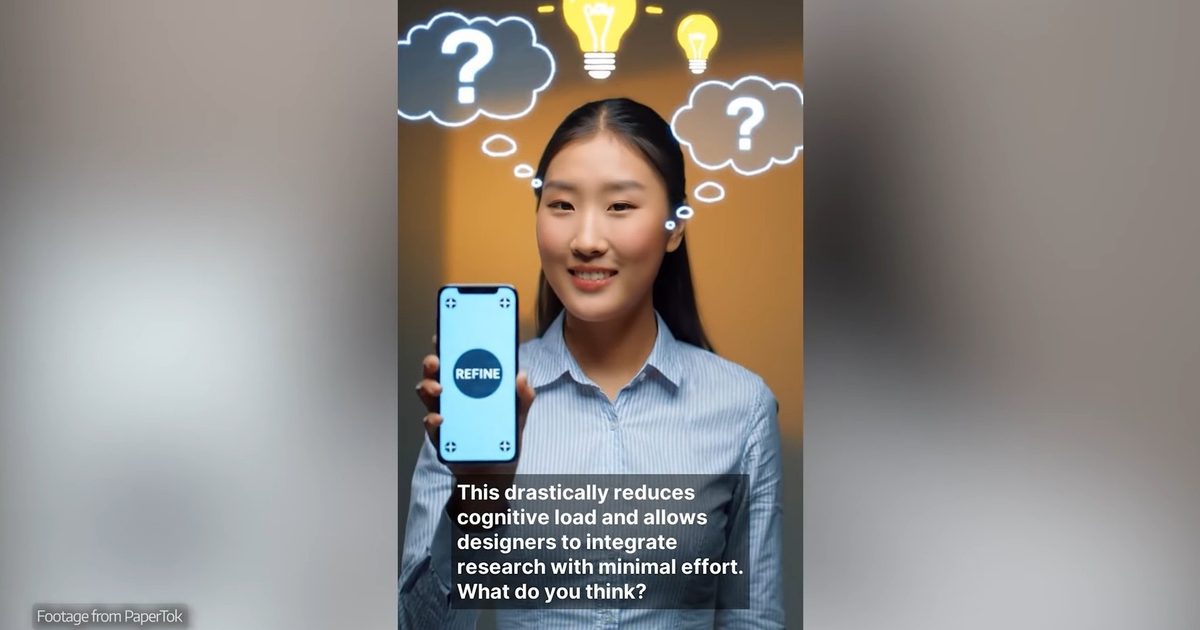
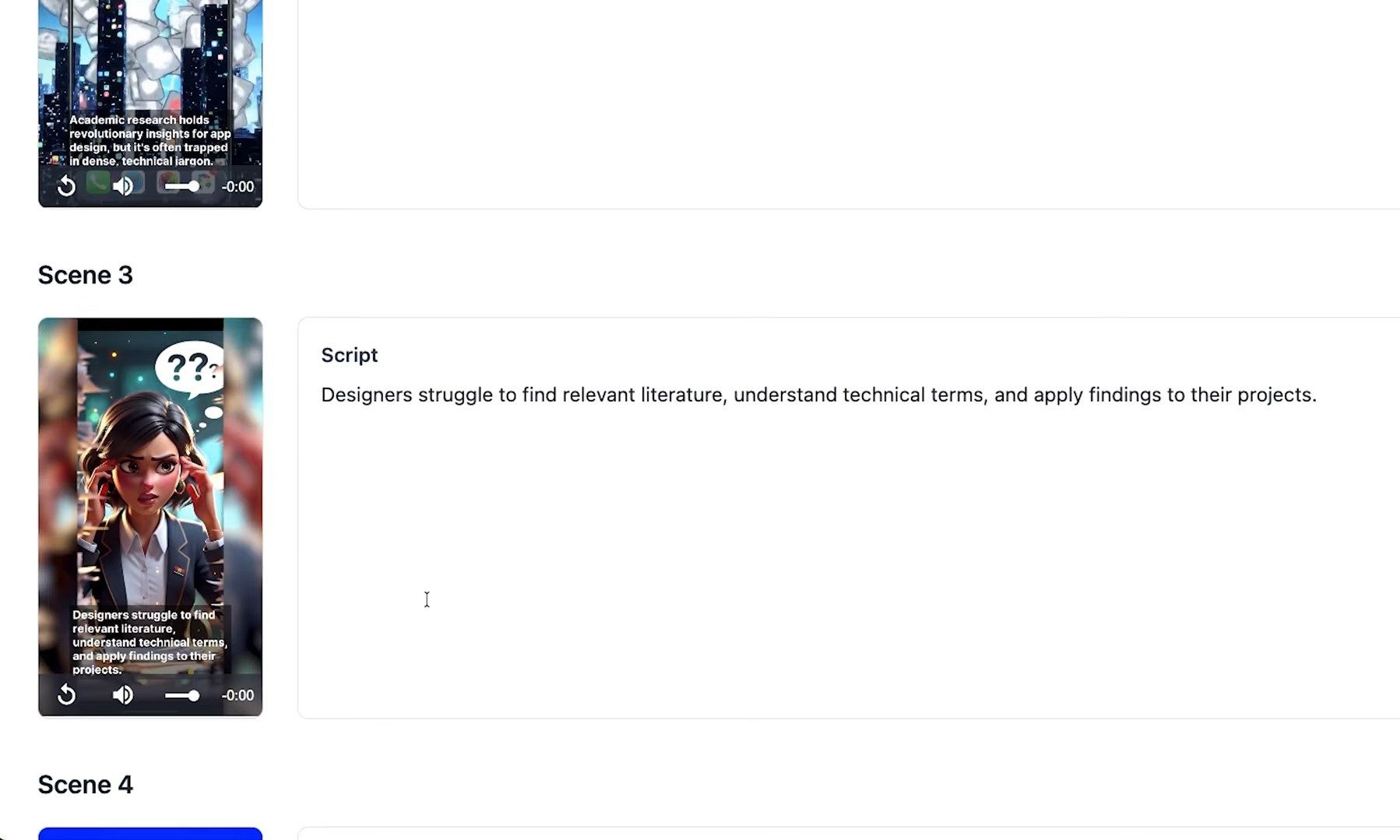
A researcher uploads a paper to PaperTok, which uses Google Gemini to analyze the document and generate short video ideas. The system offers multiple hooks because short-form videos live or die in the first few seconds. Once the user picks a hook, PaperTok creates a script. The researcher can then edit the transcript, adjust the tone, and refine the video before moving into a storyboard stage. The system then breaks the script into scenes and generates visual clips one section at a time.
PaperTok adds credits for the paper’s authors and the video creator after the video is ready, which ensures that AI doesn’t take away from the people who actually did the work. The videos are designed to be short. PaperTok can turn research papers into 45 second videos, which is much closer to the way many people actually consume media online.
How AI is being used to fight AI
PaperTok exists because researchers noticed people were already using generative AI to make short science videos. However, non-experts using AI to explain complicated papers often lead to mistakes that spread wrong information quickly. So PaperTok is using the tools in a correct manner and keeping scientists in the loop.
In testing, UW researchers compared PaperTok videos with videos from two other PDF-to-video generators using feedback from 100 online participants and 18 academic participants. PaperTok’s videos were seen as easier to use and more engaging. Although some users still felt that the videos looked too AI-generated, with issues like strange visual artifacts or nonsense text. So the technology isn’t perfect yet. If a video looks too obviously AI-made, it could even hurt credibility.
As of right now, PaperTok is limited to users with a paid Google Gemini subscription. The team also plans to improve customization, including ways for users to guide specific parts of generated scenes more directly.