


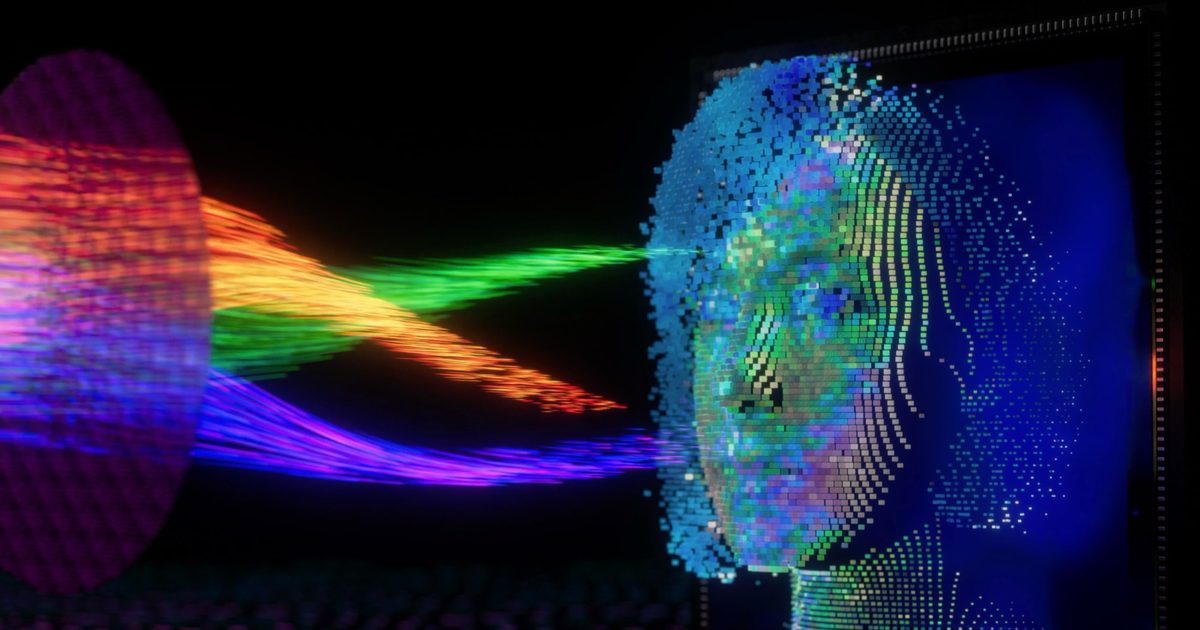
Face ID under the display is finally real, and it’s not from Apple. Metalenz has developed the technology that lets facial recognition work from under the display.
The notch. The punch-hole cutout. The Dynamic Island. Every phone maker has a different name for it, but they all share the same problem. There’s a big chunk cut out of your display to make the facial recognition work. Metalenz might have just solved that.
At Display Week in Los Angeles, the company is demonstrating Polar ID working under a fully powered-on OLED display. There’s no cutout, and it’s totally secure.
Why is this a big deal?
Face authentication isn’t just a camera trick. To prevent spoofing, meaning someone using a photo or mask to fool your phone, the system needs to capture depth and detail that a standard camera struggles to deliver through a display.
That’s why Apple’s Face ID technology is far superior to what several Android devices offer, which only use a camera to allow for device unlocking. However, since they are not secure, they cannot be used for biometric authentication or perform sensitive actions such as payment processing.

However, for Face ID to work, the sensors need a big cutout as they cannot perform the verification through the display. Leaks have suggested that Apple has been working on this problem but hasn’t found a solution yet.
Metalenz’s solved by taking a different approach. Its Polar ID technology captures polarized light using something called metasurface optics. The clever part is that this polarization signal passes through the OLED display without losing quality, which is the exact problem that has held everyone else back.

The company claims a 0% spoof acceptance rate, which puts it in the same league as Apple’s Face ID in terms of security.
What does this mean for your next phone?
For Android users, this is potentially big news. Right now, Android manufacturers only offer face unlock as a convenience feature, not as a payment-grade security tool, partly because putting a proper system under the display was too difficult. Polar ID changes that calculation.
If phone makers adopt this, the notch and the cutout become unnecessary, and you might finally get the true all-screen phone the industry has been promising for years.