





The next time you subscribe to a service or make an in-app purchase on Android, you may not use Google Play’s billing system. Starting June 30, developers in the US, UK, and Europe will be able to offer expanded payment options for digital purchases on the Google Play Store. That means some apps could begin directing users to their own websites or offering alternative checkout systems instead of relying entirely on Google Play Billing.
You may start seeing new ways to pay
For years, buying an app or subscription on the Play Store meant going through Google’s checkout system. That will no longer be the only option starting next week. Under the new rules, developers can offer their own billing systems or direct users to complete purchases outside the Play Store. Depending on the app, that could mean being taken to a website to subscribe, seeing multiple payment options at checkout, or encountering offers that aren’t processed by Google.
Google Play Billing won’t disappear, and many apps will likely continue using it. Developers who continue using Google Play Billing will pay an additional 5% fee, while those who direct users to an alternative payment system will be able to avoid that charge.
Could this save you money?
Google is also lowering some Play Store fees, giving developers more flexibility in how they price subscriptions and digital purchases. Whether those savings reach consumers is another question altogether.

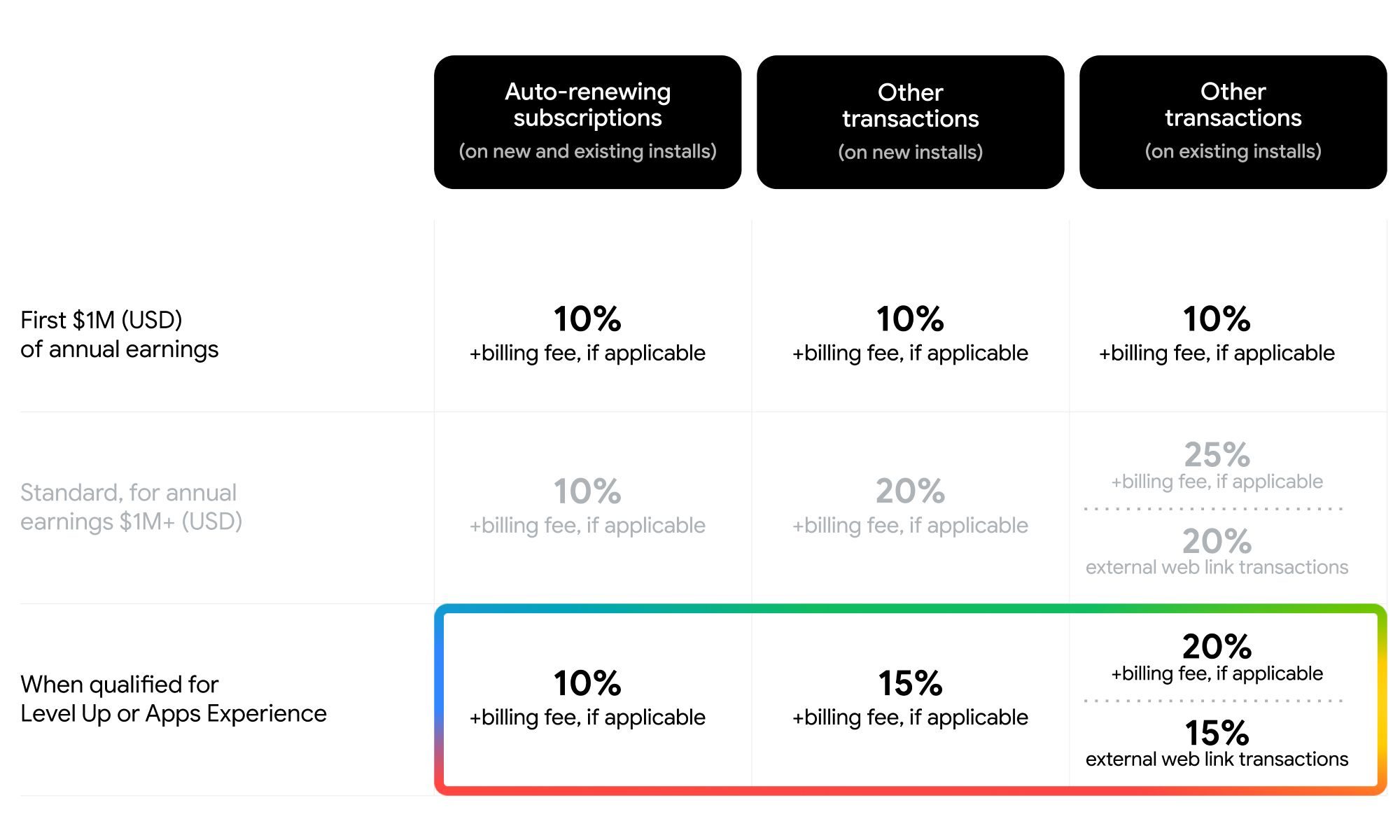
Some developers may use alternative payment systems to offer discounts, promotions, or lower subscription fees. Others may choose to keep pricing exactly the same and absorb the savings themselves. For most Android users, the immediate impact will be the choice of alternative payment methods rather than savings. Google plans to expand the program to more regions over the next year, with Australia set to join in September and South Korea and Japan following in December. The rollout will continue through September 2027.