




Xiaomi 17T Pro
MSRP $1,020.00
“A Leica-tuned powerhouse that makes battery anxiety feel like someone else’s problem.”
Pros
- Gorgeous Deep Blue finish
- Bright and immersive OLED display
- Strong flagship-grade performance
- Excellent battery life with superb fast charging
- Leica-tuned cameras have real character
- 5x telephoto is genuinely fun to use
Cons
- Optical fingerprint scanner feels weak at this price
- HyperOS still feels heavy
- Ultrawide and selfie cameras are not as strong
- Stress test stability could be better
- Telephoto struggles more in low light
Xiaomi started off with a reputation as a very enthusiastic Apple “admirer”. But over the years, the company has built a strong identity of its own. One that doesn’t compromise on value, still stays competitive on pricing, and often manages to sneak genuinely flagship-grade hardware into phones that sit just below the most expensive Ultra models. And in recent years, I’ve come to appreciate a lot of Xiaomi’s products, especially its smartphones.
So when I got my hands on the Xiaomi 17T Pro, I kind of knew what to expect. A sleek design, a solid AMOLED display, and a great photography experience thanks to Leica tuning. For around $1,000 (€899), it isn’t exactly an impulse buy thanks to the ongoing price hikes. But Xiaomi has worked on offering a rounded experience that fits neatly below its true flagship, the Xiaomi 17 Ultra.
After spending around a month with this phone, I can see how it might replace my daily driver.
Chinese brands collaborating with camera and lens makers has become a recurring theme, and honestly, I’ve been enjoying it quite a bit. Leica, Hasselblad, Zeiss, and others have given smartphone cameras a bit more personality than the usual approach of making shots look sharper or more vibrant. But a good set of cameras alone doesn’t make a great phone.
Design
Quick Take: The Xiaomi 17T Pro doesn’t reinvent premium phone design, but it looks and feels the part.
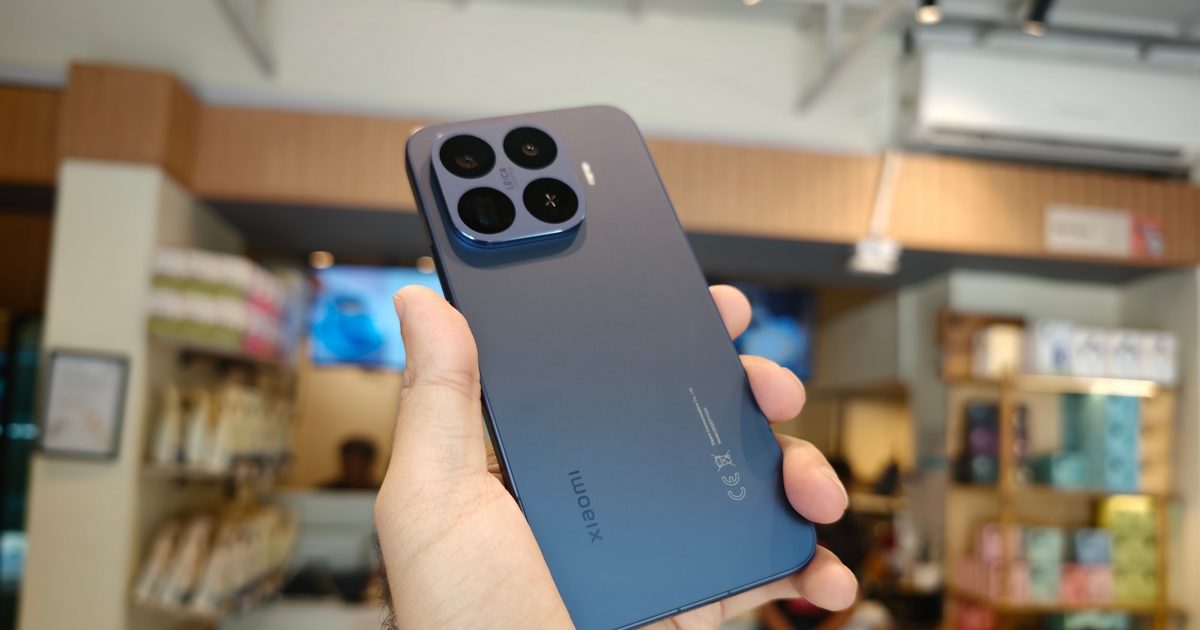
The Xiaomi 17T Pro continues the design trend we’ve seen across many recent premium phones. That means rounded corners, flat edges, and a silhouette that looks a little familiar if you’ve spent any time around modern iPhones. Though the camera module feels more distinct than a direct copy, and the overall look is more Xiaomi than cosplay.


The design language doesn’t stand out in a dramatic way, but the whole package feels premium and polished. Like most flagship models, you get an aluminum frame and a glass back. And since this is still mostly a glass slab, protection matters. Thankfully, Xiaomi doesn’t disappoint here.
The front and rear glass panels use Corning Gorilla Glass 7i. For protection against the elements, there’s an IP68 rating, which makes the device dustproof and capable of surviving water immersion up to 1.5 meters. Xiaomi also includes a soft protective case in the box, so you don’t have to immediately hunt for a dedicated case after buying the phone. There’s even a pre-applied screen protector as well.
And yet, I found myself using the Xiaomi 17T Pro without a cover for most of the review period. Partly because it felt great in my hand, but mostly because it just looked so pretty. Xiaomi’s Deep Blue color is absolutely gorgeous. It adds an elegant touch without screaming for attention, and it reminded me a little of the more tasteful deep-blue finishes we’ve recently seen on other premium phones like the Galaxy S26 series.

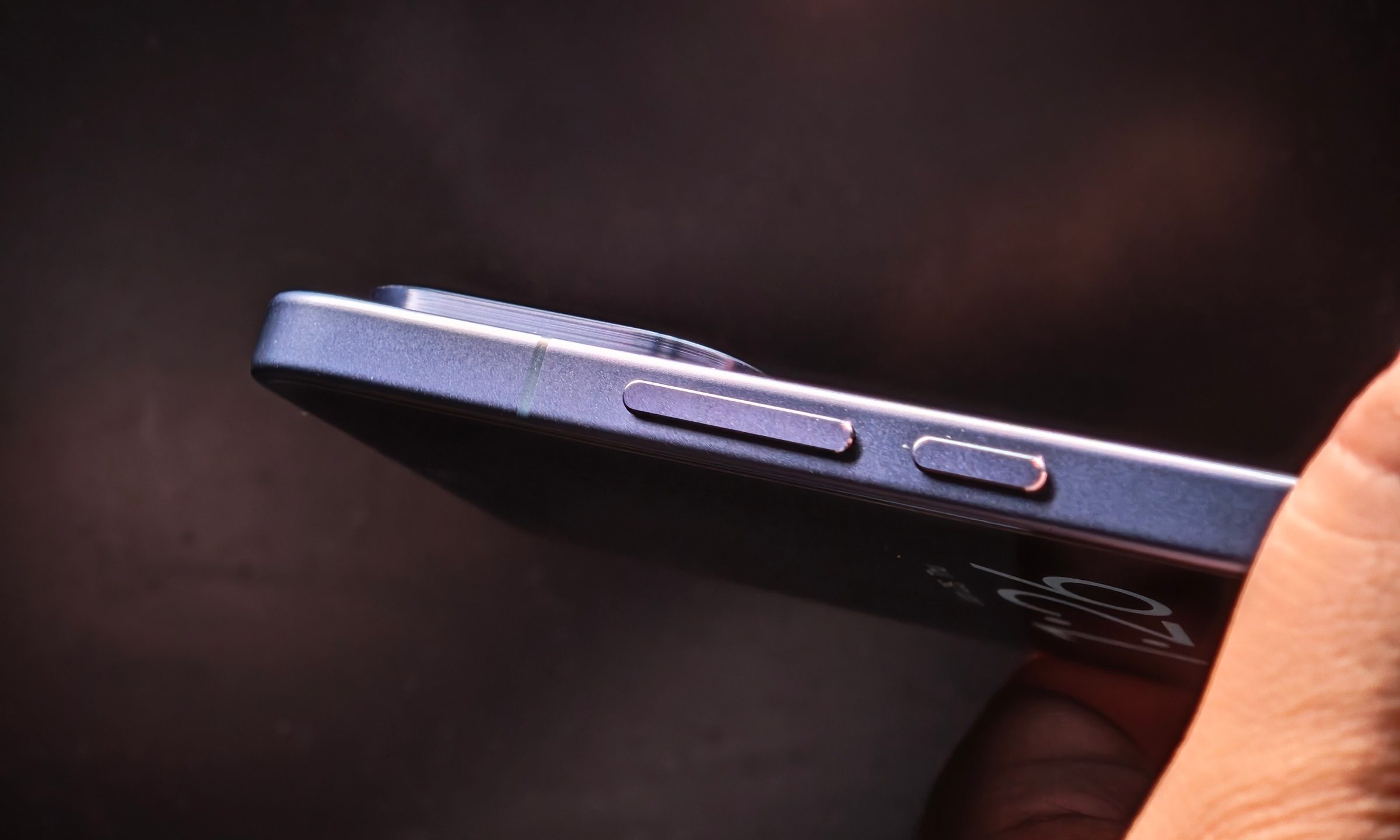
The downside is that this is still a large, slippery glass phone. If you’re brave enough to go caseless, you’ll enjoy the finish more. Just remember that you’ll also keep adjusting your grip more than you’d like. Xiaomi gives you the case for a reason.
Design score: 8/10
Display
Quick Take: The Xiaomi 17T Pro has a gorgeous OLED screen
The part of any smartphone you interact with the most is the screen, and that’s the one area where compromises hurt quickly. The Xiaomi 17T Pro doesn’t make any major cuts here. On the front, you get a tall 6.83-inch OLED display packed with flagship-level specs and some useful eye-protection features.
Before getting into the refresh rate and brightness numbers, I have to mention the bezels. Xiaomi has gone with super-slim 1.29mm uniform bezels around the display, and it gives the phone that clean, expensive look you expect when you’re paying top dollar. It’s a small detail, but it does make the phone feel more premium every time the screen lights up.
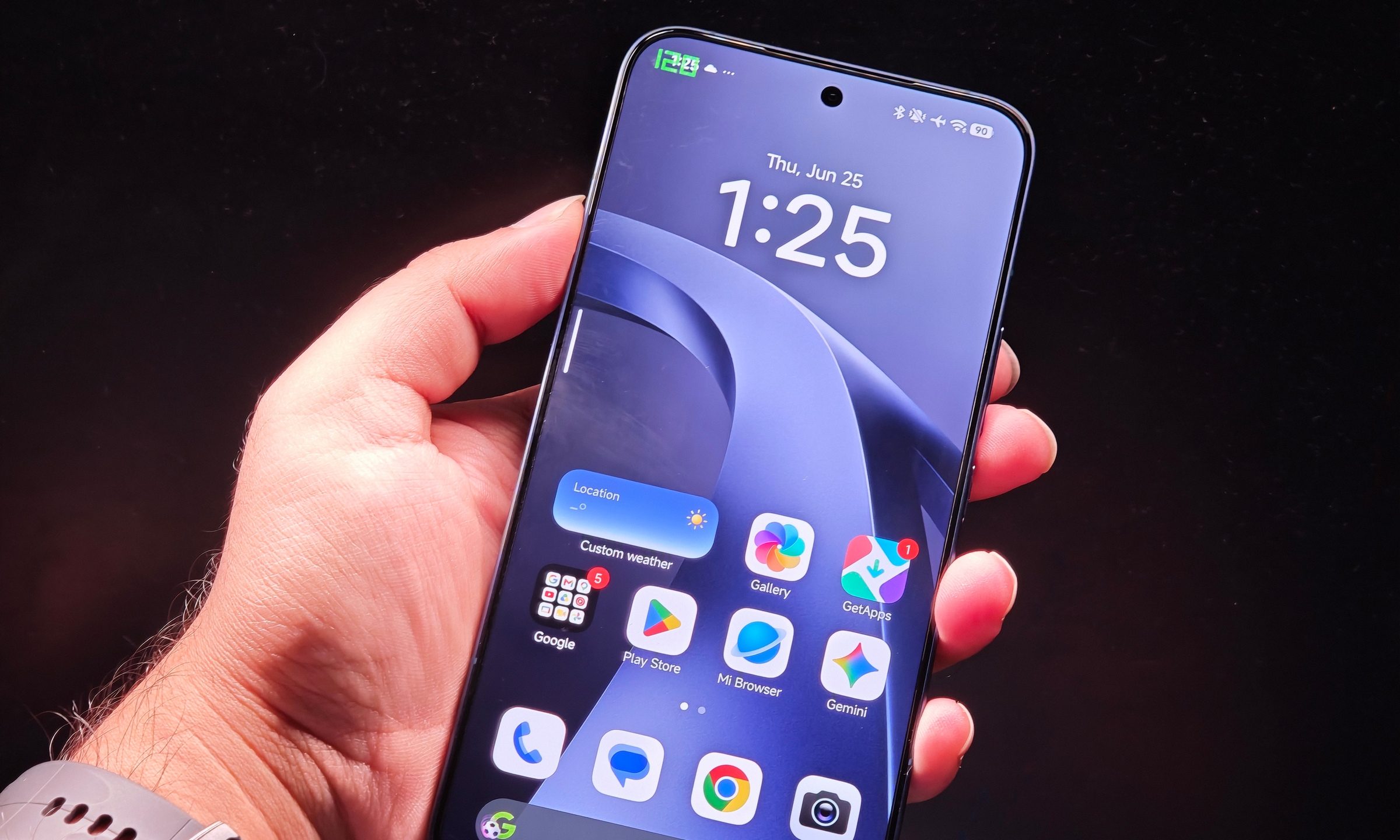
The panel is vibrant out of the box, though you can switch the color profile to something more realistic if Xiaomi’s default tuning feels a little too punchy. With a peak brightness of 3,500 nits and 2,000 nits in high-brightness mode, outdoor legibility was never an issue during my use. Bright sunlight didn’t turn the screen into a mirror, which is always a relief.
The Xiaomi 17T Pro offers a 144Hz refresh rate. In reality, you’re mostly getting 120Hz in everyday use, which is still extremely smooth. The full 144Hz mode is restricted to certain system apps and games. That sounds slightly disappointing, but I didn’t find myself missing it during daily use. Scrolling, animations, and general navigation all felt fluid.
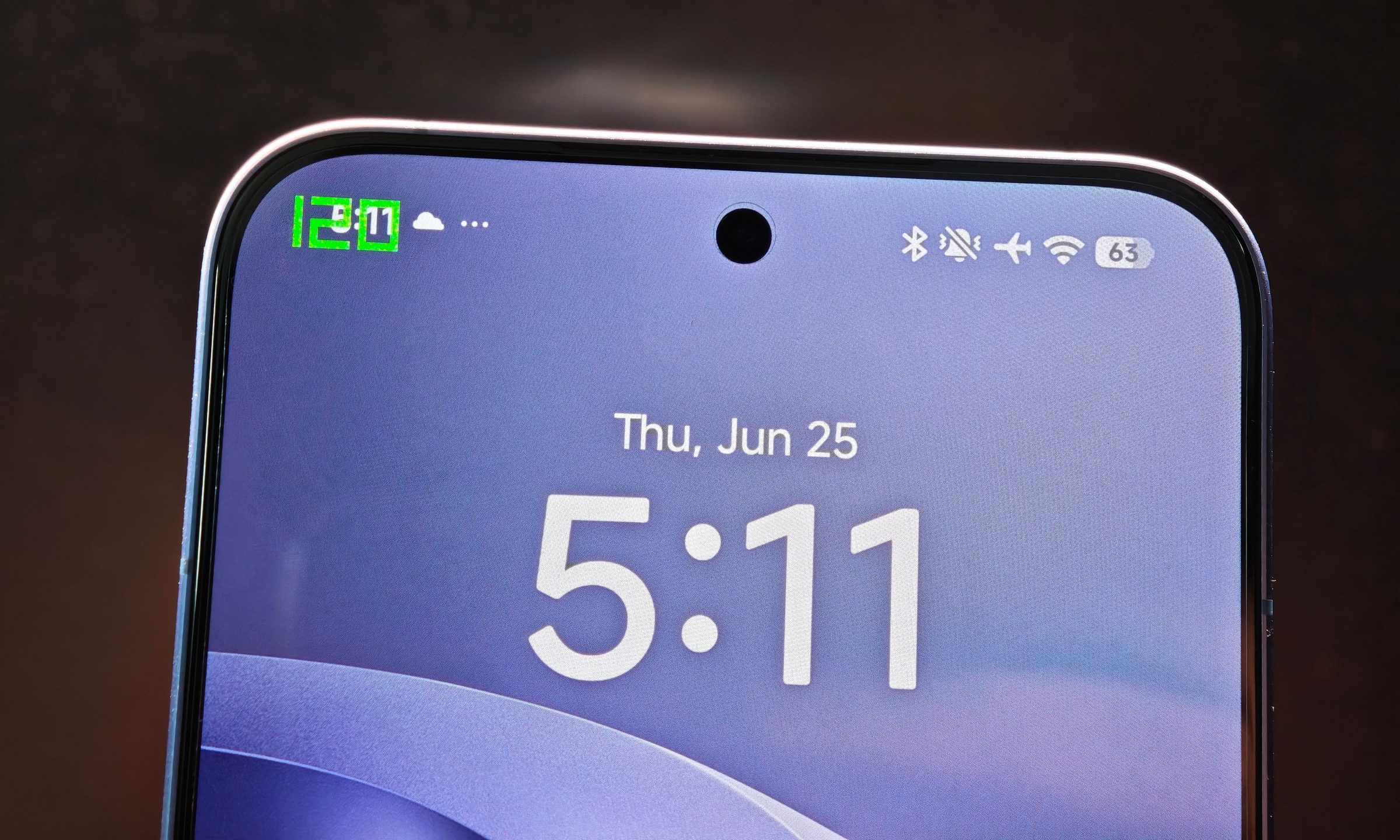
I’m not a big-screen person, and I still can’t deny the benefits. Videos look great, gaming feels more immersive, and there’s more room for on-screen controls. The trade-off is obvious. This phone is not comfortable for one-handed use. If you have smaller hands, reaching anything near the top of the screen requires stretching, shifting, or accepting defeat and using your other hand.
The other annoyance is the fingerprint scanner. At this price, an ultrasonic sensor would’ve made more sense. Xiaomi, instead, uses an optical sensor, and it’s positioned too low for my liking. The placement at the bottom is one problem, but the bright optical flash at night feels like a punishment. You get flashbanged for checking notifications in bed.
Display score: 8/10
Performance
Quick take: The Xiaomi 17T Pro is fast, smooth, and excellent for gaming, though sustained stress testing exposes some thermal limits.
One of the main ways the Xiaomi 17T Pro matches pricier flagships is performance. Packing MediaTek’s high-end Dimensity chip, along with 16GB of RAM and 512GB of internal storage, this phone has more than enough horsepower to tear through daily use.

In day-to-day use, I didn’t notice any stutter or lag, even when switching between multiple apps, quickly launching the camera for a shot, or using the phone for multitasking. Everything feels responsive, and the phone keeps up with the best of them. It doesn’t feel like a “nearly flagship” phone when you’re using it. It just feels fast.
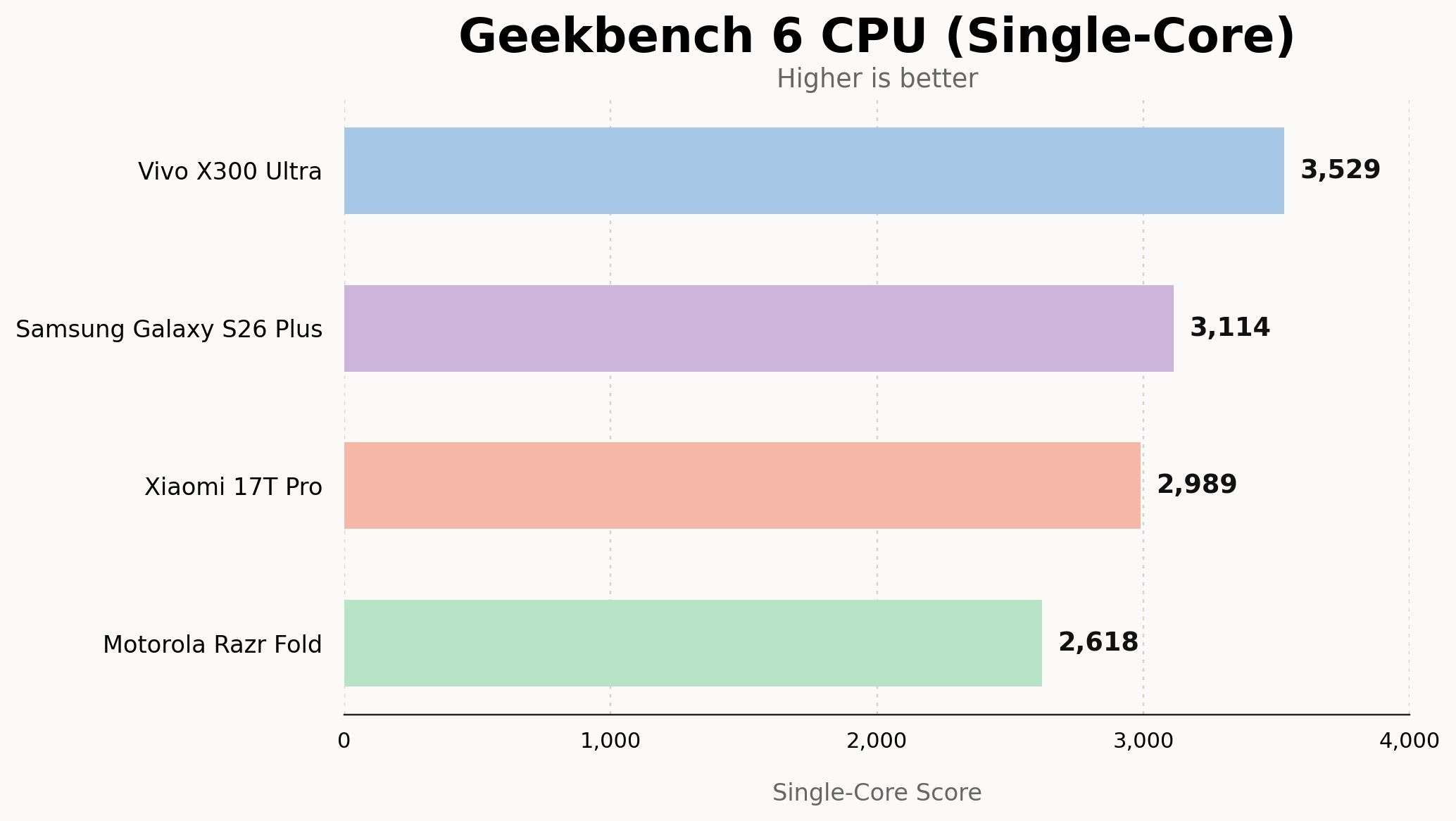
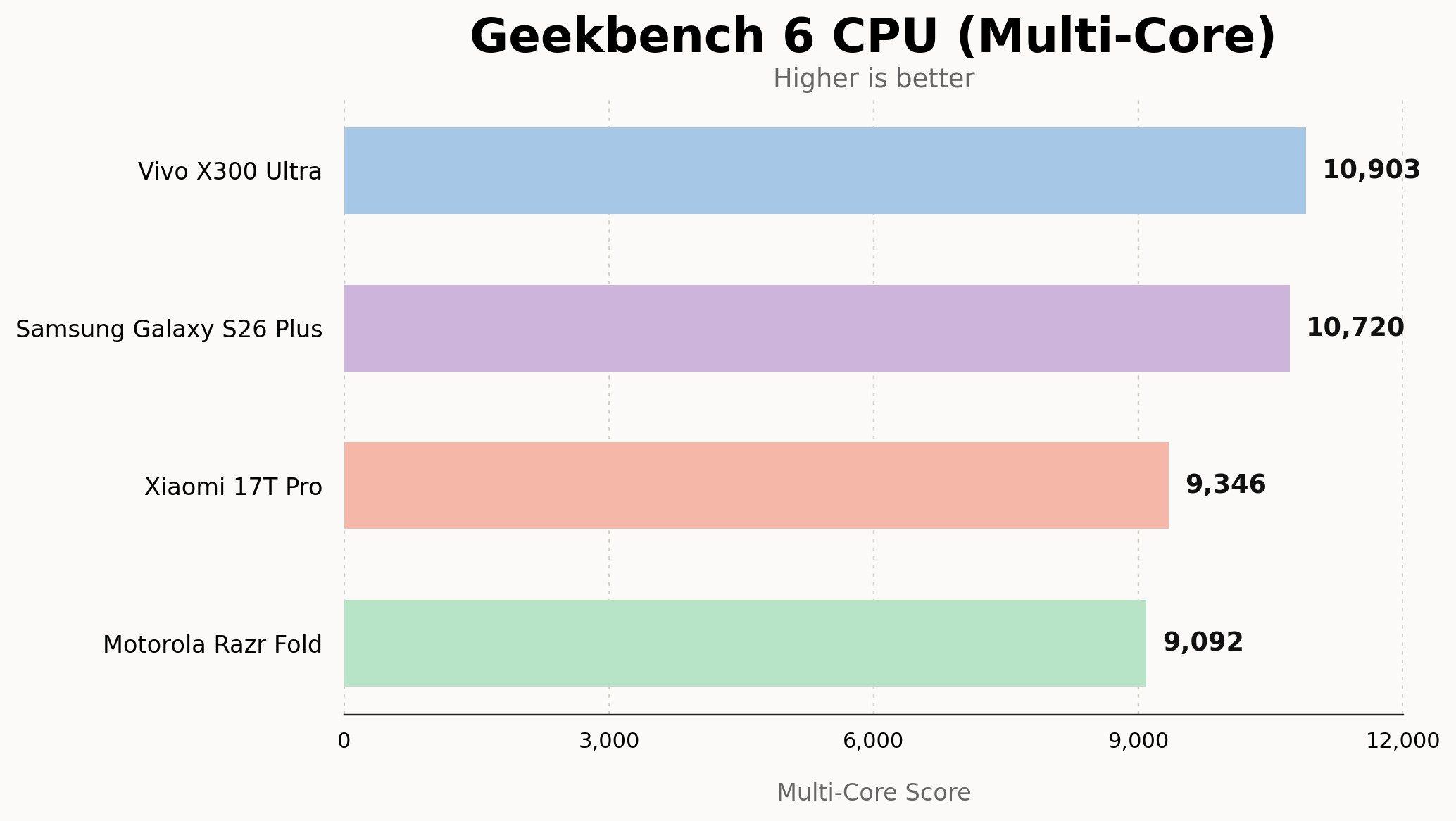
The benchmark numbers back that up. In Geekbench 6, the Xiaomi 17T Pro scored 2,989 points in the single-core test and 9,346 points in the multi-core test. AnTuTu showed a strong overall score of 3,226,610 points, with 908,879 for CPU and 1,281,444 for GPU.

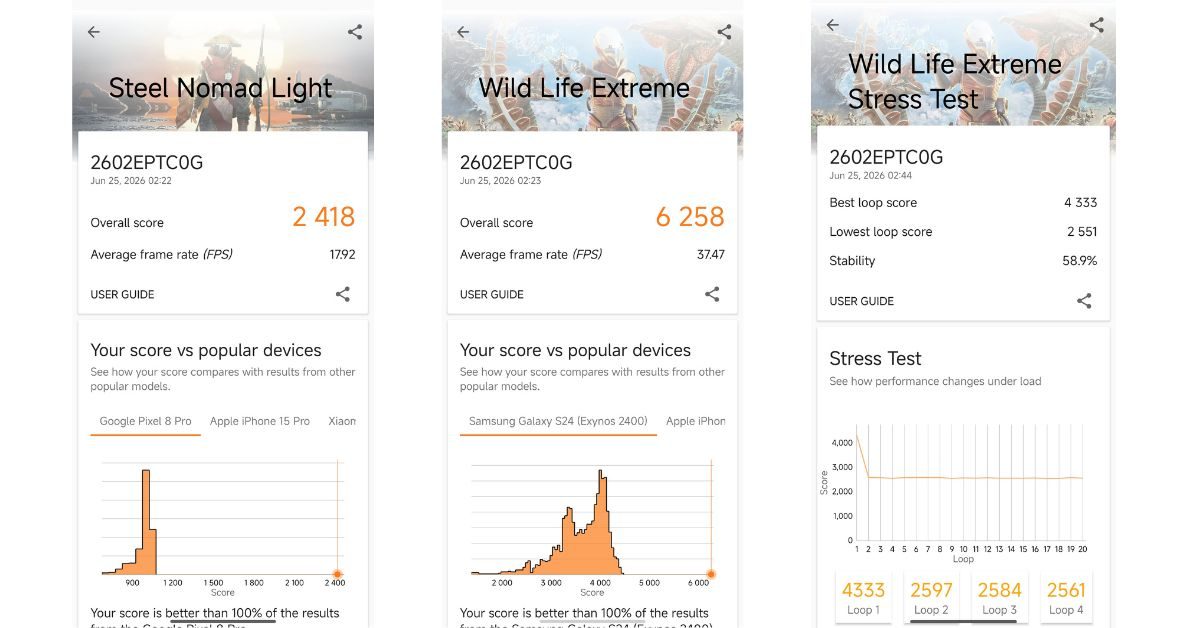
3DMark paints a similarly strong picture, though with a little more nuance. The Xiaomi 17T Pro scored 6,258 in Wild Life Extreme and 2,418 in Steel Nomad Light. In the Wild Life Extreme Stress Test, however, the device wasn’t as stable as I expected. It hit a best loop score of 4,333 and a lowest loop score of 2,551, with 58.9% stability. That puts it behind some devices I’ve tested recently in sustained GPU stability, including the technically slower Motorola Razr Fold.
That said, benchmarks are designed to be cruel. In real use, I rarely saw the phone throttle this hard. Gaming performance was excellent.
PUBG Mobile has yet to include the Xiaomi 17T Pro in its 120fps refresh rate mode, so I was stuck at 90fps. The experience was still buttery smooth. Even after playing a couple of matches, the frame rate rarely dropped in any noticeable way.
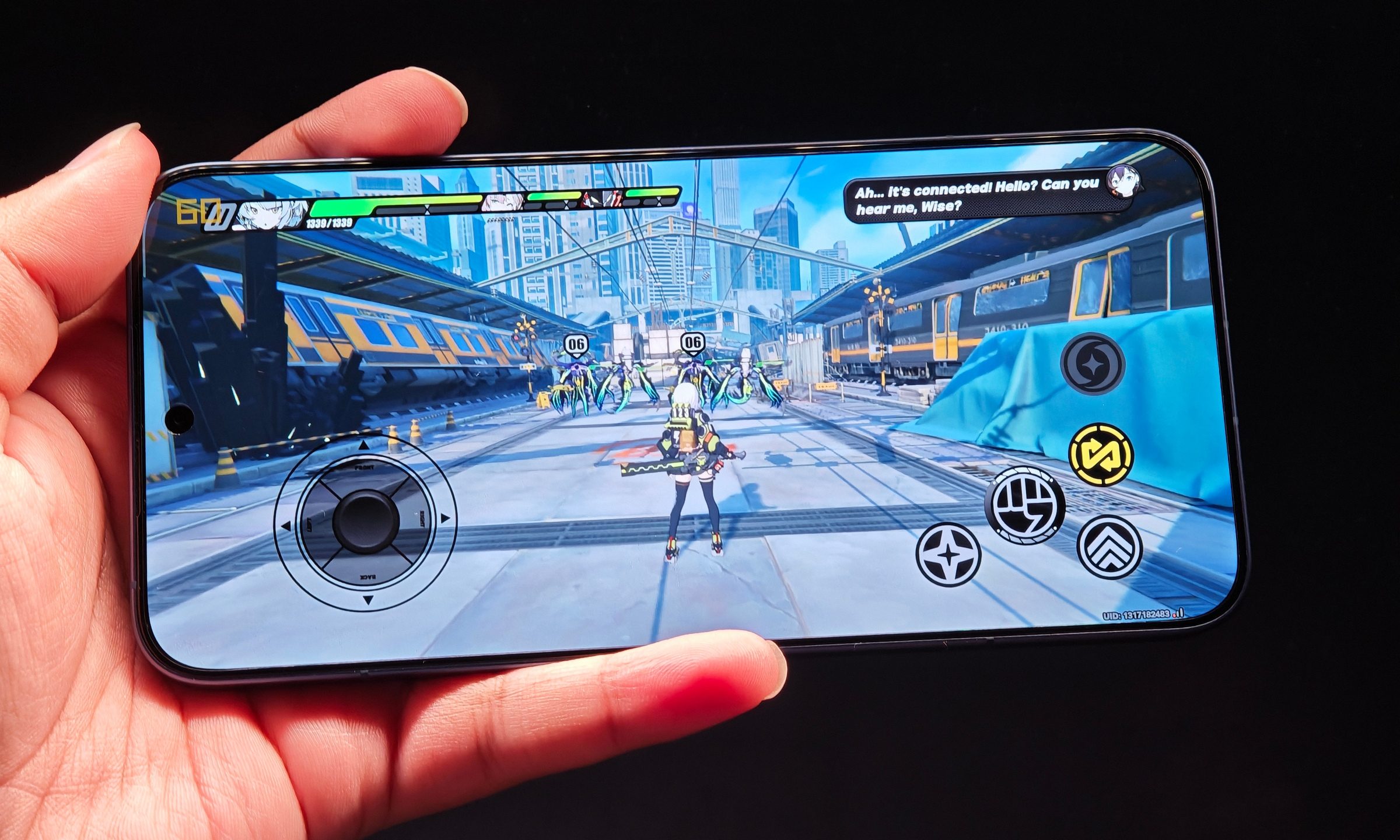
I also tried Zenless Zone Zero to push the phone harder, and that didn’t pose much of a problem either. With the High preset, the game ran at a stable 60fps for the most part. There were a couple of frame drops during busy scenes, but they were few and far between. The larger screen also makes on-screen controls feel more comfortable.
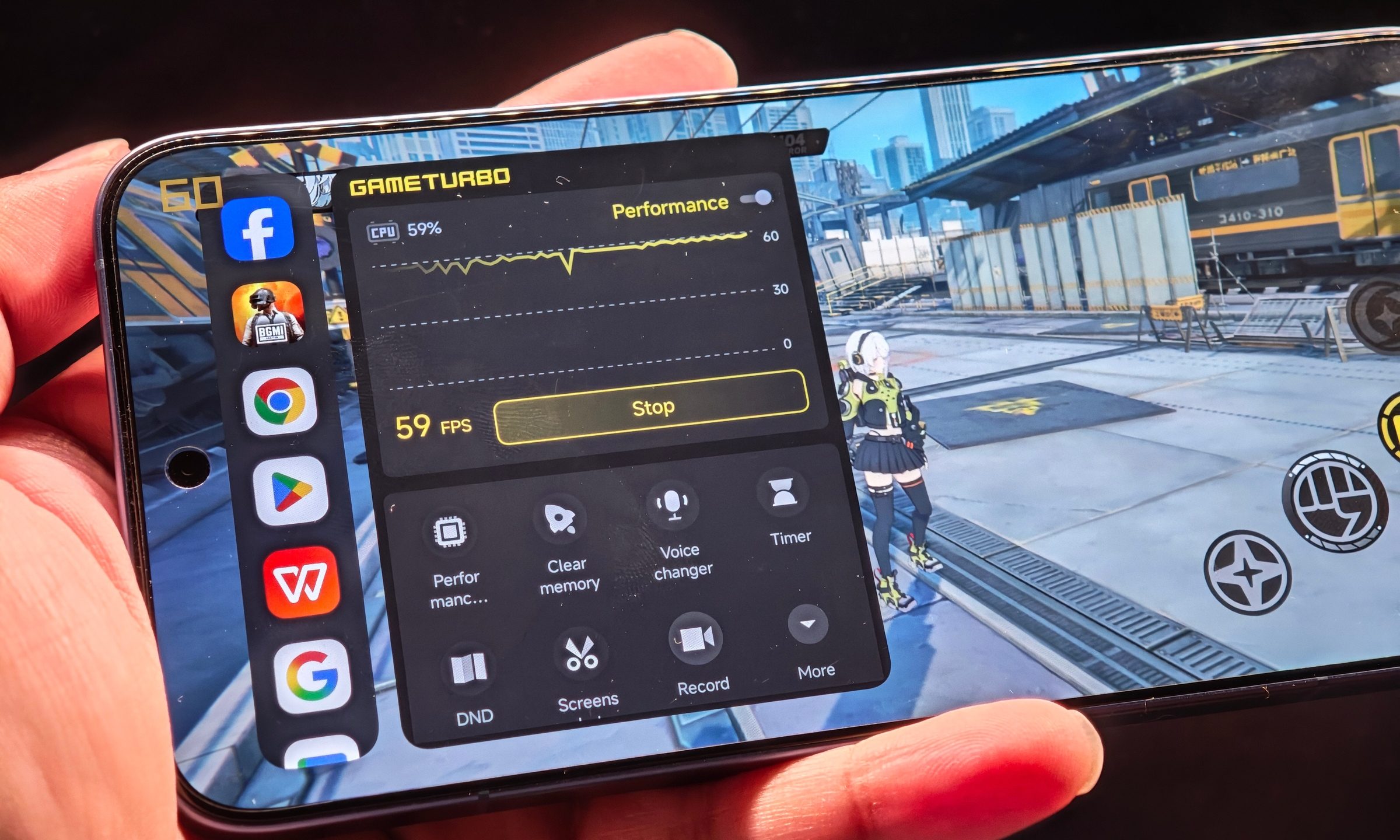
Temperatures were managed well during gaming. The device did get warm, almost touching 40 degrees Celsius, but it never became uncomfortable to hold. The stress test pushed the thermals much harder, causing the 17T Pro to reach 47 degrees Celsius, which likely explains the lower stability score.
Performance score: 8.5/10
Battery Life
Quick take: A massive 7,000mAh battery turns the Xiaomi 17T Pro into a proper endurance monster.
Chinese smartphones are known for their big battery packs, and the Xiaomi 17T Pro is one of the best examples of that trend. It packs a whopping 7,000mAh cell, which means battery anxiety is basically not part of the experience.
To put that into perspective, this battery is nearly twice as large as the cell in the iPhone 17.
And you can feel that difference immediately.

I had this phone for around a month, and I rarely worried about charge levels. Using it alongside the Motorola Razr Fold, the Xiaomi 17T Pro easily lasted me two days straight with lighter mixed use. Depending on your usage, you can easily see seven to eight hours of screen-on time. Even as a daily driver, it was still lasting around seven hours of screen-on time, or roughly a day and a half before I needed to plug it in.
A large battery usually means longer charging times, but Xiaomi makes sure that isn’t the case here. Thanks to 100W fast charging, it took around 30 minutes to charge from roughly 1% to 75%. A full charge took around 45 minutes.
You don’t have to plug it in overnight or worry about carrying a battery bank for most days. You can forget to charge it, and then go about your day.
Battery score: 9/10
Camera
Quick take: The Xiaomi 17T Pro’s camera system is fun, flavorful, and often excellent, though the ultrawide and selfie cameras don’t quite match the main act.
The marketing around the Xiaomi 17T series revolves heavily around the camera and the “Leica experience.” This is more than just a logo on the camera module. Leica is really baked into the shooting experience here.

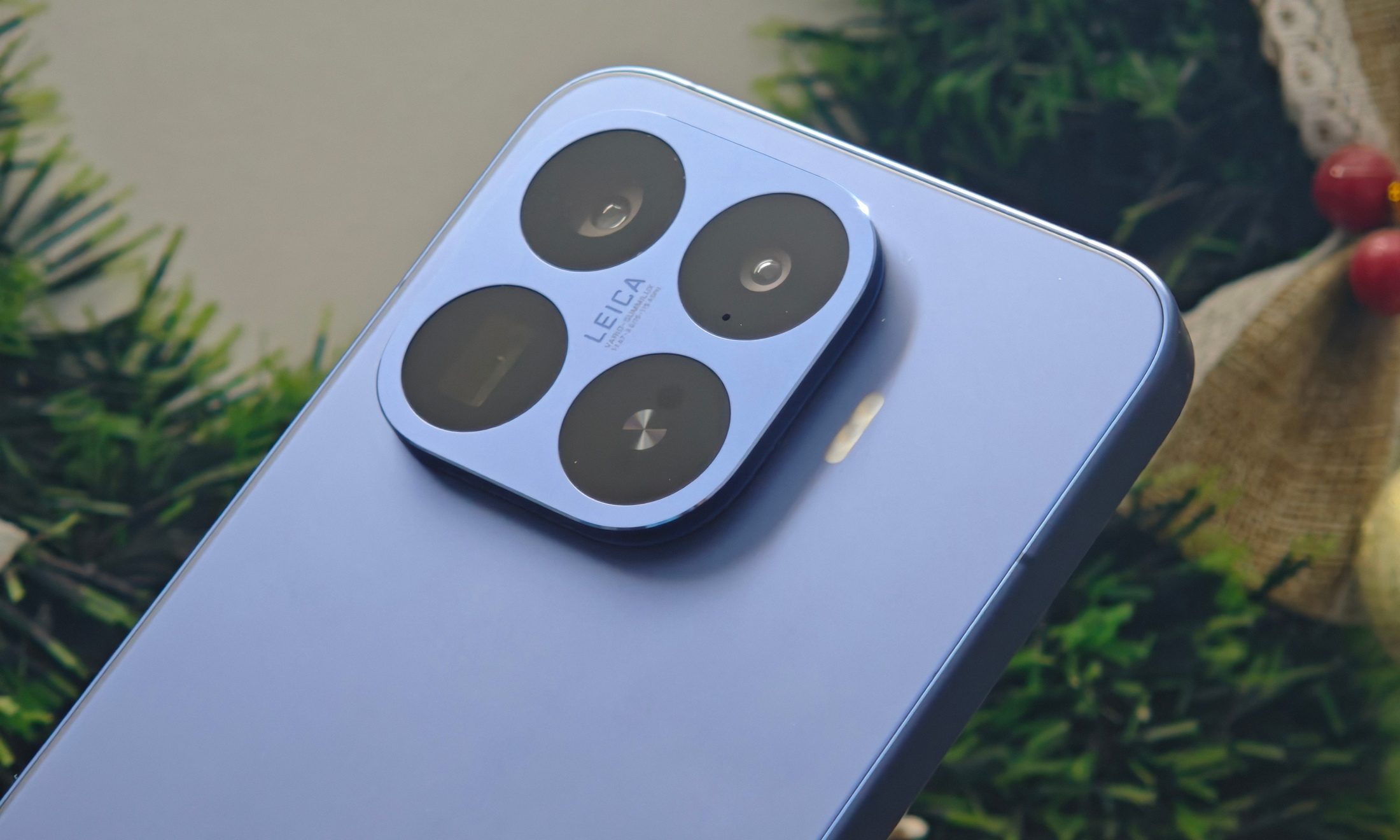
Even in regular shooting mode, you get two major Leica options: Leica Authentic and Leica Vibrant. As the name suggests, Leica Authentic captures more cinematic shots with boosted contrast and a moodier look. Leica Vibrant, meanwhile, delivers punchier colors that many people will probably prefer for quick sharing. You can check out these differences in our hands-on with the Leica Live moments on the 17T Pro.
If you want more customization, the filters are genuinely fun to shoot with. Some are curated by Leica to mimic the feel of the brand’s iconic cameras. The collaboration brings not just color science, but character. There’s texture here–and a lot of personality mixed in.



You’re not buying this phone for the most accurate colors. The vision is different and more distinct. That’s also where it differs from something like the Pixel 10 Pro XL, which leans more into Google’s computational look with vibrant, polished, social-media-ready shots. Xiaomi’s Leica tuning feels a little more intentional and stylized, even if it’s not always the most realistic.










Talking about the cameras themselves, the primary sensor is the largest and most versatile of the bunch. It takes great shots during the day, managing dynamic range well without blowing out highlights. Skin tones might not be the most realistic, but they aren’t terrible either. The filmic look also helps it take great portrait shots.
Even when the light goes down, the main camera holds up really well. The large sensor is capable of capturing solid details under artificial lighting. Colors aren’t washed out, and there isn’t any heavy processing visible in most shots. You might notice some sharpening in more difficult scenes, but I’d still say this camera is almost up there with certain flagship phones. The real edge is definitely the Leica tuning.

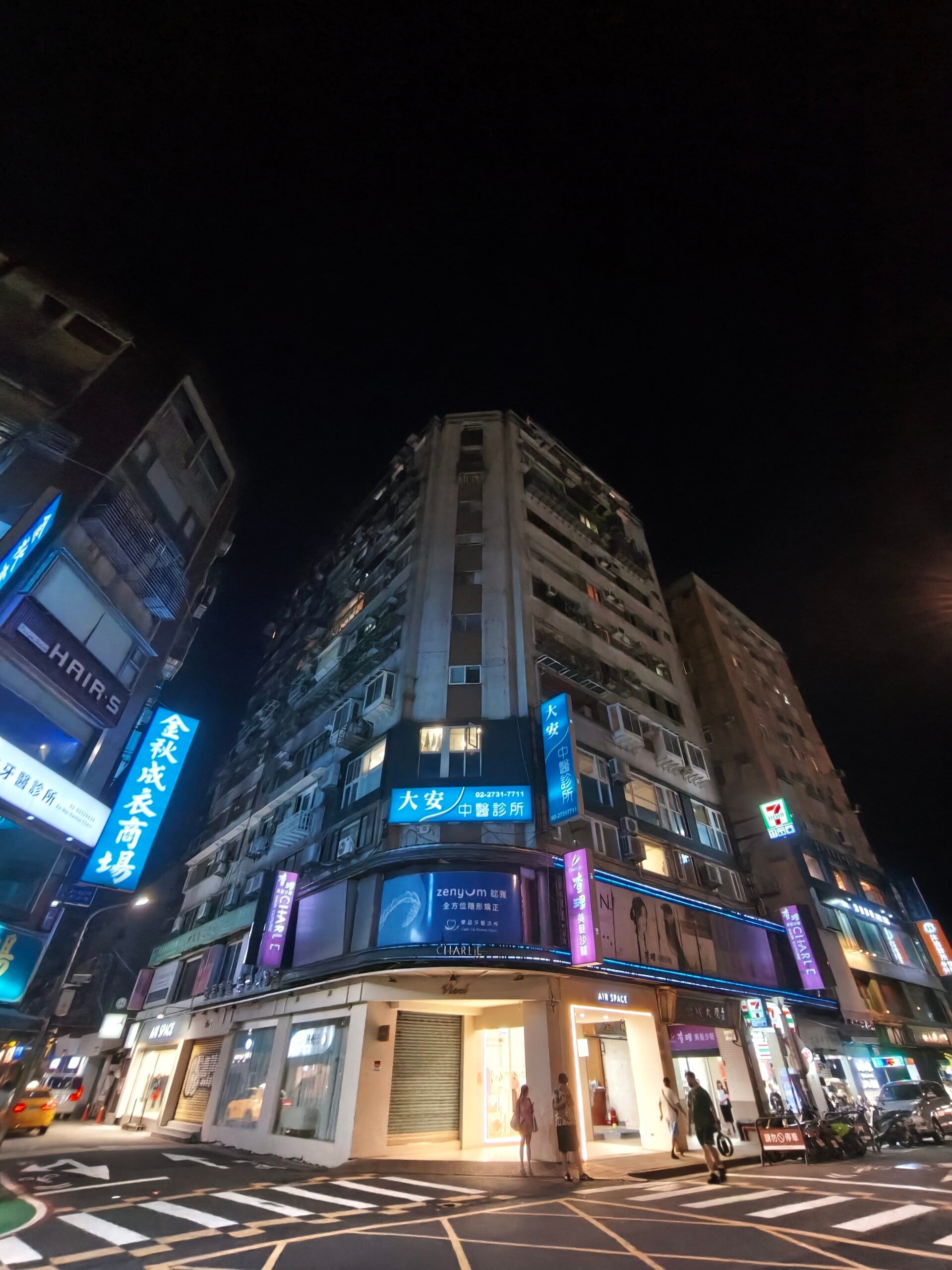








While the main camera is a top-tier shooter, the real fun is with the periscope telephoto camera. The 5x optical lens, with a 115mm equivalent focal length, is surprisingly addictive. A more conservative 3x camera is definitely more flexible, especially for portraits where you don’t want to step several meters back. But something about this 5x camera kept making me look for the next frame.
My visit to Taiwan for Computex 2026 basically turned me into a street photographer. That compressed look made streets, buildings, and skies feel extra dramatic. Add the Leica filters, and my social media feed was doing numbers.
It’s not perfect, though. Low-light performance from the telephoto is a bit of a miss. You need really steady hands in the evening, because a little movement can ruin what would otherwise be a great shot. But when it gets it right, you can see great detail and texture in each frame.



The ultra-wide-angle lens and selfie cameras are the only slight ones that are a slight letdown. In the day, both do a decent job with details and color reproduction. The ultra-wide manages dynamic range well and doesn’t feel too far behind the main or telephoto. Although there are the usual soft corners and lens distortion in the corners. This becomes more noticeable in the evenings. Lacking autofocus also means you’re not getting macro support on this lens, or better details in low light.
The ultrawide and selfie cameras are the weaker links. In daylight, both do a decent job with detail and color reproduction. The ultrawide manages dynamic range well and doesn’t feel too far behind the main or telephoto in good light. But you still get the usual soft corners and distortion near the edges, and this becomes more noticeable in the evening. The lack of autofocus also means you don’t get proper macro support or better close-up flexibility.




The front camera also misses out on autofocus, which can make some selfies look soft. It isn’t outright bad, but you’d expect something better from a premium Pro model. For video, the Xiaomi 17T Pro’s main camera supports up to 8K at 30fps or 4K at 120fps. The telephoto maxes out at 4K 60fps, while the ultrawide and selfie cameras are limited to 4K 30fps, though there is support for 1080p 60fps.
The primary camera is the best video shooter of the lot, with great detail and strong contrast. Colors are a little vibrant, but they look good overall. For the most part, I didn’t notice major jitters during panning shots. Unfortunately, the 5x telephoto is harder to stabilize. That isn’t a big issue during the day, but it does get noisy quickly at night. The ultrawide is just fine. Nothing too bad, nothing too impressive.
The Xiaomi 17T Pro isn’t the most technically perfect camera phone at this price. Though that was never really what it was going for. What you do get is a really enjoyable camera experience.
Camera score: 8.5/10
Software
Quick take: HyperOS 3 is deeply customizable and packed with useful tricks
The Xiaomi 17T Pro runs Android 16 with HyperOS 3, and this is a highly customized Android skin. If you like tweaking your phone, there’s a lot to play with here. Fonts, fingerprint animations, system animations, Always-On Display styles, home screen behavior, and plenty more can be adjusted.
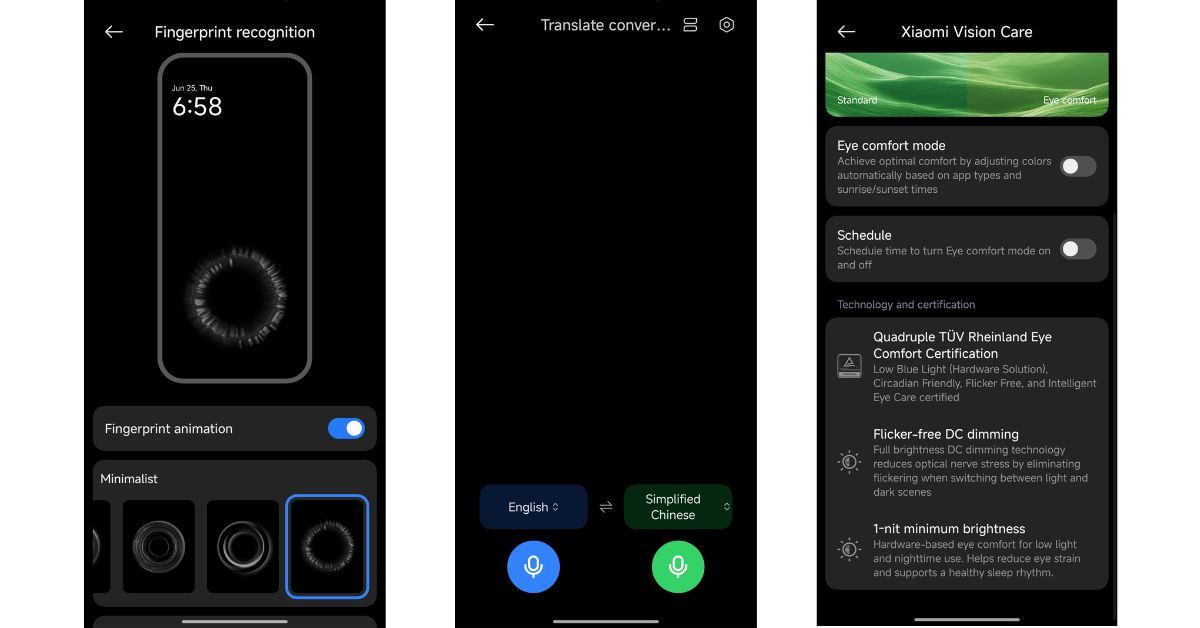
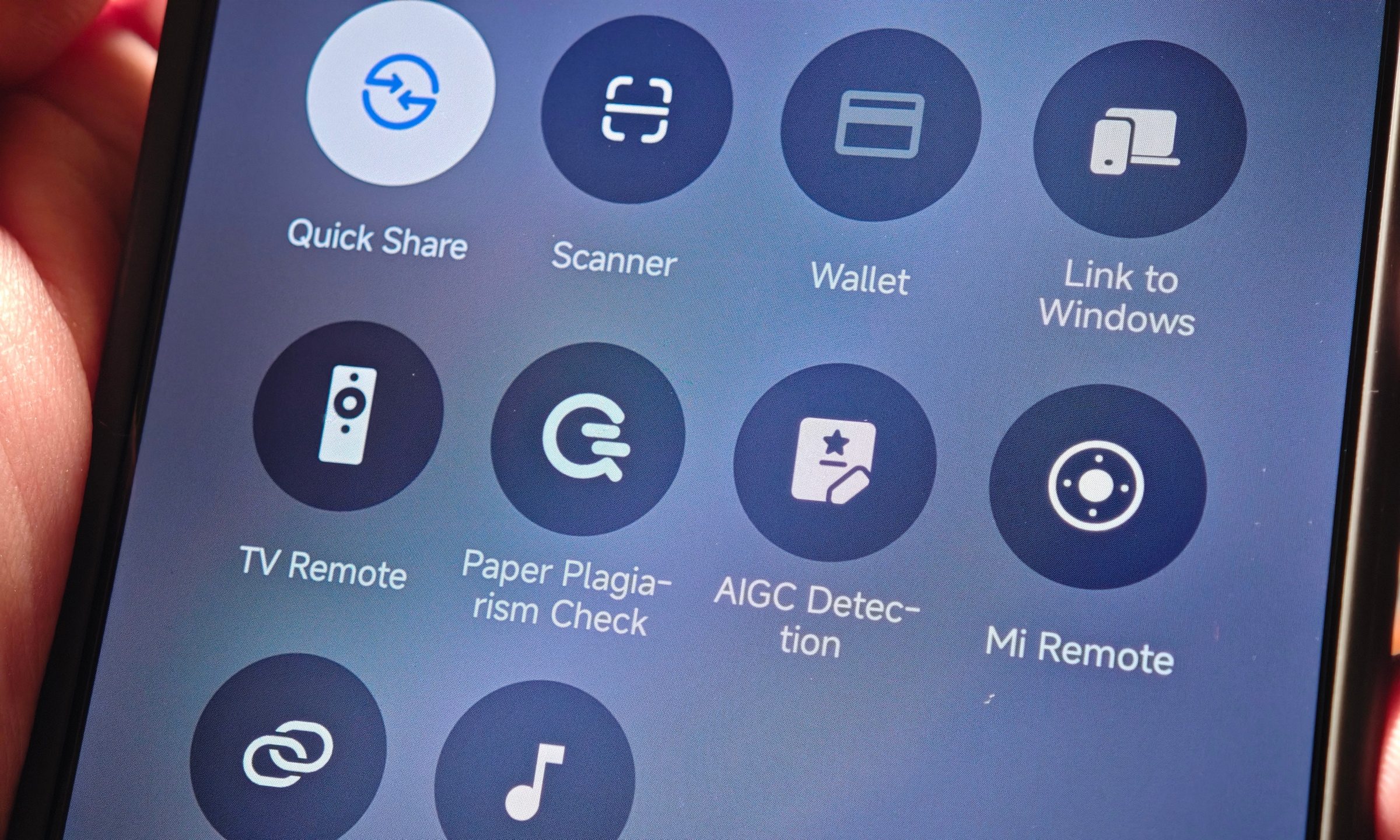
Customization is clearly a highlight, but Xiaomi also adds some genuinely useful features. One that I used quite a bit is the Mi Remote app, which lets you control TVs and other home appliances from the phone. It’s a small feature you don’t think about much until you need it, and then suddenly it feels essential.
Live Translation also came in handy during my trip to Taiwan. Having it directly accessible from the quick settings panel made it useful on the go, rather than something buried deep enough that I’d forget it existed.
However, HyperOS still carries some familiar Xiaomi baggage. The design language feels very close to iOS in places, and the Super Island is basically Xiaomi’s take on Apple’s Dynamic Island. To be fair, this isn’t just a Xiaomi thing anymore. Oppo’s ColorOS and OnePlus’ OxygenOS have also moved in a similar direction. But Xiaomi still gets close enough that you’ll notice.
The good news is that Xiaomi adds enough personal touches to keep HyperOS from feeling like a complete imitation. It’s feature-rich, quick, and packed with options. The less-good news is that it can also feel busy, especially if you prefer the calmer, cleaner software approach of a Pixel.
Aside from the Google and Meta suite of apps, bloatware was thankfully kept at a minimum. The only pre-installed apps are ones from Xiaomi and WPS Office that work with some of its built-in AI features like Paper Plagiarism Check and AIGC (AI-generated content) Detection.
Software score: 7.5/10
Should you buy the Xiaomi 17T Pro?
The Xiaomi 17T Pro is one of those phones that surprised me with its polish. It isn’t the absolute best at everything, and yet, the experience is still great. It has a premium design, a beautiful screen, excellent battery life, fast charging, strong performance, and a camera system with actual personality.
The biggest reason to buy it is the balance. The Xiaomi 17T Pro doesn’t feel like a stripped-down alternative to an Ultra phone. It feels like a slightly more sensible premium flagship with a few compromises you can actually live with. The battery life is excellent, gaming performance is strong, and the Leica-tuned cameras make shooting photos fun in a way many technically good camera phones don’t always manage.

But it isn’t perfect. The phone is big and slippery, the optical fingerprint scanner feels underwhelming at this price, the ultrawide and selfie cameras aren’t as strong as the main and telephoto cameras, and some won’t be comfortable with HyperOS.
But I can definitely recommend the Xiaomi 17T Pro if you’re looking for a premium Android phone with excellent battery life, fast charging, top-tier performance, and a camera system with some flavor. You should skip it if you want the cleanest software, the best point-and-shoot camera consistency, or a smaller phone that’s easier to handle.
Why not try…
OnePlus 15
The OnePlus 15 is the obvious alternative if performance, gaming, and battery life are your biggest priorities. It has Qualcomm’s top-end Snapdragon 8 Elite Gen 5 chip, strong sustained-performance tuning, and excellent endurance. It also charges faster at 120W and includes the high-power adapter in the box, which Xiaomi buyers may not get depending on the region.
Samsung Galaxy S26 Plus
The Galaxy S26 Plus is the safer premium Android pick if you want Samsung’s polish, long software support, and a more familiar flagship experience. It also performs extremely well, with Geekbench 6 scores that edge ahead of the Xiaomi 17T Pro in both single-core and multi-core testing.

Google Pixel 10 Pro XL
The Pixel 10 Pro XL is the alternative for camera-first buyers who want Google’s processing, Pixel software, and AI features. Its camera system is excellent, especially if you like vibrant, polished, social-media-ready shots and Google’s computational zoom tricks.
How we tested
I used the Xiaomi 17T Pro for around a month as part of my regular daily routine. My testing included social media, messaging, calls, browsing, streaming, camera use, travel, and gaming. I also used the phone during my Computex 2026 trip to Taiwan, where the camera system, especially the 5x telephoto lens and Leica filters, saw heavy use.
For performance testing, I used Geekbench 6, AnTuTu, and 3DMark, including Wild Life Extreme, Steel Nomad Light, and Wild Life Extreme Stress Test. I also played PUBG Mobile and Zenless Zone Zero to check real-world gaming performance, frame rate behavior, and thermals.
Battery life observations were based on mixed daily use across regular app usage, camera testing, gaming, and media consumption. Charging tests were conducted using the included fast charger.
FAQs
Does the Xiaomi 17T Pro have good battery life?
Yes. Battery life is one of the Xiaomi 17T Pro’s strongest points. The 7,000mAh battery comfortably lasted more than a full day in my use, and I could often stretch it close to two days depending on how heavily I used the camera, games, and display.
How fast does the Xiaomi 17T Pro charge?
The Xiaomi 17T Pro supports 100W fast charging. In my testing, it charged from around 1% to 75% in roughly 30 minutes, while a full charge took around 45 minutes.
Is the Xiaomi 17T Pro good for gaming?
Yes, the Xiaomi 17T Pro handles gaming really well. PUBG Mobile ran smoothly at 90fps, while Zenless Zone Zero stayed close to 60fps on High settings, with only a few occasional drops during busier scenes. The phone gets warm, but it never becomes uncomfortable during regular gaming.
Are the Leica cameras on the Xiaomi 17T Pro worth it?
The Leica tuning is one of the main reasons to consider this phone. The main camera is reliable, the 5x telephoto is genuinely fun for street photography, and the Leica Authentic and Leica Vibrant modes give photos a distinct character. The ultrawide and selfie cameras are weaker, but the overall camera experience still has a lot of personality.
Should you buy the Xiaomi 17T Pro over the OnePlus 15 or Galaxy S26 Plus?
Buy the Xiaomi 17T Pro if you want a phone with excellent battery life, fast charging, strong performance, and a more stylized Leica camera experience. The OnePlus 15 is better if sustained performance and raw endurance are your top priorities, while the Galaxy S26 Plus is the safer pick if you want Samsung’s polish and long-term software confidence.