








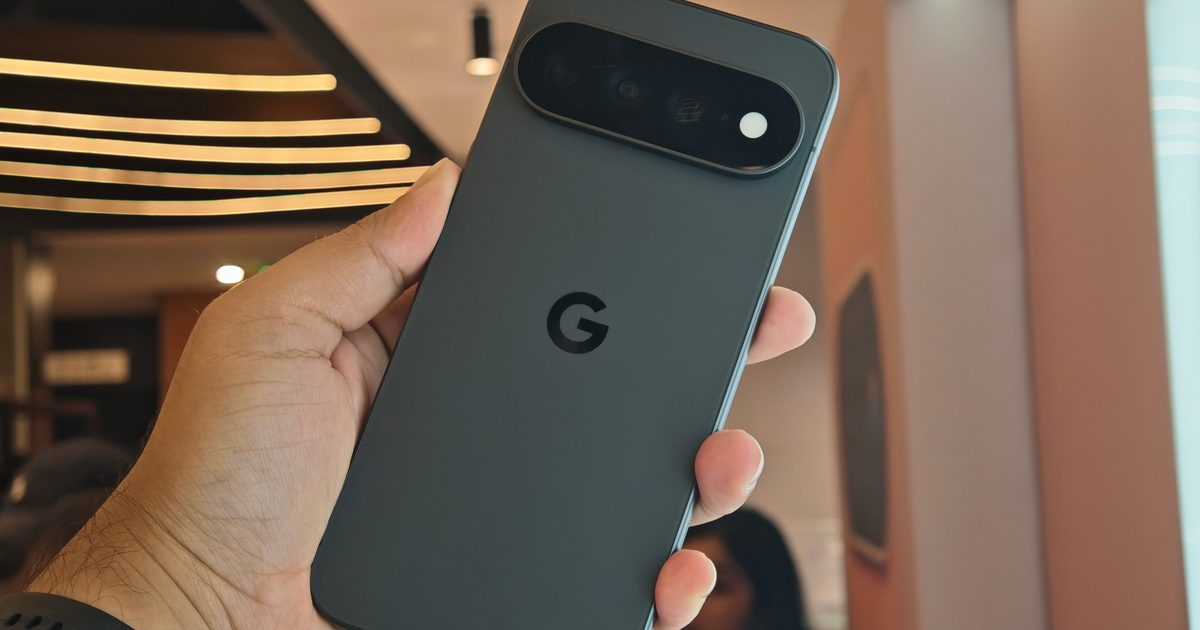
Google already made some pretty phones, and the new Pixel 11 Pro series just got even better-looking. Recent Pixel Pro models have been among the most premium Android phones I’ve spent time with, and a few minutes with the Pixel 11 Pro and Pixel 11 Pro XL told me Google is refining the formula even further.
The Pixel 11 was a surprisingly compelling base flagship, and the Pixel 11 Pro and Pixel 11 Pro XL continue the strong first impressions. The phones are lighter, the camera visor is slimmer, the screens are brighter, and the smaller Pro finally gets faster Pixelsnap charging. Google also throws in HiLight and a refreshing new way to experience its camera software.
I couldn’t properly explore the new Gemini features because Google’s demo units weren’t signed into personal accounts, and performance, battery life, thermals, and Tensor G6 obviously need proper testing. But what I could experience left a very strong first impression.
The matte Obsidian Pixel 11 Pro is gorgeous
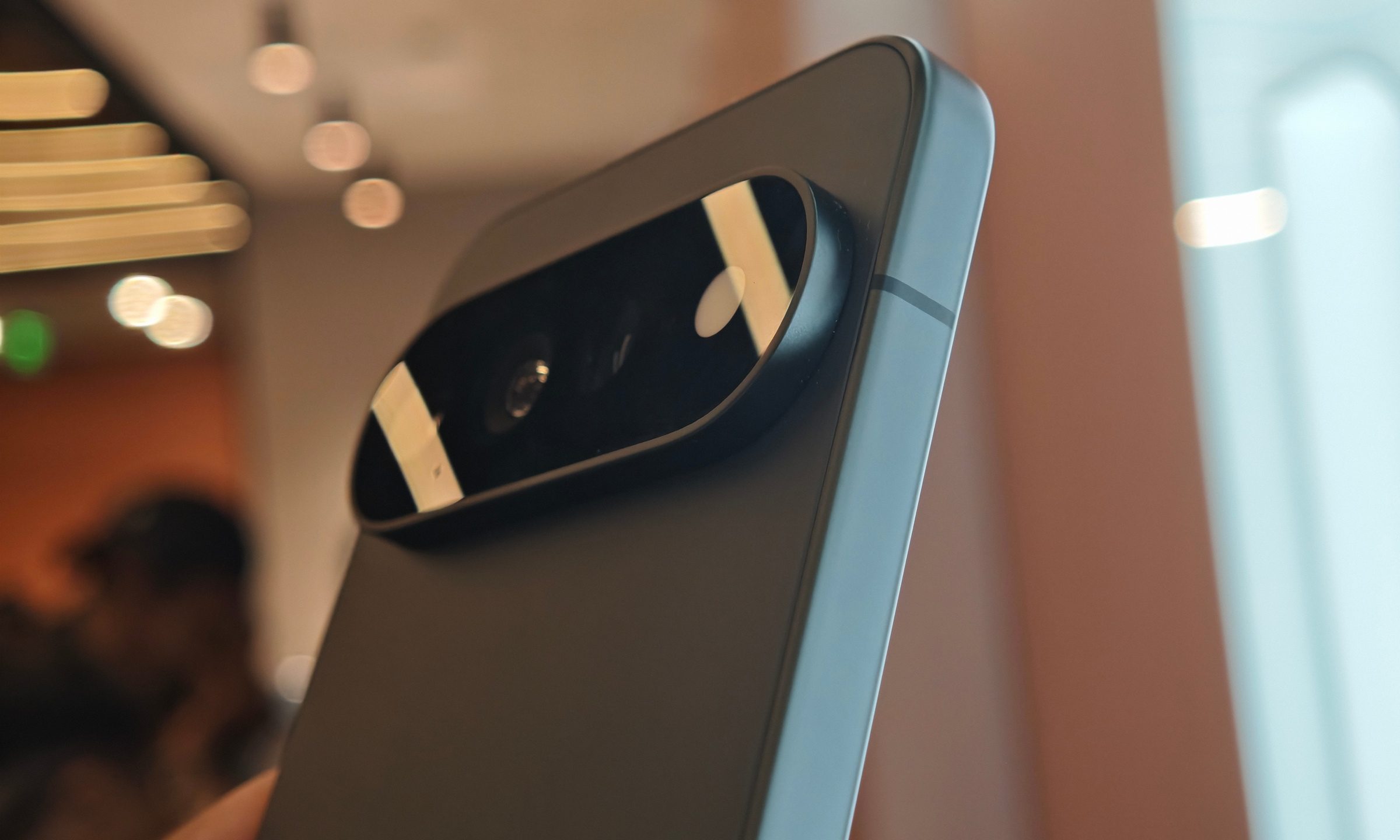
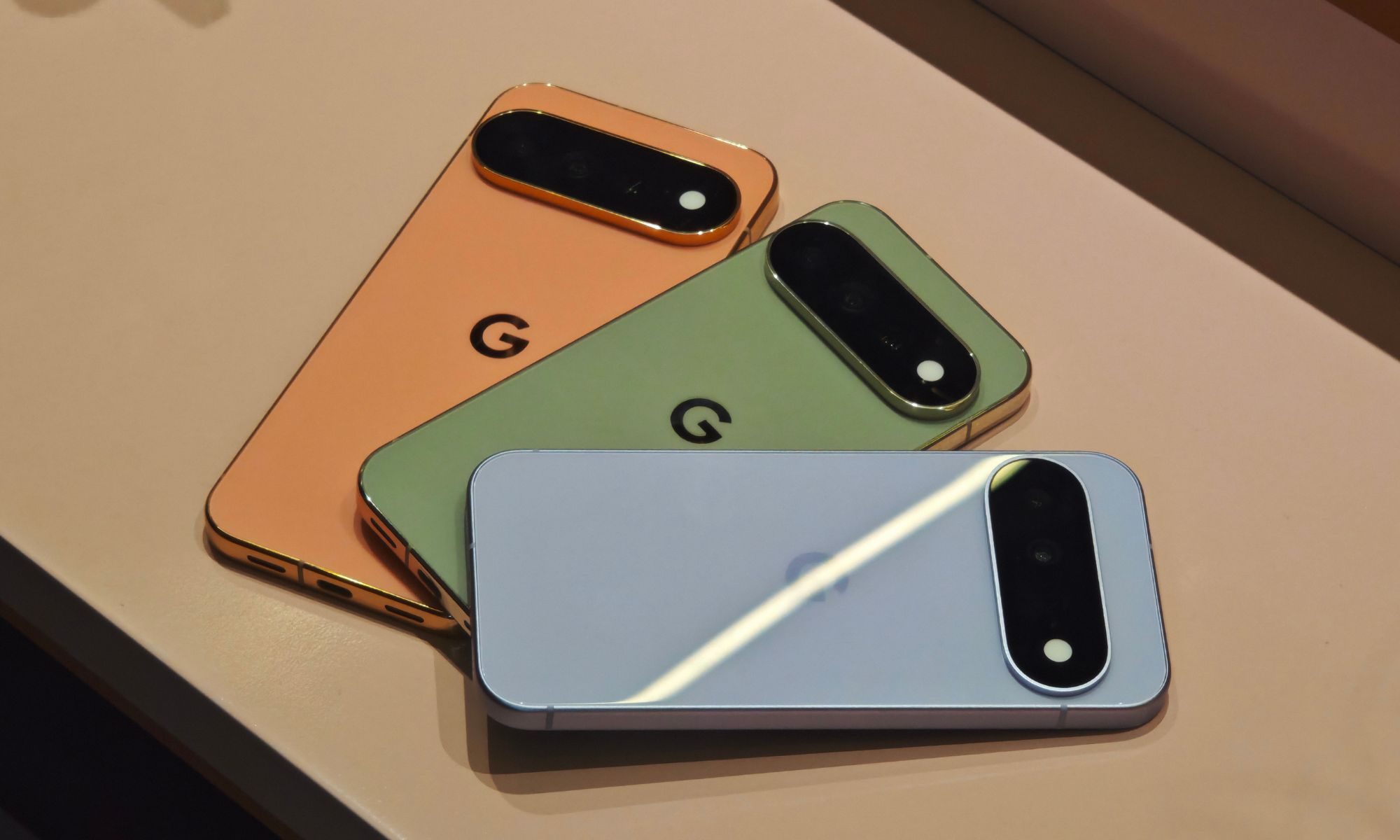
The redesigned camera visor is the first improvement I noticed. Google keeps its familiar pill-shaped identity, but the housing sits much closer to the rear panel now. Looking at the phone from the side makes the difference particularly obvious. The cameras still protrude; they’re just far less dominant now.
Google even shaved a little weight off. Though the difference isn’t something you would realistically notice. The Pixel 11 Pro drops from 207 grams to 204 grams, while the Pro XL falls from 232 grams to 226 grams, compared with their Pixel 10 equivalents. But the greatest hit with the design is the new Obsidian colorway with a matte finish.

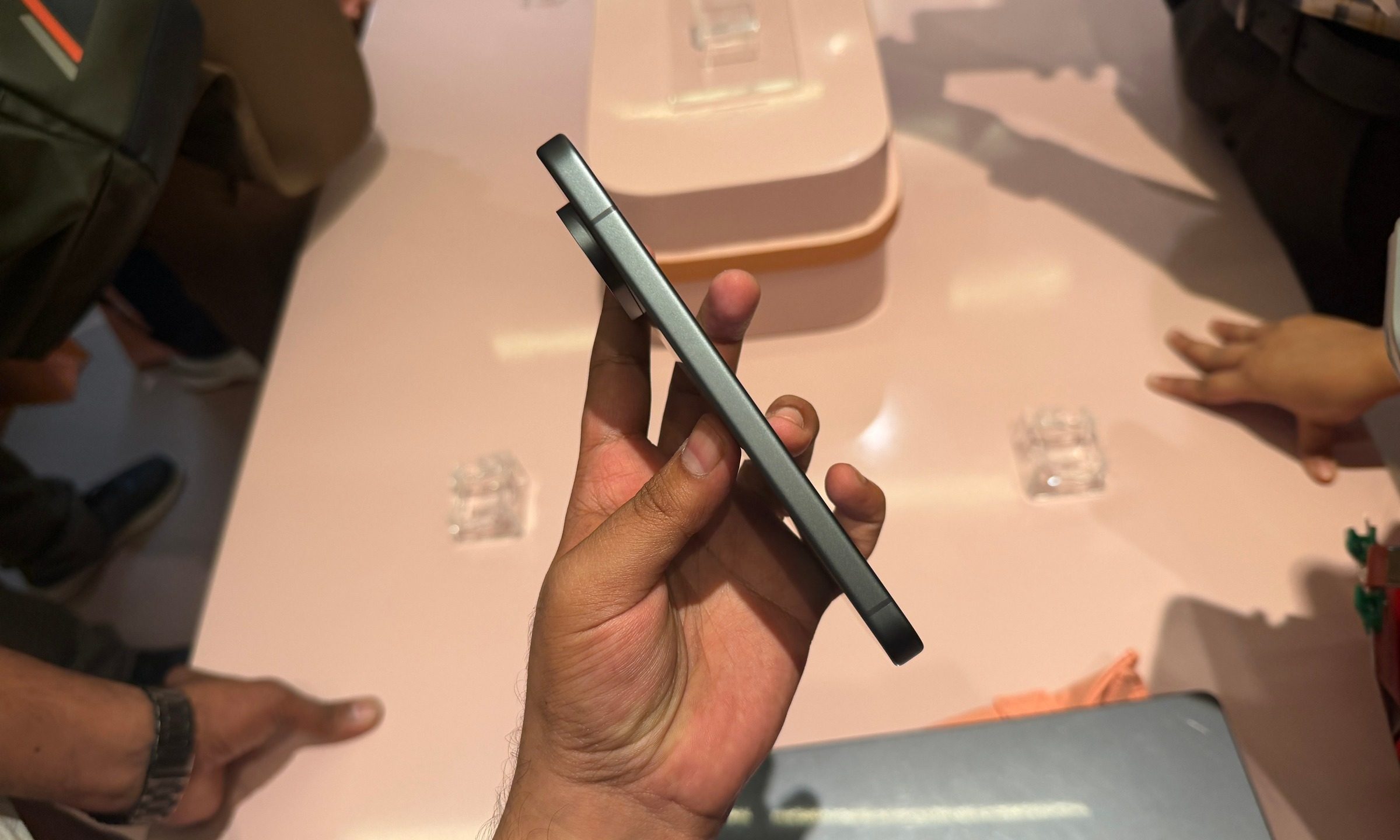
I’ve appreciated the shinier frames and finishes Google has used on previous Pixels, but this matte treatment immediately became my favorite of the new colors. The dark camera visor, understated rear panel, and matching Google logo give it an almost stealthy appearance. The other colors have more personality, and yet, this is the Pixel 11 Pro I’d actually buy.
HiLight is clever. So give me more of it
HiLight is probably the smallest Pixel 11 Pro addition that made the biggest impression on me. Google uses subtle colored lighting around the rear flash when the phone is lying face down. Right now, its main uses include signaling calls from favorite contacts and providing visual feedback during hands-free Gemini interactions.

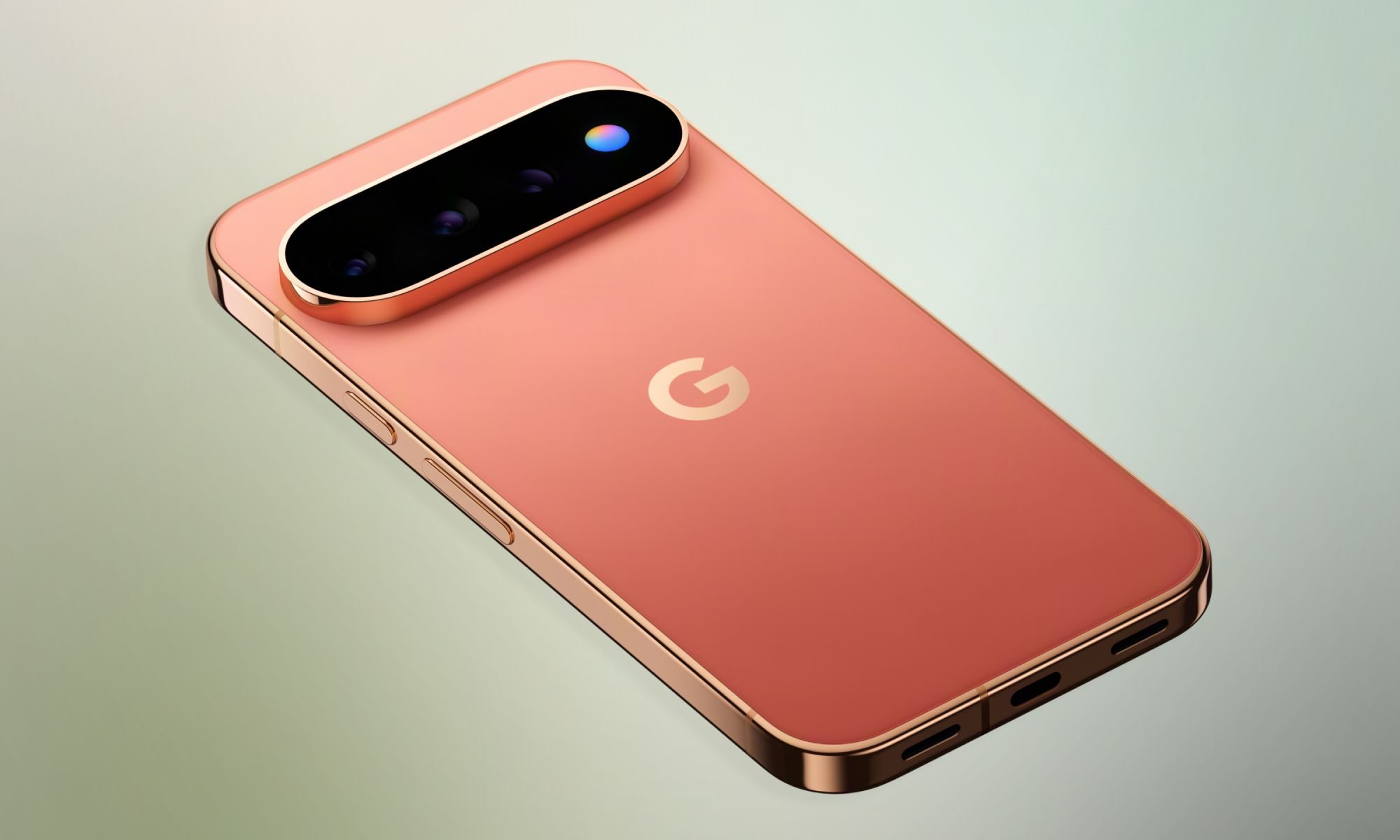
At this point, it becomes easy to see the potential. A quiet rear light is a great way to communicate information without illuminating the entire screen. Let me assign colors to messaging apps. Use it for timers, charging status, or select notifications like reminders.
Google already has the hardware sitting there. Now, I want Google to treat it better by expanding what it can communicate.
The Pixel camera finally wants me to play around
Pixels have spent years mastering the dependable point-and-shoot camera. Take the phone out, hit the shutter, and Google’s processing generally delivers something good. Camera Coach on the Pixel 10 series basically added training wheels to this formula by using Gemini to suggest framing, lighting, zoom, composition, and suitable modes.
But the Pixel 11 series seems to take you more seriously. I didn’t expect much to change with the camera app on its new Pixels, but Camera Looks caught me by surprise. You no longer have to accept Google’s processing every time. Now, you get to choose Natural for a softer approach to detail, Shadows for deeper contrast, or Vanilla for a warmer appearance.
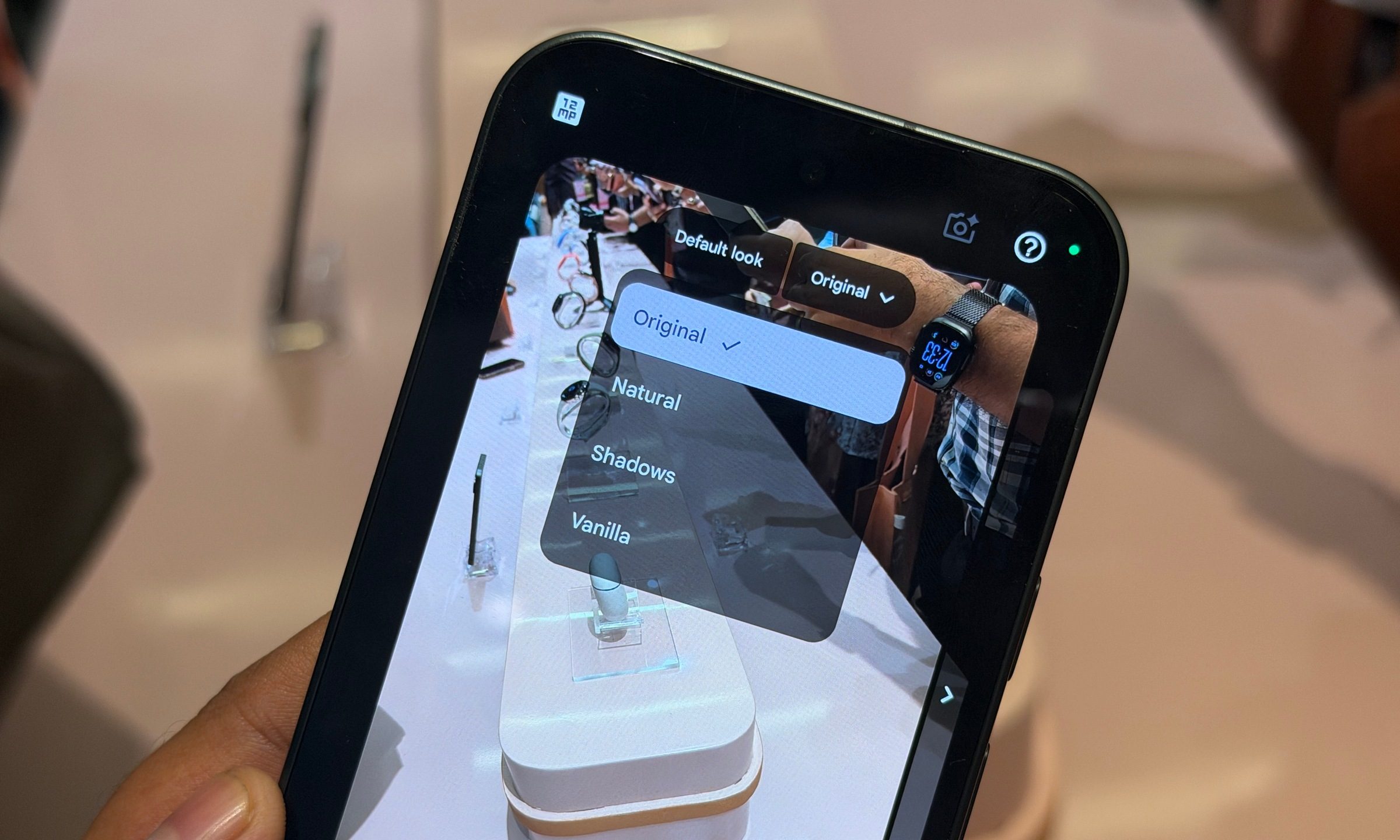
There’s also a bunch of preset filters—Digi, Black Tie, Minimal, Editorial, Classic, and Velvet—that push things further. That’s not all; Google is also letting you customize them further. In the demo units’ camera interface, I could adjust contrast, highlights, shadows, vibrance, and tint directly.
I love to see this. I’ve enjoyed Leica’s different photographic styles on Xiaomi phones because choosing a look for your pictures makes the experience a lot more engaging. Google has historically given me reliability, while the Pixel 11 is starting to give me more authorship over the result.
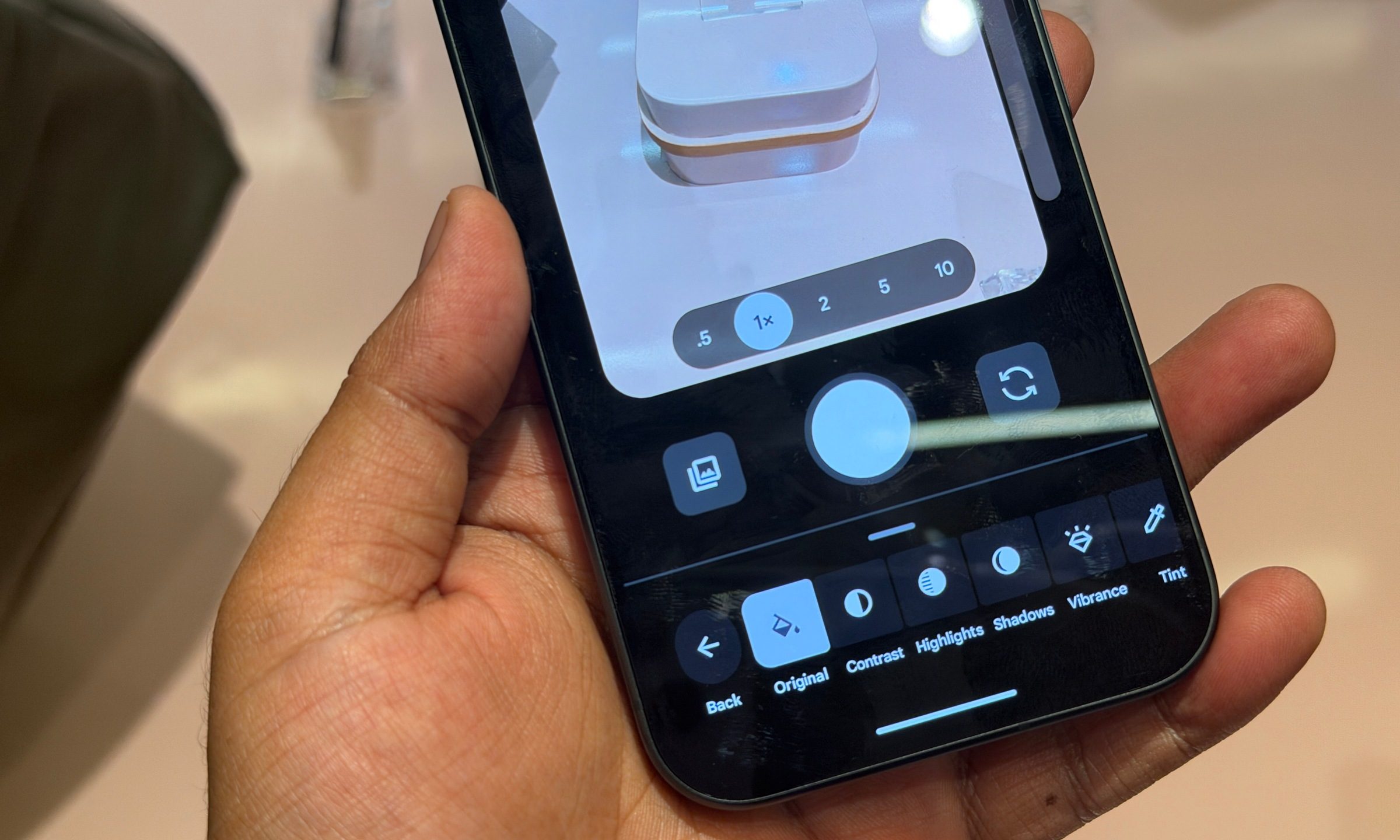
I couldn’t judge image quality properly inside a crowded demo space, but this feature has great potential–especially paired with the new camera hardware upgrade. The Pixel 11 Pro and Pixel 11 Pro XL get a new 48MP 5x telephoto with a larger sensor, while Google’s computational processing now pushes Pro Zoom to 120x. Instant Night Sight can also capture low-light shots up to 4.5 times faster, according to Google.
The everyday upgrades make sense
Several other improvements target everyday convenience. Both Super Actua displays now reach 3,600 nits, up from 3,300 nits on the Pixel 10 Pro generation. They looked wonderfully bright under the harsh lighting at Google’s demo event.
The regular Pixel 11 Pro also finally gets 25W Pixelsnap wireless charging, matching the speed previously reserved for the Pixel 10 Pro XL. The Pixel 10 Pro topped out at 15W. Google’s growing magnetic accessory ecosystem also adds a lot more versatility, just like Apple’s MagSafe.
Tensor G6 also opens the door to more advanced on-device AI, computational photography, and features such as Instant Night Sight. But that’s as far as I’m willing to go after a short hands-on.
My first impression of the Pixel 11 Pro family comes down to refinement. Google has trimmed the camera visor, reduced the weight, increased display brightness, improved Pixelsnap on the smaller phone, upgraded the telephoto camera, and added HiLight. It even dropped Camera Looks, which gave Google’s famously dependable camera a bit more experimental than before. I’ll need considerably longer with both phones, but I hope the matte Obsidian Pixel 11 Pro drops on my table soon.

