





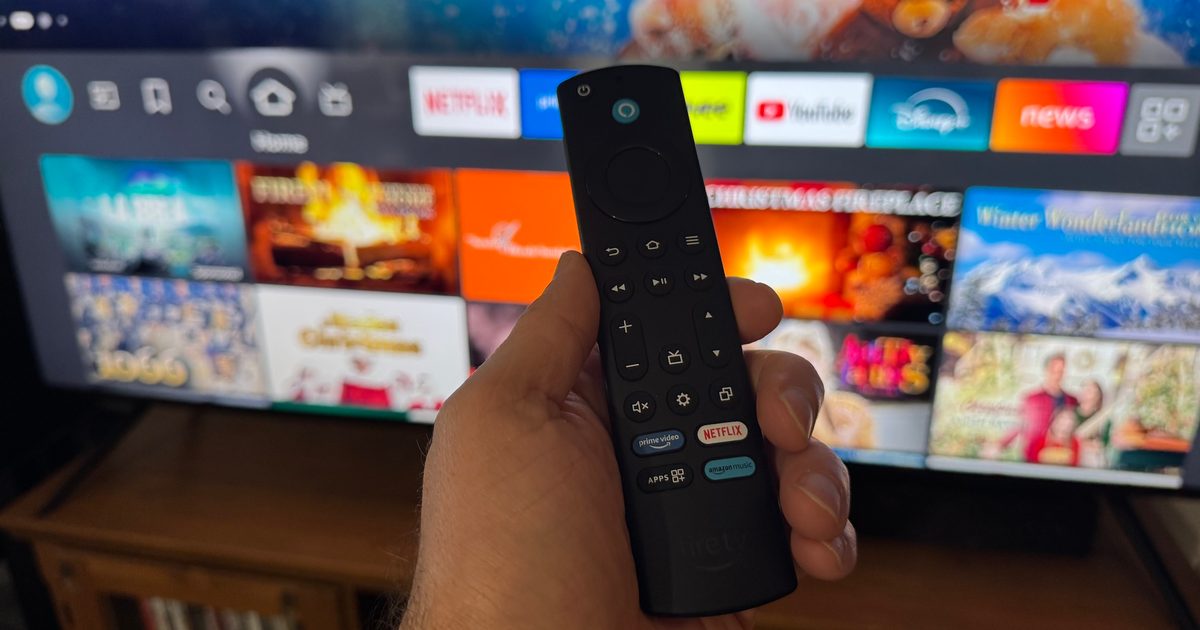
If you have ever scrambled for the remote because a commercial is suddenly blasting twice as loud as the show you were watching, relief is on the way.
Starting July 1, California is making it illegal for streaming platforms to run ads louder than the content they interrupt. Governor Gavin Newsom signed the bill, known as SB 576, back in October 2025, and it finally takes effect this week.
Why does this law exist, and what does it actually change?
Broadcast, cable, and satellite TV providers have followed similar volume rules since 2010 under the Commercial Advertisement Loudness Mitigation (CALM) Act, but streaming services were never required to match that standard. Now, SB 576 closes that gap.
State Senator Tom Umberg, who authored the bill, said it was inspired by an exhausted parent whose sleeping baby kept getting jolted awake by blaring streaming commercials.
The law only applies to viewers in California for now, though Illinois has passed a similar measure set to take effect in 2027, which gives streaming companies more reason to apply these volume fixes nationwide rather than state by state.
The pushback from streaming companies
The streaming industry, however, wasn’t exactly thrilled about it. The Motion Picture Association and the Streaming Innovation Alliance, groups representing companies like Netflix, Disney, and Amazon Prime Video, opposed the bill.

They argued that many platforms already work to manage inconsistent ad volume caused by server-side ad insertion, where commercials are layered into a stream using different encoding methods than the show itself. Streaming services also have to account for ads playing across phones, tablets, and TVs, which makes volume consistency trickier than it sounds.
No streaming service has explained exactly how it plans to comply yet, but if California’s rule pushes real change, your next loud commercial interruption might finally sound a lot more bearable.