



Before our gadgets became silent glass rectangles, they complained constantly. Dial-up modems screeched through every connection, while dot-matrix printers sounded like they were slowly chewing through the desk.
The Museum of Endangered Sounds keeps that irritating soundtrack alive. It first appeared in 2012, but the site is still online 14 years later, inviting visitors to hear technology that has mostly disappeared from everyday life.
What can you hear inside
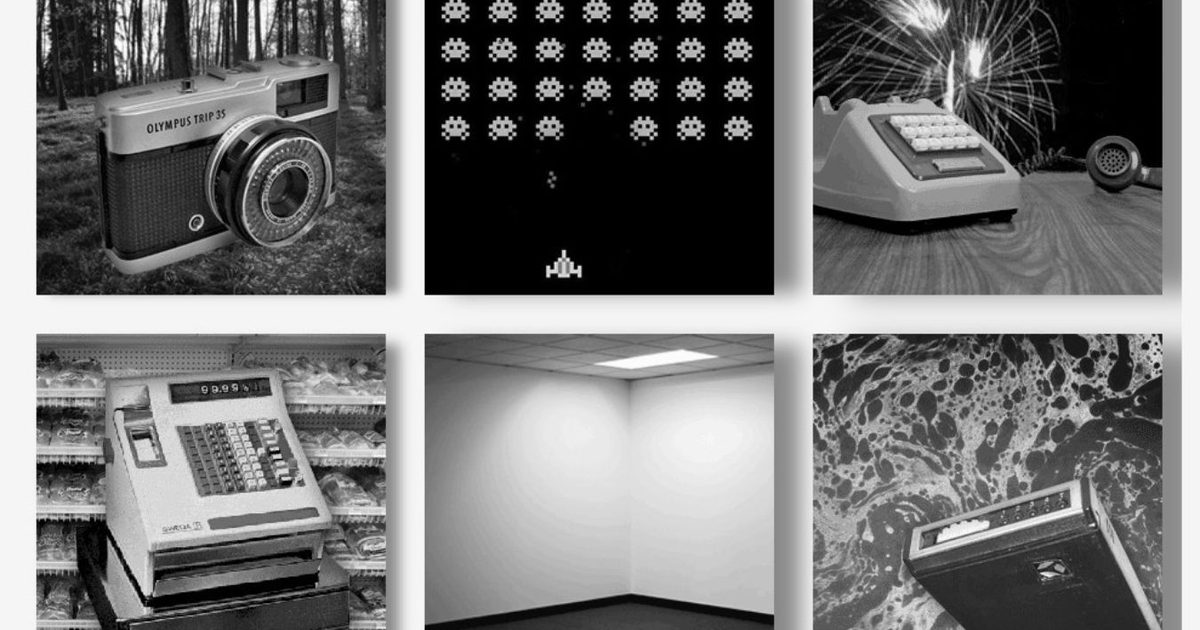
The museum is essentially a soundboard for obsolete tech. Click an image and the corresponding relic wakes up again. The collection jumps from the electronic tantrum of a 56K modem to the strangely soothing startup music from Windows 95.
Other exhibits preserve mechanical rituals younger visitors may never have encountered. Loading a VHS tape once involved a satisfying series of clunks and whirs. Saving something to a floppy disk produced enough grinding to make data loss feel imminent.
You can also play several exhibits at once. That turns a gentle nostalgia trip into something resembling an electronics shop collapsing in real time.
Who built this strange museum
The site claims to be run by Brendan Chilcutt, an eccentric collector with eight gerbils and a suspiciously ambitious plan for preserving old sounds. He is, fittingly, another artifact manufactured by the internet.
Chilcutt was a fictional curator created by advertising students Phil Hadad, Marybeth Ledesma, and Greg Elwood. The idea took shape after Hadad noticed that the physical keys of a BlackBerry made a distinct sound while an iPhone touchscreen remained quiet.

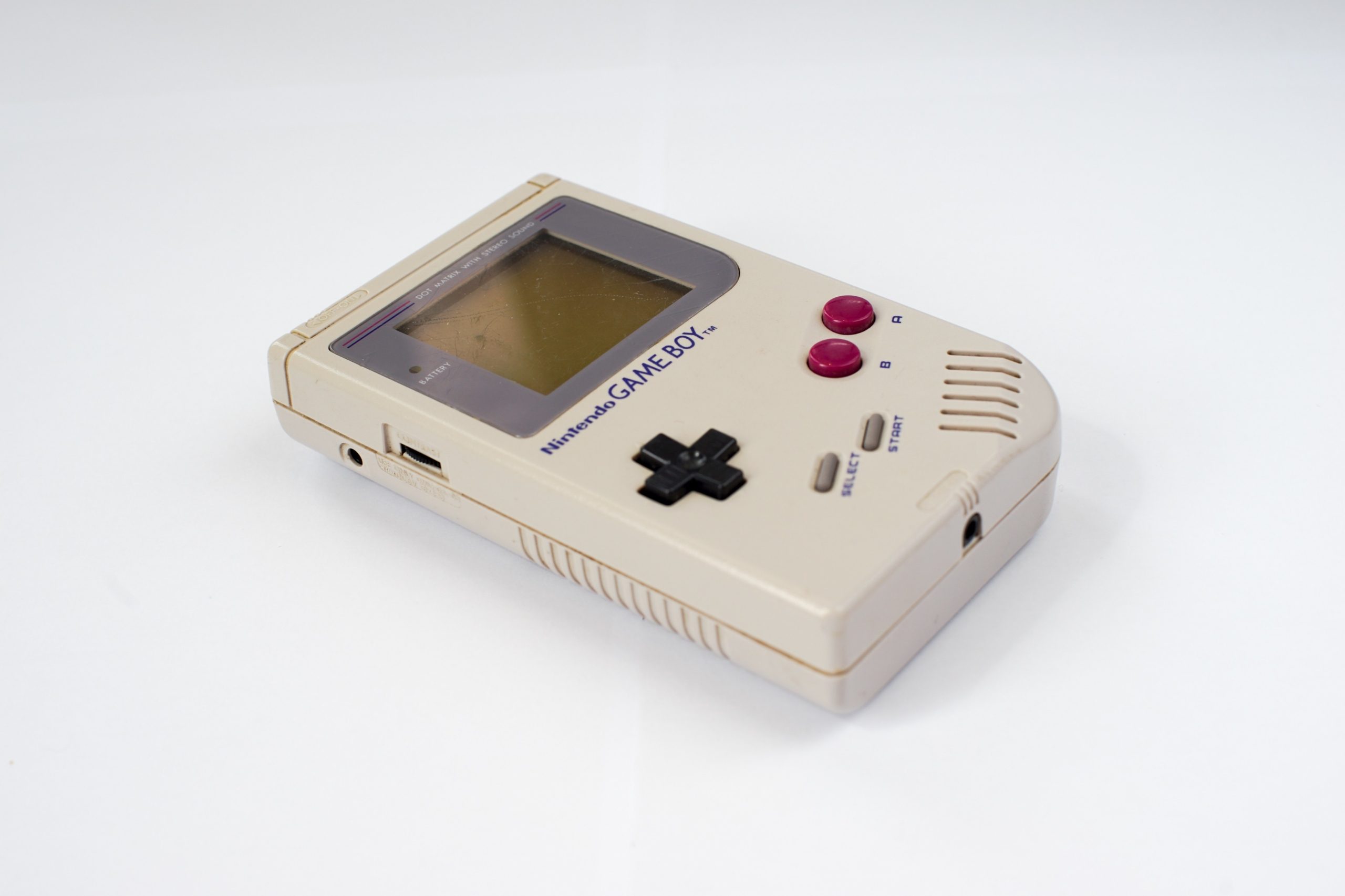
That small contrast raised a larger question. What does technology lose when all its moving parts and mechanical interfaces disappear?
Why do these noises linger
Older gadgets provided a running commentary on whatever they were trying to do. Even without looking, you could tell when a computer was connecting or a tape had finished loading. Modern devices usually offer little more than a vibration or artificial chime.
The museum’s promised ten-year preservation plan doesn’t appear to have reached its grand conclusion. Its old layout and deliberately overwrought writing now feel as much like exhibits as the sounds themselves.
Visit it while the old internet is still answering the door.