






The Pixel 10a is a solid mid-range smartphone to consider for its $499 asking price. You get Google’s seasoned and packed software experience, capable computational photography despite the tiny camera, and a great form factor. But underneath all of this, the hardware has barely moved. It earned its keep with software. Now, out of all the brands, Sony seems like a surprisingly competent rival in this segment.
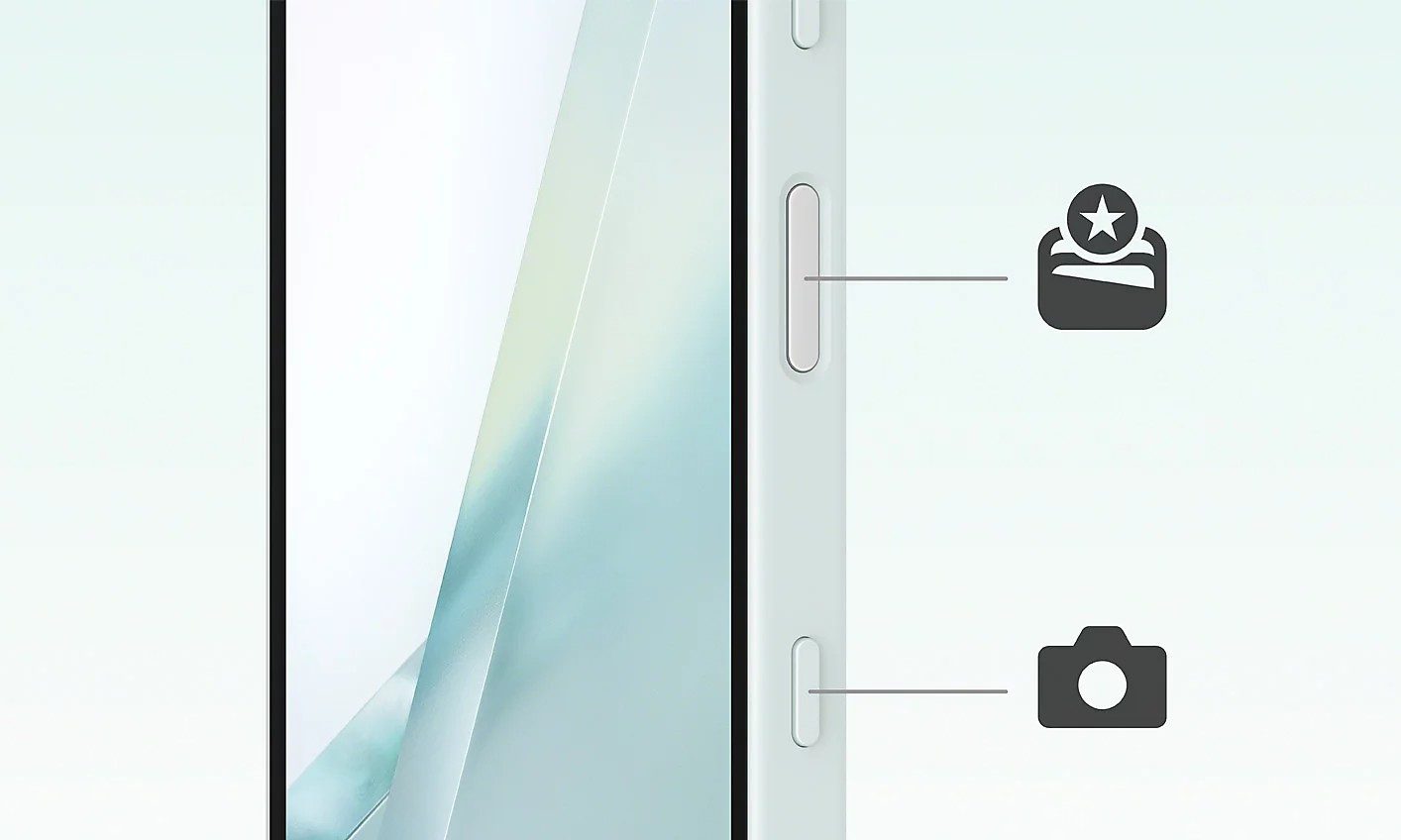
Sony has just launched a phone that approaches the same problem from a wonderfully different direction. The new Xperia 10 VIII still gives you a 3.5mm headphone jack, microSD expansion up to 2TB, a dedicated physical camera shutter button, front-facing stereo speakers, and a side-mounted fingerprint sensor.
Sony refuses to kill the useful stuff
I’ve gotten used to manufacturers telling me expandable storage and headphone jacks had to disappear. While the headphone jack appeared to be an “exclusive” feature for dumb phones or budget devices, the company is keeping it alive for modern-day smartphones. The Xperia 10 VIII pairs 128GB of internal storage with microSD support, while the headphone jack sits alongside Sony’s Hi-Res Audio, LDAC, aptX Adaptive, and 360 Reality Audio support.
Meanwhile, the dedicated shutter button can launch the camera even while the display is off, giving photography its own physical control instead of another touchscreen shortcut. Sony has upgraded the hardware you interact with every day too. Its 6.1-inch 120Hz OLED is about 50% brighter than the Xperia 10 VII’s display, while revamped front stereo speakers are around 15% louder overall and deliver more than 30% stronger low-frequency output. The phone remains unusually compact at 153mm tall and weighs just 168 grams.
A 5,000mAh battery rounds things out, with Sony claiming two days between charges and battery-health measures designed to preserve capacity over four years. You also get IP65/IP68 protection and Gorilla Glass Victus 2. During the war against headphone jacks, brands claimed that removing this essential jack helped free up internal space and improve water resistance. So the Xperia 10 VIII is just another example of how there was a workaround that did not involve getting rid of the port entirely.
I can’t lie, it is a little expensive
Sony’s old-school hardware philosophy doesn’t mean everything here is as aggressive. The Xperia 10 VIII sticks with the ageing Snapdragon 6 Gen 3, 8GB of RAM, and largely familiar camera hardware, including a 50MP main sensor and 13MP ultrawide. That isn’t such a stacked offering once you look at its regional pricing. €599 in Europe and £549 in the UK, up from €449 and £399 for last year’s Xperia 10 VII.

The company wasn’t safe from the RAMpocalypse either. The new model arrives in mid-to-late September, and Sony still doesn’t sell its Xperia phones officially in the US. Sony promises four OS upgrades and six years of security updates, which is solid. Google gives the cheaper Pixel 10a seven years of OS and security updates, alongside a much richer collection of Pixel-exclusive AI and calling features.
These phones are fascinating opposites. The Pixel 10a wants you to care less about the spec sheet because its software is so useful. Sony, on the other hand, reminds me that classics like the headphone jack, expandable storage, proper speakers, and a physical camera button can still make a phone desirable too. I just wish Sony hadn’t attached a €150 price hike to the reminder.