




Kids are using AI for their homework, and half of their parents are not sure that’s a good thing. Deloitte’s 2026 Back-to-School Survey, which polled 1,207 parents of K-12 students, found that 49% worry their child relies on AI too much.
The findings suggest AI adoption is moving far faster than the policies meant to guide it, leaving many parents unsure how these tools are being used in education.
What the survey found about kids and AI in school
The numbers paint a clear picture of a gap between adoption and oversight. 28% of students already use generative AI in their schoolwork, yet only 33% of schools have guidelines for its use. Only 22% of schools provide or recommend approved generative AI tools to students.
Perhaps most telling, 38% of parents do not even know whether their child’s school has an AI policy at all, pointing to both a communication failure and a policy one.
Meanwhile, 35% of parents say they are concerned schools are not doing enough to prepare students for an AI-driven future. The gap between what kids are doing and what schools are formally acknowledging is widening every semester.
How parents are filling the gap themselves

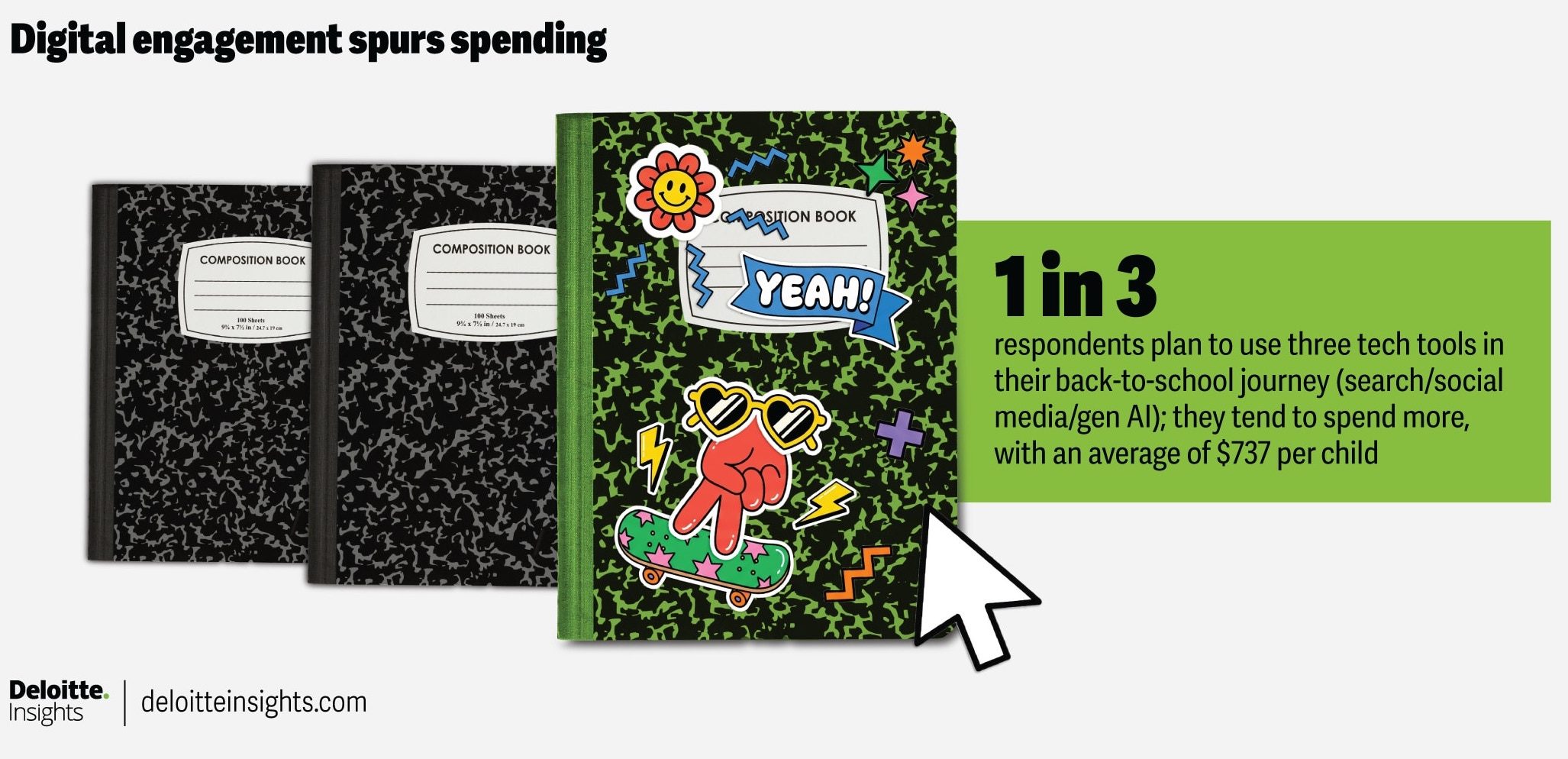
With schools slow to act, some parents are taking matters into their own hands. 13% say they plan to pay for generative AI-related classes or tutoring outside of school, a sign that a private market for AI education is already forming.
Meanwhile, the irony is hard to miss. The same survey found that parents who use generative AI alongside search and social media in their own back-to-school shopping spend an average of $737 per child, nearly double the $381 spent by parents who use no digital tools at all.

This means AI anxiety and AI adoption are growing in the same households simultaneously. If schools do not move faster on AI guidance, parents will keep building workarounds on their own, and the gap between prepared and unprepared students will only get wider.
Since AI is becoming a normal study tool for many students, the bigger question is whether schools can teach children to use it wisely instead of letting it do the thinking for them.