





Microsoft Edge is finally making the same controversial move that Google Chrome did earlier this year, and it could mean the end of some of the browser’s most popular ad blockers. Microsoft has announced that Edge is officially transitioning its extensions ecosystem to Manifest Version 3 (MV3), Google’s newer extension platform that promises better security, privacy, and performance. As part of that shift, the browser will gradually stop supporting older Manifest V2 (MV2) extensions over the coming months, meaning legacy extensions such as the original uBlock Origin will eventually stop working in Edge.
What is Manifest V3, and why is Microsoft adopting it?
Manifest V3 is the latest version of the browser extension framework used by Chromium-based browsers. Microsoft says it offers a more secure architecture by limiting background processes, tightening extension permissions, and reducing the attack surface for malicious extensions. According to the company, the update also improves performance by making extensions more efficient and less resource-intensive.
Microsoft says the transition will happen gradually. Beginning this month, remaining Manifest V2 extensions will start being disabled by default in Canary, Dev, and Beta versions of Edge before expanding to the Stable release in the coming months. Consumer devices are expected to complete the transition by the end of 2026, while enterprise-managed devices will continue supporting MV2 until early 2027. Microsoft also notes that only 58 MV2 extensions on the Edge Add-ons Store still see meaningful usage, and all but three already have Manifest V3 alternatives available.
What this means for Edge users
For most users, the biggest change will affect ad blockers and privacy extensions. Manifest V3 replaces the more powerful WebRequest API with the stricter Declarative Net Request API, meaning older extensions like the original uBlock Origin can no longer work without being rewritten. Fortunately, many developers have already released compatible alternatives, including uBlock Origin Lite, AdGuard, and Ghostery.

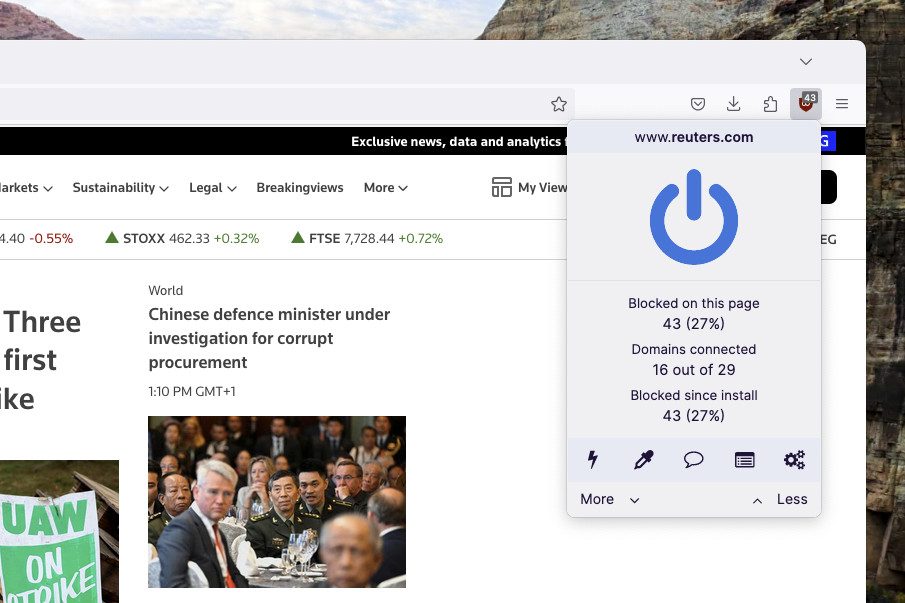
The shift has been controversial ever since Google introduced Manifest V3. Supporters argue it makes browser extensions safer, faster, and less resource-intensive, while critics believe it limits what advanced ad blockers and privacy tools can do, stripping away some of the power they previously had.
By adopting Manifest V3, Microsoft is bringing Edge fully in line with the Chromium ecosystem. For most users, the transition should be relatively smooth, but anyone still relying on older Manifest V2 extensions—especially classic ad blockers—should start looking for MV3-compatible replacements. The browser itself isn’t losing ad blocking, but some of the most capable tools will never work quite the same way again.