



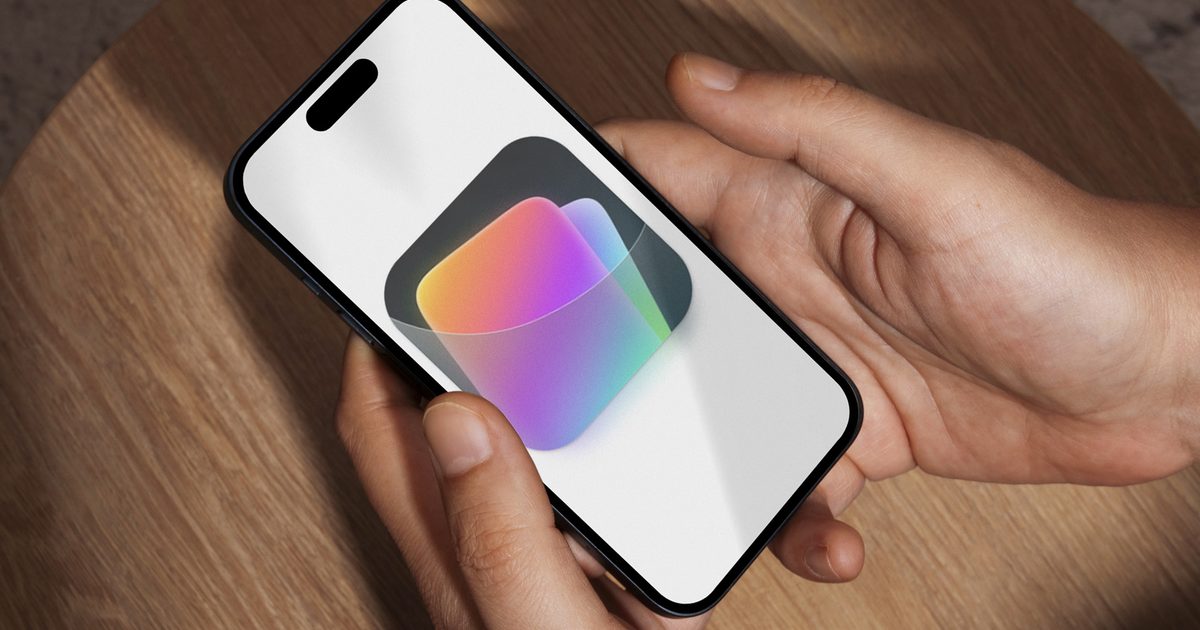
If “vibe coding” wasn’t already everywhere, Meta is making sure it is now. The company has quietly launched Pocket, a new AI-powered app that lets users generate, play, and share interactive mini-games simply by typing what they want. No game engine, no programming language, and definitely no debugging at 2 a.m. Just prompts.
Turn prompts into playable games
At the heart of Pocket are what Meta calls “gizmos”. These are basically AI-generated interactive experiences that can be created from a simple text prompt. Want a game where a flower becomes a paintbrush? Or a tiny puzzle starring a space cat? Just describe it, and Pocket builds a playable version that users can instantly try, tweak, and share with others.
Pocket isn’t just a creation tool, either. The app also doubles as a social feed where users can browse games made by others, remix existing creations, and discover new ideas. In many ways, it feels like TikTok for AI-generated games, with a Roblox-style creative twist. The difference is that instead of learning to code, users simply describe their idea and let AI build the playable experience.
Interestingly, Pocket appears to build on Meta’s acquisition of the team behind Gizmo, a startup focused on AI-generated interactive experiences. Instead of hiding that technology inside Facebook or Instagram, Meta has turned it into a standalone app dedicated entirely to AI-powered creativity.
The next phase of vibe coding? Entertainment.
The funny thing is that most people don’t actually want to learn game development; they just want to bring a fun idea to life. Pocket leans into exactly that. Instead of asking users to master Unity or Unreal Engine, it lets AI handle the technical work while users focus on the creative part.
What’s more is that Pocket also follows a familiar Meta strategy. Rather than cramming every new AI feature into Facebook or Instagram, the company has increasingly been launching standalone experimental apps to see what resonates before rolling those ideas into its bigger platforms. Pocket feels less like a finished product and more like a public test of where AI-powered creativity could go next. Whether Pocket succeeds won’t depend on whether it can generate a game; that part is already impressive. The bigger question is whether those AI-generated games are actually fun enough to keep players coming back.