




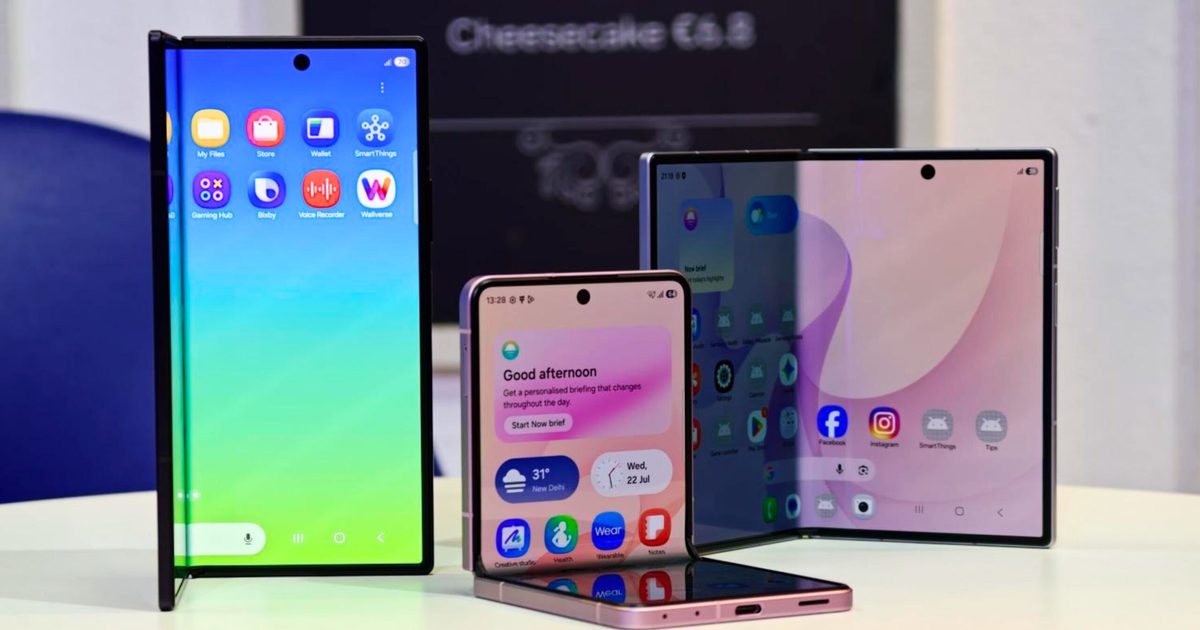
After years of reviewing foldable smartphones, I have learned that choosing one involves much more than what looks pretty or how large you want. Book-style foldables are usually sold as productivity machines, while flip phones cater to people who value portability. Samsung’s latest lineup complicates that choice by introducing two very different book-style models alongside its familiar clamshell.
Most of their shared specifications fade into the background once you start using them. Their shapes and screens have a much greater impact on daily life. So here’s how I’d make a decision when choosing between the new Galaxy Z Fold 8 Ultra, Galaxy Z Fold 8, and Galaxy Z Flip 8.
Samsung Galaxy Z Fold 8 Ultra vs Galaxy Z Fold 8 vs Galaxy Z Flip 8: Specs
| Specs | Galaxy Z Fold 8 Ultra | Galaxy Z Fold 8 | Galaxy Z Flip 8 |
|---|---|---|---|
| Display | Main: 8-inch, 120Hz, AMOLED Cover: 6.5-inch, 120Hz, AMOLED |
Main: 7.6-inch, 120Hz, AMOLED Cover: 5.5-inch, 120Hz, AMOLED |
Main: 6.9-inch, 120Hz, AMOLED Cover: 4.1-inch, 60/120Hz, AMOLED |
| Processor, RAM, and Storage | Snapdragon 8 Elite Gen 5 for Galaxy, 12GB or 16GB RAM, 256GB, 512GB, or 1TB storage | Snapdragon 8 Elite Gen 5 for Galaxy, 12GB or 16GB RAM, 256GB, 512GB, or 1TB storage | Snapdragon 8 Elite Gen 5 for Galaxy, 12GB RAM, 256GB or 512GB storage |
| Cameras | Rear: 200MP main camera, 50MP ultrawide, 10MP telephoto Front: 10MP and 10MP |
Rear: 50MP main camera, 50MP ultrawide Front: 10MP and 10MP |
Rear: 50MP main camera, 12MP ultrawide Front: 10MP |
| Battery and Charging | 5,000mAh, 45W wired, 20W wireless | 4,800mAh, 45W wired, 20W wireless | 4,300mAh, 25W wired, 15W wireless |
| Size and Weight | Unfolded: 158.4 x 143.2 x 4.1mm Folded: 158.4 x 72.8 x 8.9mm 215 grams |
Unfolded: 123.9 x 161.4 x 4.5mm Folded: 123.9 x 81.9 x 9.7mm 201 grams |
Unfolded: 166.9 x 75.4 x 6.1mm Folded: 85.7 x 75.4 x 13.1mm 180 grams |
| Price | $2,099 | $1,899 | $1,199 |
Galaxy Z Fold 8 Ultra: The power-user choice
The Galaxy Z Fold 8 Ultra is the easiest model to recommend to someone who wants everything Samsung can put into a foldable. Its overall experience represents another measured step beyond its predecessor. Samsung has refined the design and improved the hinge that also reduced the crease.

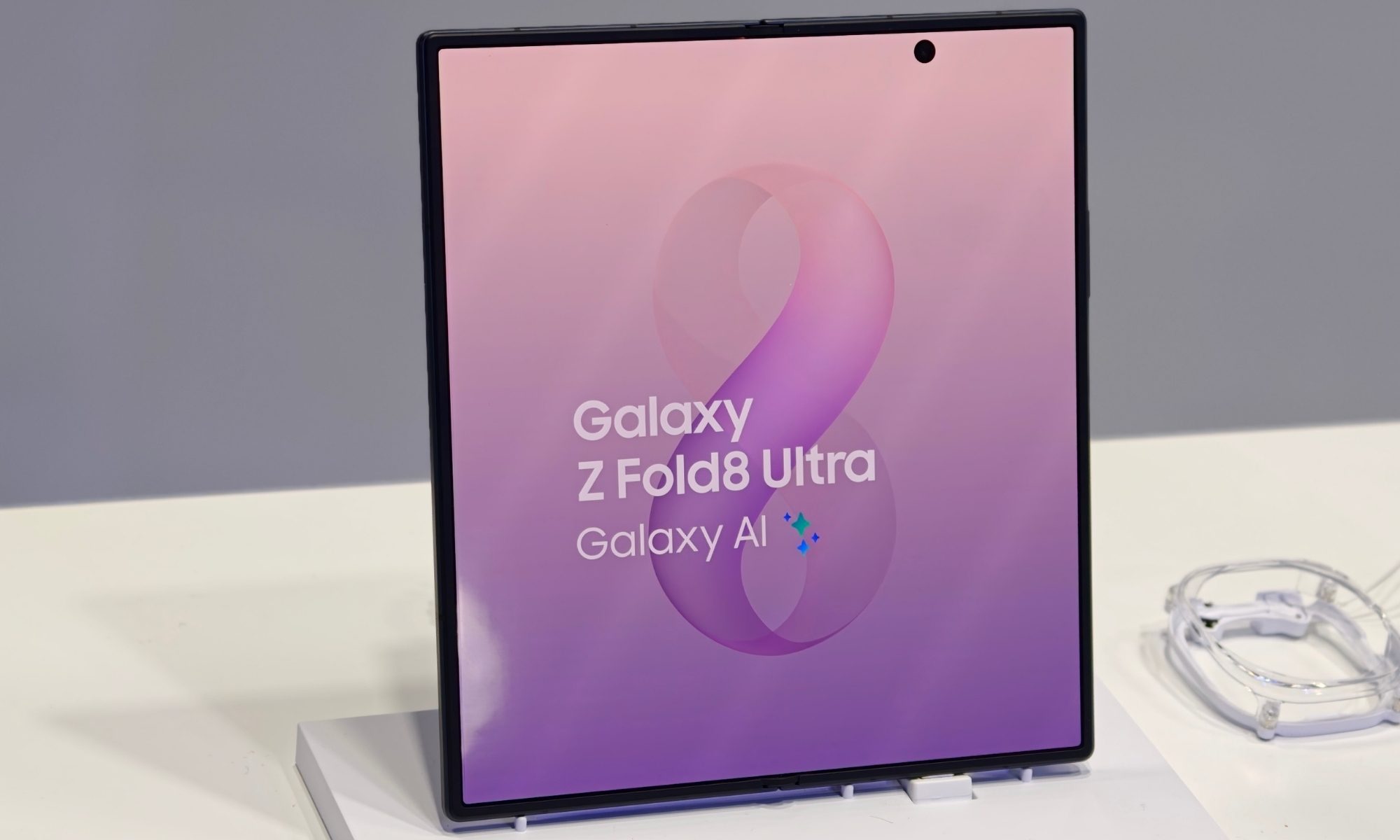
None of these changes completely reinvent the device, but they polish an already mature formula–and this familiarity works in its favor. The tall cover display operates much like a conventional smartphone, and opening the device gives you a large canvas for running several apps together.
This is the model I would pick for serious multitasking. You can keep a document beside a browser, respond to messages while watching a video, or move information between apps without constantly switching windows. The 8-inch inner screen provides enough screen real estate to never feel cramped.
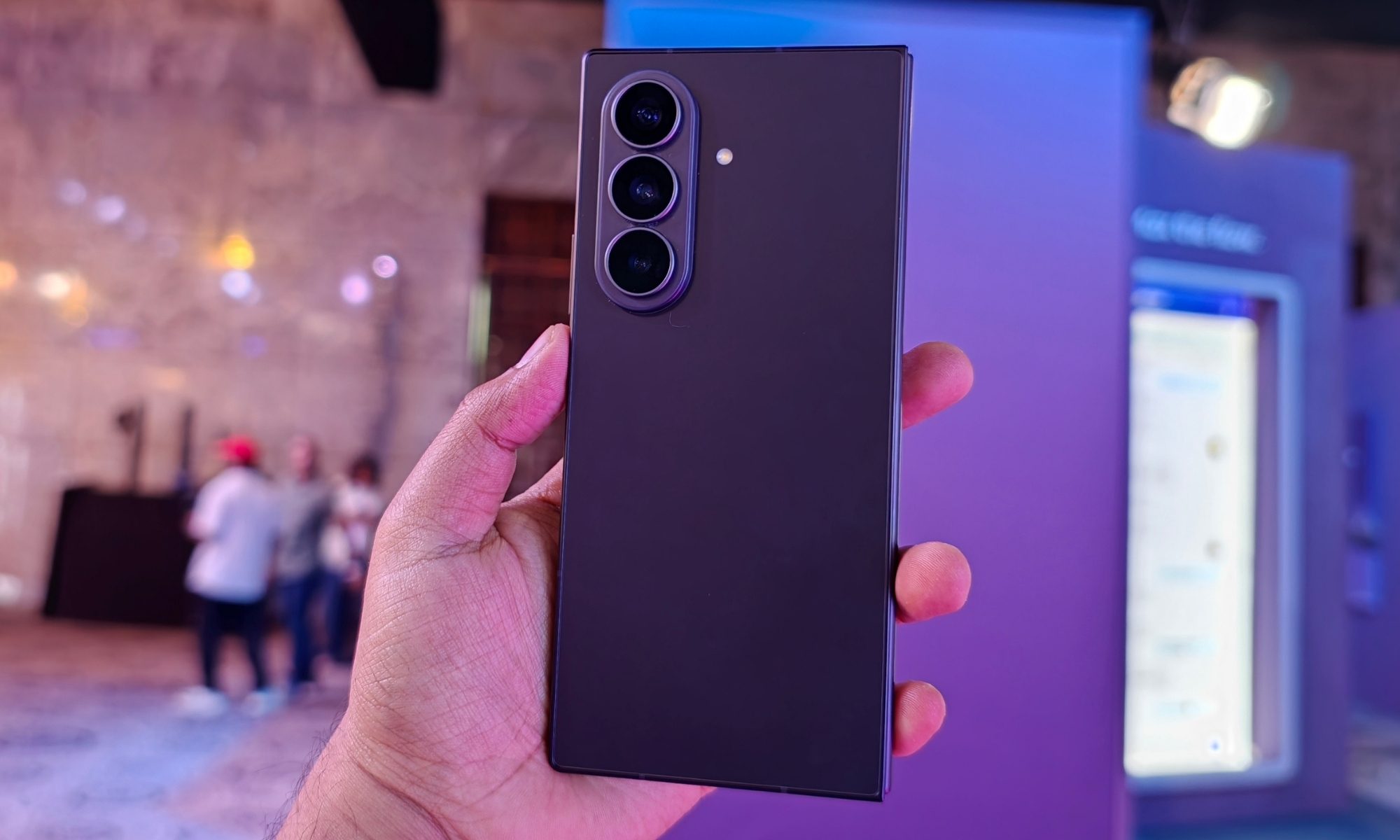
It also has the strongest camera system of the three. The 200MP main camera, 50MP ultrawide, and 3x telephoto give it the versatility expected from an expensive flagship. Foldable cameras often trail their slab-phone counterparts, so having strong main and ultrawide cameras makes the Ultra more reliable as your daily driver. The 5,000mAh battery is Samsung’s largest in a foldable, while 45W charging finally reduces some of the frustration around topping one up.
Galaxy Z Fold 8: The new multimedia pick
The standard Galaxy Z Fold 8 has the most unusual design of the lineup. Its short, wide body resembles a passport more than a traditional smartphone. The 5.5-inch cover screen comes closer to a compact device. Though its squat proportions require a little adjustment. Opening it reveals the reason Samsung chose this shape.

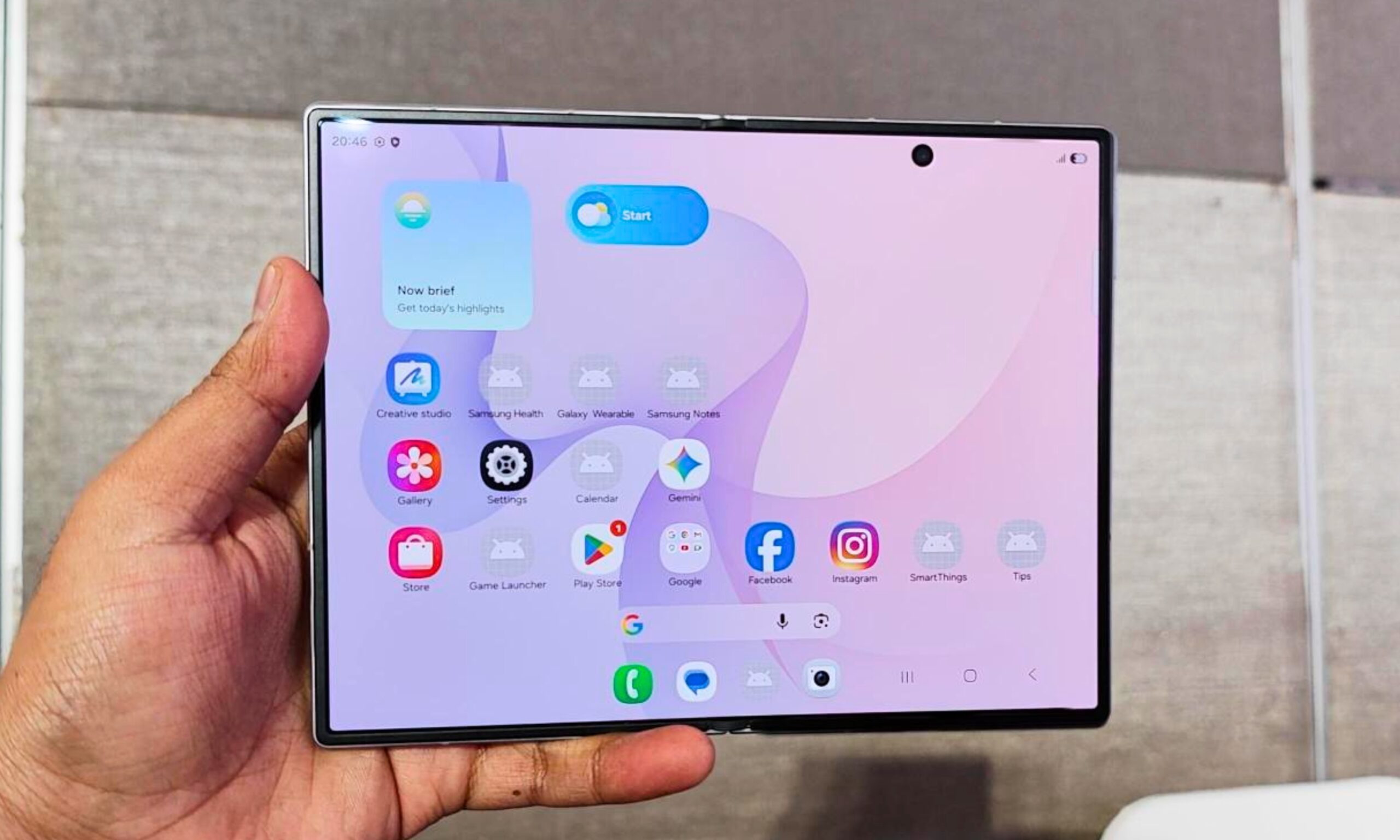
The 7.6-inch inner screen has a 4:3 aspect ratio, making it especially well suited to photos, videos, websites, and social content. Pictures fill the display more naturally, while movies and videos gain a wider viewing area than they would on the taller Ultra.
So this is easily my main choice if I just consider the multimedia advantages. Its inner screen provides an excellent space for a number of different tasks. Watching pictures and videos finally feels natural on Samsung’s foldable. I can even picture reading e-books, browsing, or playing games fitting in naturally as well. At 201 grams, it is also considerably easier to carry than many large foldables. For context, the Motorola Razr Fold I’m currently using measures over 40 grams heavier. This even makes it lighter than the iPhone 17 Pro.
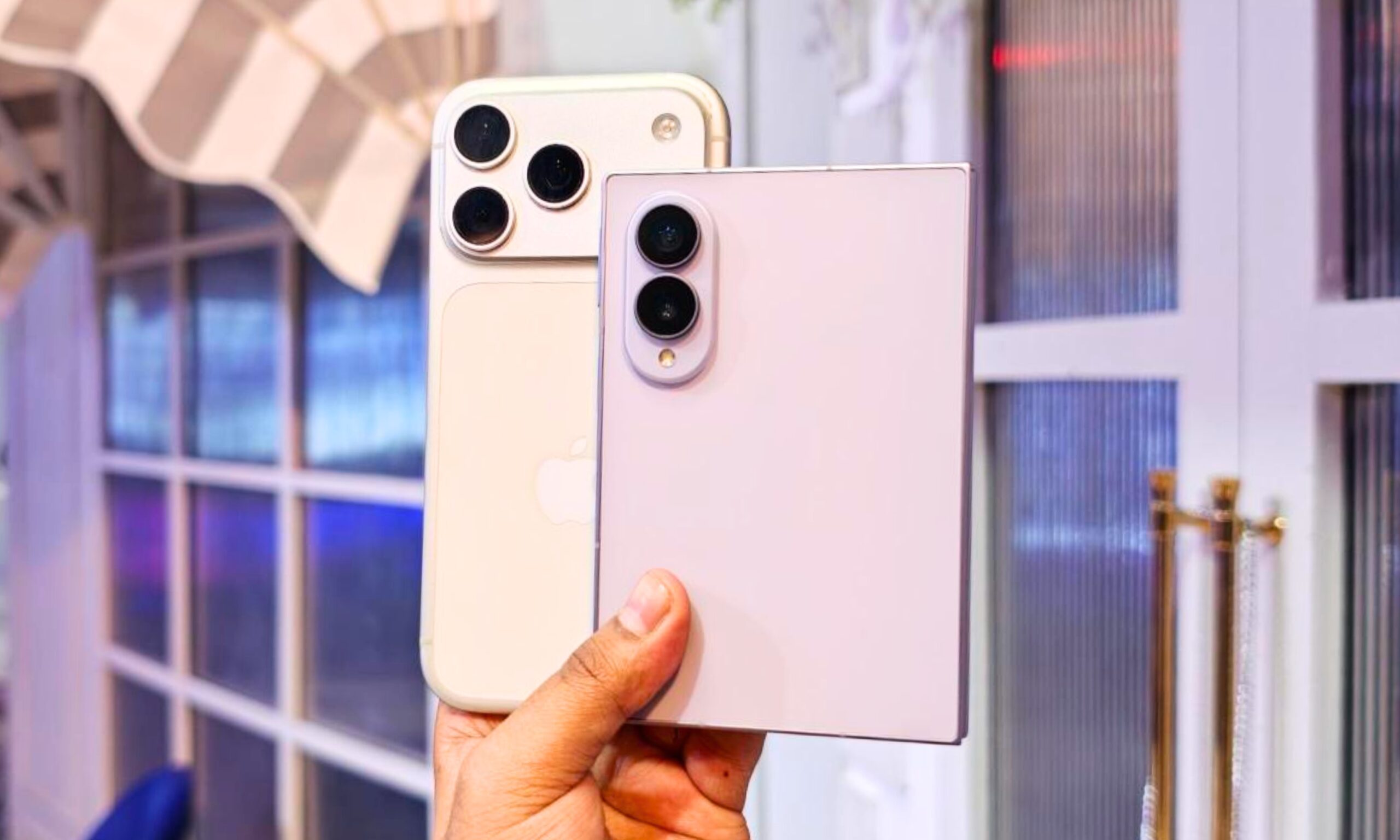
Multitasking remains part of the experience. Two apps can still sit beside each other, and the device has the same flagship processor as the Ultra. Except the different aspect ratio gives each window less vertical room. So complex multi-app layouts may not flow as naturally. Photography is another compromise. The Fold 8 has capable 50MP main and ultrawide cameras, but the telephoto is dropped entirely. Choose this one when the idea of a wider, more portable foldable matters more than maximum productivity or camera versatility.
Galaxy Z Flip 8: The compact-phone alternative
The Galaxy Z Flip 8 is the easiest choice for someone who has little interest in carrying a book-style foldable. I have always preferred compact phones, and a clamshell remains one of the best ways to put a large display into a small pocket. The Flip 8 opens into a conventional 6.9-inch smartphone, then folds into a much smaller square when you are finished.
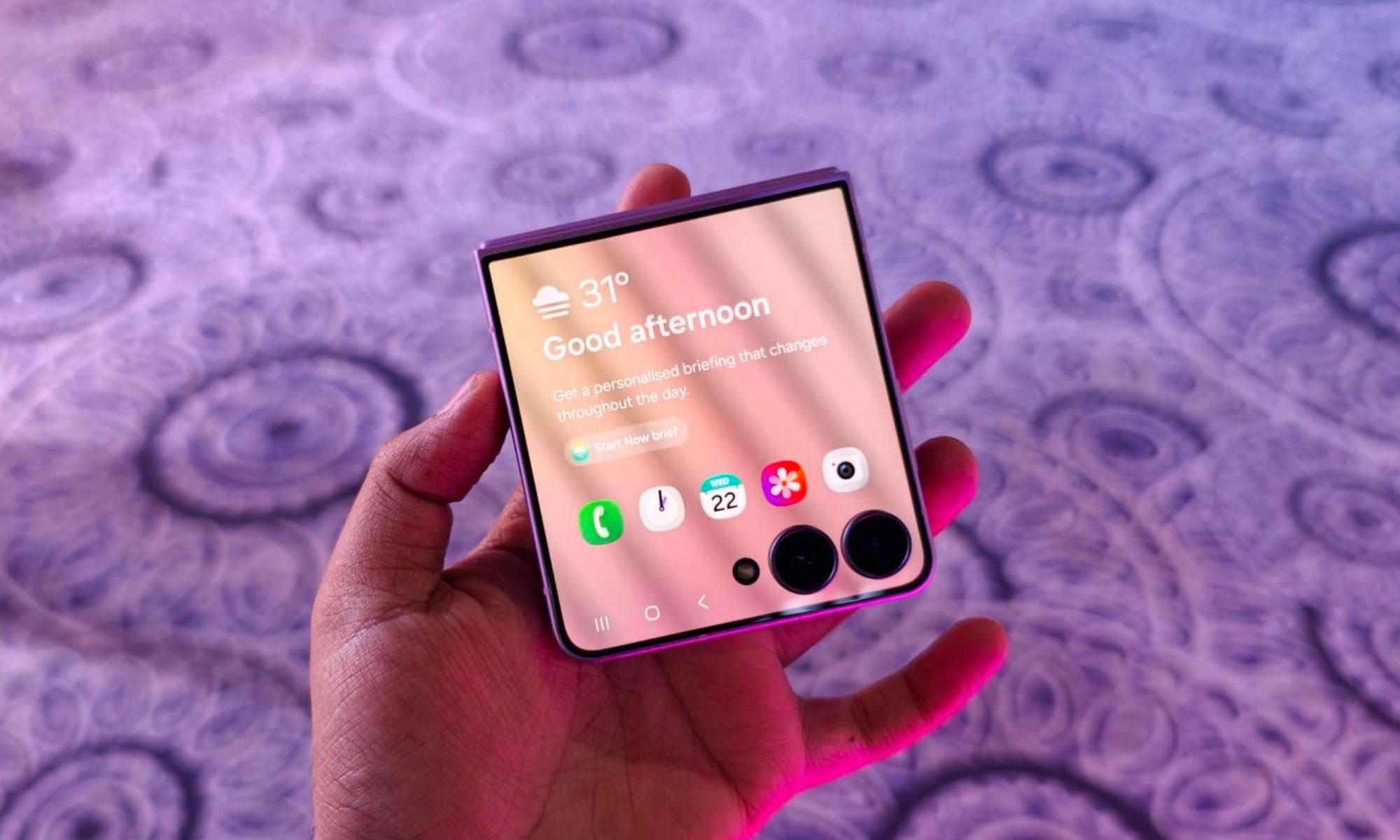
Samsung has also made the 4.1-inch FlexWindow more useful. One UI 9 brings a proper app tray, recent apps, improved widgets, and access to more everyday functions without opening the phone. While there are limitations, Samsung’s most complete attempt at making the cover screen useful beyond notifications and camera previews.
A flip phone should take advantage of its clamshell design, and the Z Flip 8 is finally the complete package now. The Flip 8 also suits people who enjoy taking selfies and group pictures. Flex Mode can prop the phone up without a tripod, while the cover display lets you frame shots with the superior rear camera.

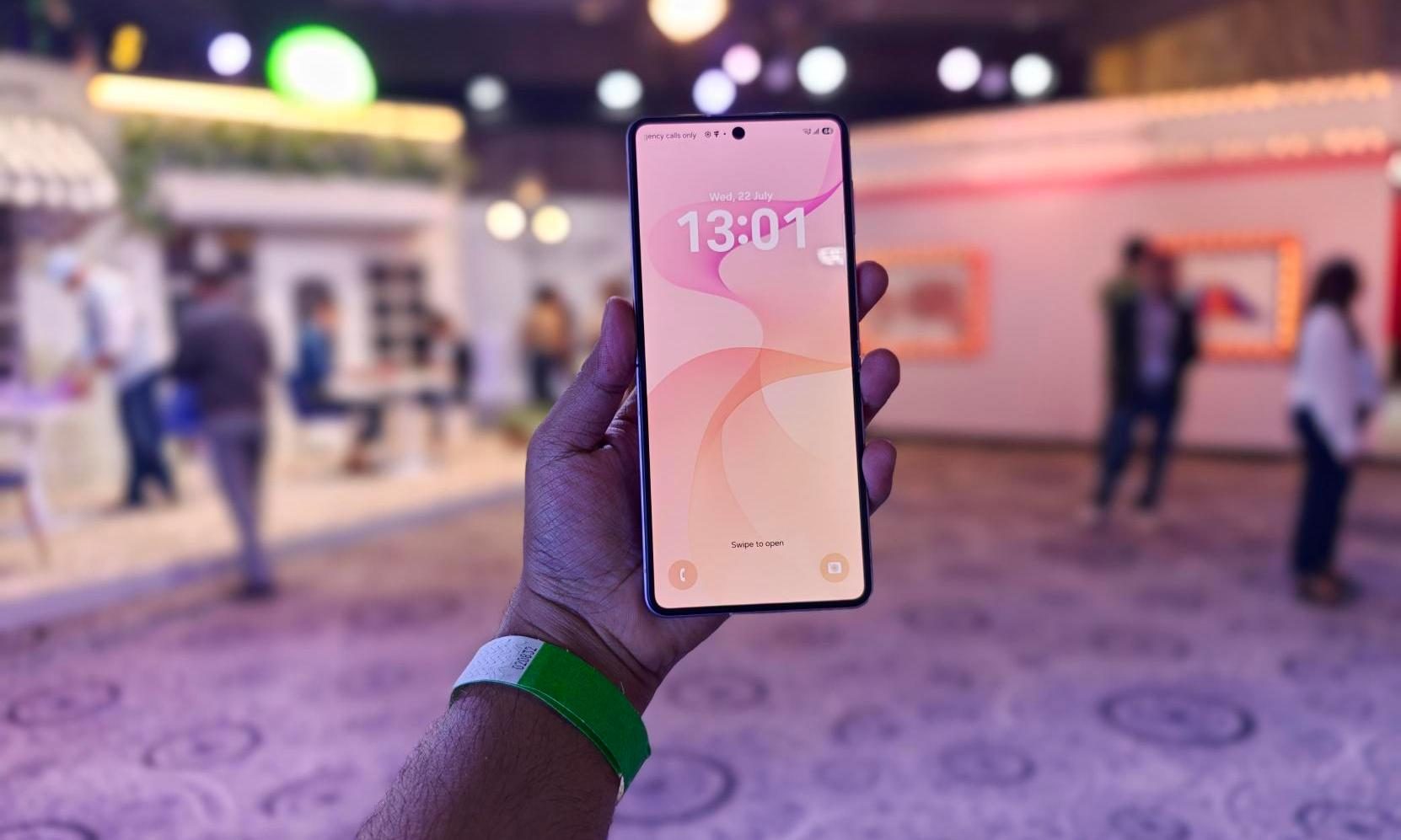
Its battery, charging speeds, and camera selection sit below the two Fold models. But coming in at hundreds of dollars cheaper, it is a worthwhile trade for someone whose priorities begin with portability.
Three foldables for three very different people
The Galaxy Z Fold 8 Ultra is the easy choice for power users. Its larger displays, stronger camera system, bigger battery, and familiar proportions make it the most complete device of the three.
Samsung’s regular Fold 8 serves a more specific audience. Its wider screen is excellent for media, photos, reading, and anyone drawn to its unusual compact shape.
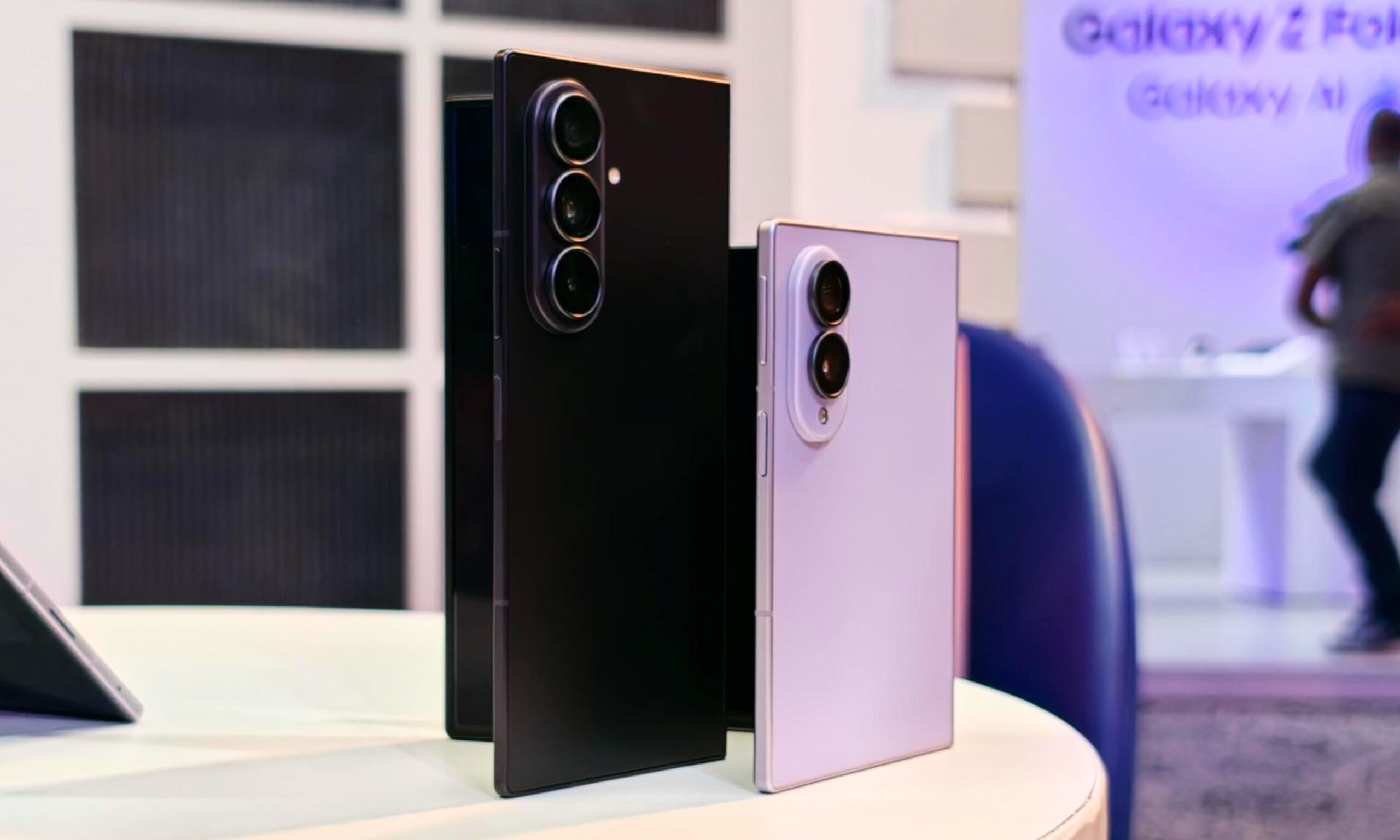
The Galaxy Z Flip 8 remains my pick for compact-phone fans. It slips into smaller pockets, works like a conventional phone when open, and finally gives the cover screen a more meaningful role.
Samsung has given each foldable a reason to exist. Your choice comes down to the experience you value most: maximum capability, better media viewing, or true pocketability.