






Apple seems ready to kill the dreaded “No Service” label, as the purported iPhone 18 Pro models could take a major leap in satellite connectivity, not just for emergencies (as it has been the case so far), but also for everyday use cases.
Previously, iPhone users had to point the device at the sky (with a clear view of the horizon) to send an SOS signal to the emergency services. However, the upcoming iPhones (only the Pro models) could solve that problem for once and for all.
Goodbye “No Service”?
The magic comes from Apple’s in-house C2 5G modem (via Fixed Focus Digital on Weibo), which reportedly supports NR-NTN (New Radio Non-Terrestrial Networks), letting the iPhone 18 Pro models treat low-orbit satellites as distant cell towers. The connection should even work indoors.
If true, satellite connectivity on the iPhone 18 Pro models could unlock some compelling yet realistic use cases. The handsets should be able to provide reliable connectivity while hiking, sailing, road-tripping through dead zones, or simply surviving your carrier’s random outages.
Last month, I wrote a story about the rumored “5G via Satellite” feature on the iPhone 18 Pro models. In a video about renders of the proposed iPhones, Front Page Tech also discussed the rumored satellite-connectivity feature, which allows users to access 5G internet via satellites.

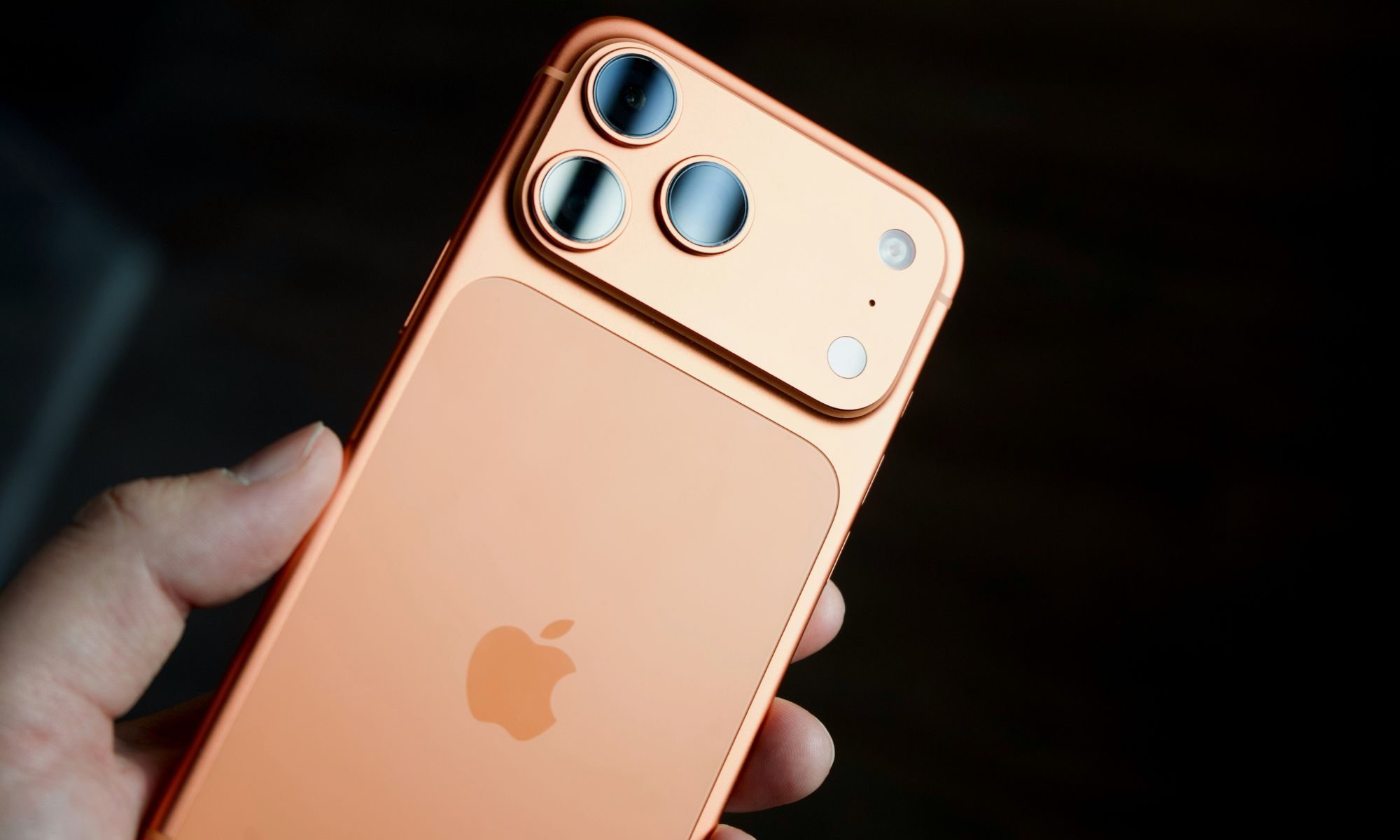
The C2 modem and the shift to satellite-assisted 5G
I am connecting the dots here, but it sounds like the iPhone 18 Pro models could treat satellite connectivity as a backup to poor or no cellular service. That way, the device could provide a seamless connectivity experience to the user.
Whenever they want to access the internet, the C2 modem will decide whether there’s reliable cellular service or it needs to fall back to NR-NTN, without dumping technical information on the user and asking them to choose between the available networks.
Beyond always-on connectivity, the C2 5G modem in the iPhone 18 Pro models could also improve efficiency (contributing to better battery life), enable tighter Apple integration, and introduce a new privacy feature that limits how accurately carriers can determine the iPhone’s location.
