




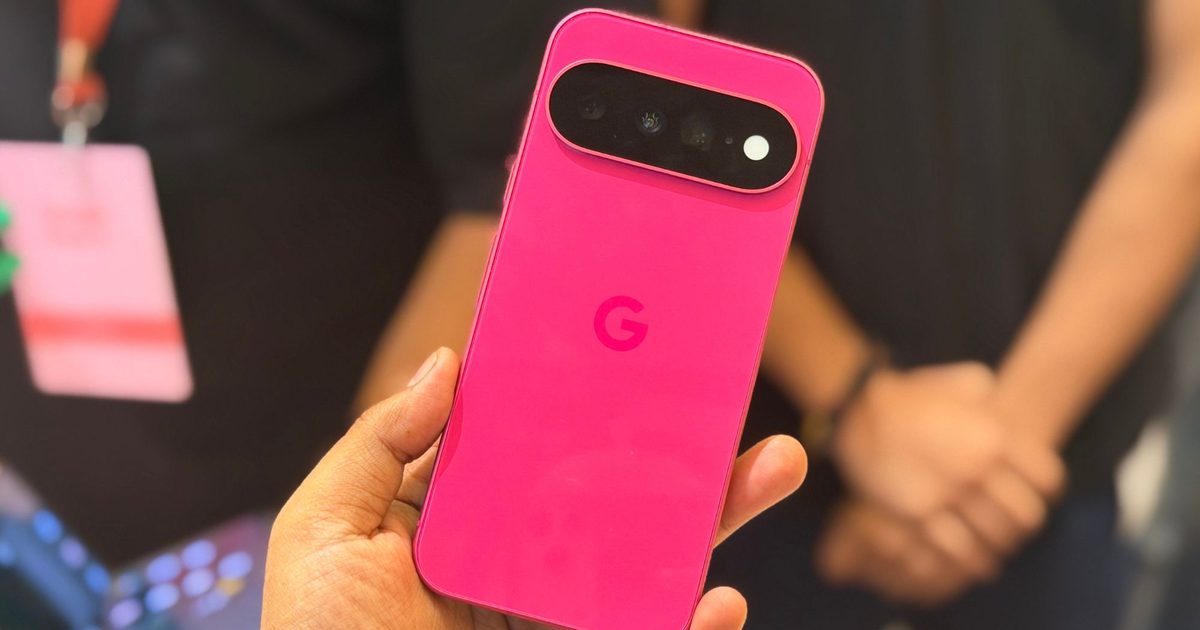
Looking at any premium smartphone lineup, it’s immediately clear that the love, care, and attention went towards the Pro or Ultra models. Base flagship models always have to hit a balance between being approachable and feeling premium. Apple’s iPhone 17 was a great example of this, while the Galaxy S26 was another solid option (despite its various flaws).
Google, on the other hand, felt a little behind the competition with the Pixel 10. So during the short time with the Pixel 11, I expected that same reputation–and thankfully, the latest standard Pixel device is more competitive than ever before.
It is still behind the more expensive Pro models in areas like display and camera hardware, but the overall experience is a lot more confident this time around. Google’s philosophy makes the hardware feel great with its software, and the spec bump on the Pixel 11 doesn’t disappoint.
How the Pixel 11 has enough specs to feel right again
The Pixel 11 hasn’t undergone an enormous physical transformation. Rather, you’re getting some thoughtful refinements across the board. It retains the familiar 6.3-inch footprint, with the display specs being virtually unchanged from the Pixel 10. I prefer compact phones, so I didn’t mind this at all.
During my hands-on time, the screen was sharp, responsive, and bright enough to leave a positive first impression. A 1-120Hz LTPO panel remains reserved for the Pro, but the regular Pixel already covers what I expect from a modern flagship display.

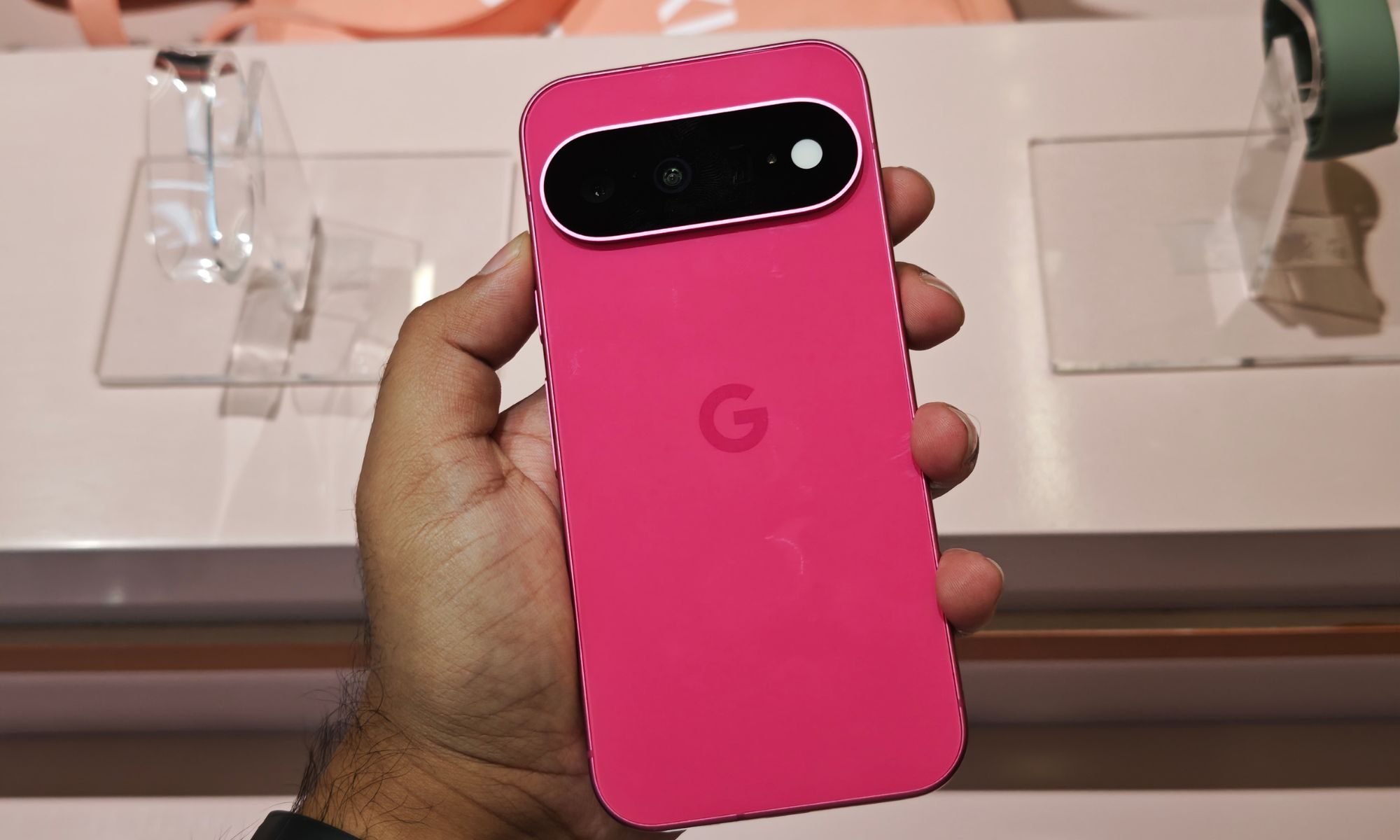
One thing I appreciated was how the Pixel 11 shaved off some weight. Pixel 10 weighed 204 grams, while Pixel 11 drops to 197 grams, despite keeping exactly the same 8.6mm thickness and nudging battery capacity slightly upward from 4,970mAh to 4,985mAh. This isn’t groundbreaking by any means, and yet the refinements are great in making them more comfortable for one-handed use.
The storage upgrade is great too. Pixel 11 starts with 256GB and 12GB of RAM, finally dropping the 128GB option. That technically raises the entry price from $799 to $899, but even the 256GB Pixel 10 was released for $899 last year.
Three cameras are huge when backed by a capable main sensor
Google introduced a 5x telephoto on the base model with the Pixel 10, and the Pixel 11 keeps it. You get a 48MP main camera, 13MP ultra-wide, and a 10.8MP 5x telephoto with Super Zoom now extending to 30x. The Pixel 9 is a particularly interesting comparison. Its 50MP main camera and 48MP ultrawide were hardly lacking, and the Pixel 11 isn’t an across-the-board camera hardware victory. The difference is flexibility.
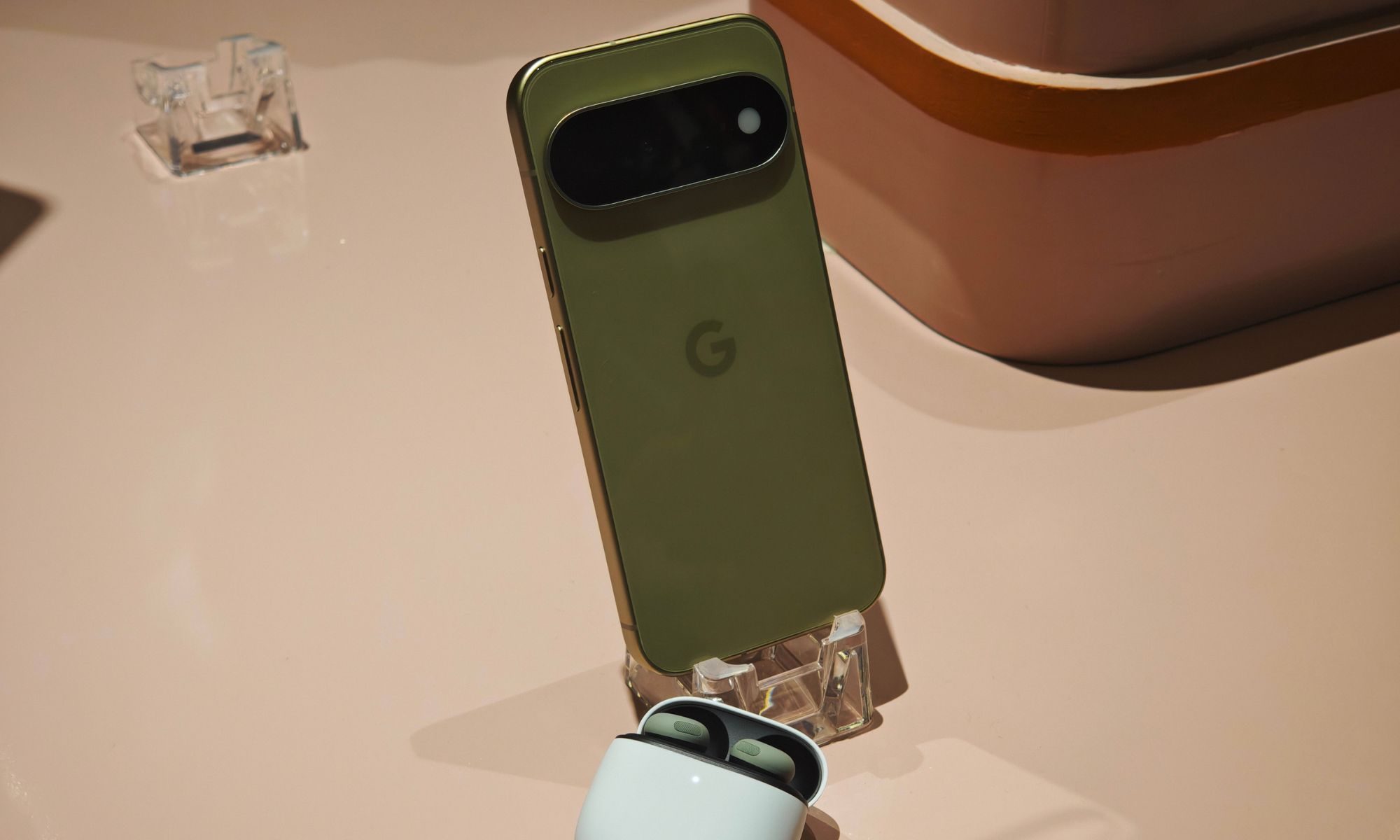
Using a phone without a telephoto in this day and age makes you feel handicapped. The preferred focal length might be something people will have different opinions on, but the 5x telephoto is definitely fun to shoot with. So having 0.6x, 1x, 2x, 5x, and 10x optical-quality options on one relatively compact Pixel gives me considerably more freedom when framing a shot.
Google has upgraded the main camera over the Pixel 10 as well. The new 48MP sensor is larger, and Google says it is 56% more light-sensitive. It’s something I’ll need considerably more time with before judging, particularly for low-light photography. Still, I love the attention the base model has received this year. The Pixel 11’s camera doesn’t force you to think about the Pro.
Google still wins on software
Hardware only tells half of any Pixel story. Pixel 11 debuts with Android 17 and will receive seven years of OS, security, and Pixel updates. It also becomes one of the first places to experience Google’s newest Android and Gemini features. Creator Suite is one of the additions I’m particularly interested in testing.
Google has added creator-oriented video tools directly to the camera experience, including a built-in teleprompter. Magic Capture, Camera Looks, improved voice recording tools, and other additions continue Google’s habit of using software to squeeze more utility out of its cameras.

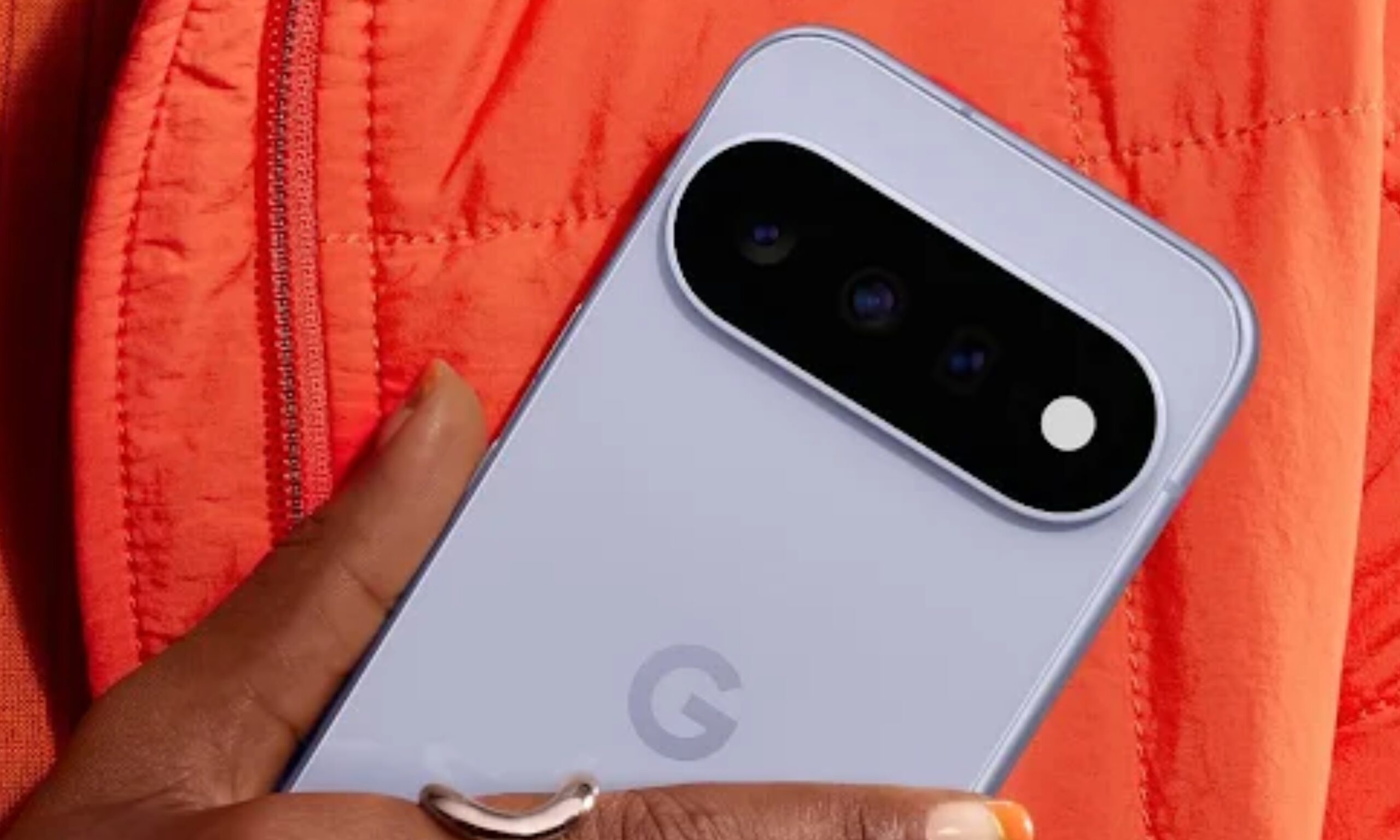
Gemini Intelligence and the brand’s push towards running more AI locally continue with the Tensor G6. I wouldn’t buy the Pixel 11 solely for one software feature. Google has spent years bringing new capabilities to older Pixels through Feature Drops, and some Pixel 11 additions could eventually travel backwards.
What you are buying is first access. For someone who enjoys Google’s take on Android, getting new Android releases and Pixel features at the front of the queue remains one of the strongest arguments for owning the company’s hardware.
Pixelsnap is Google’s best argument for its smartphones
Pixelsnap was already one of my favorite Pixel 10 additions, and Google has made it considerably more useful this year. The Pixel 11 supports up to 25W magnetic wireless charging, up from 15W on its predecessor. Google’s specifications list the new implementation as Qi2-certified Pixelsnap charging, in line with the Pro models now.
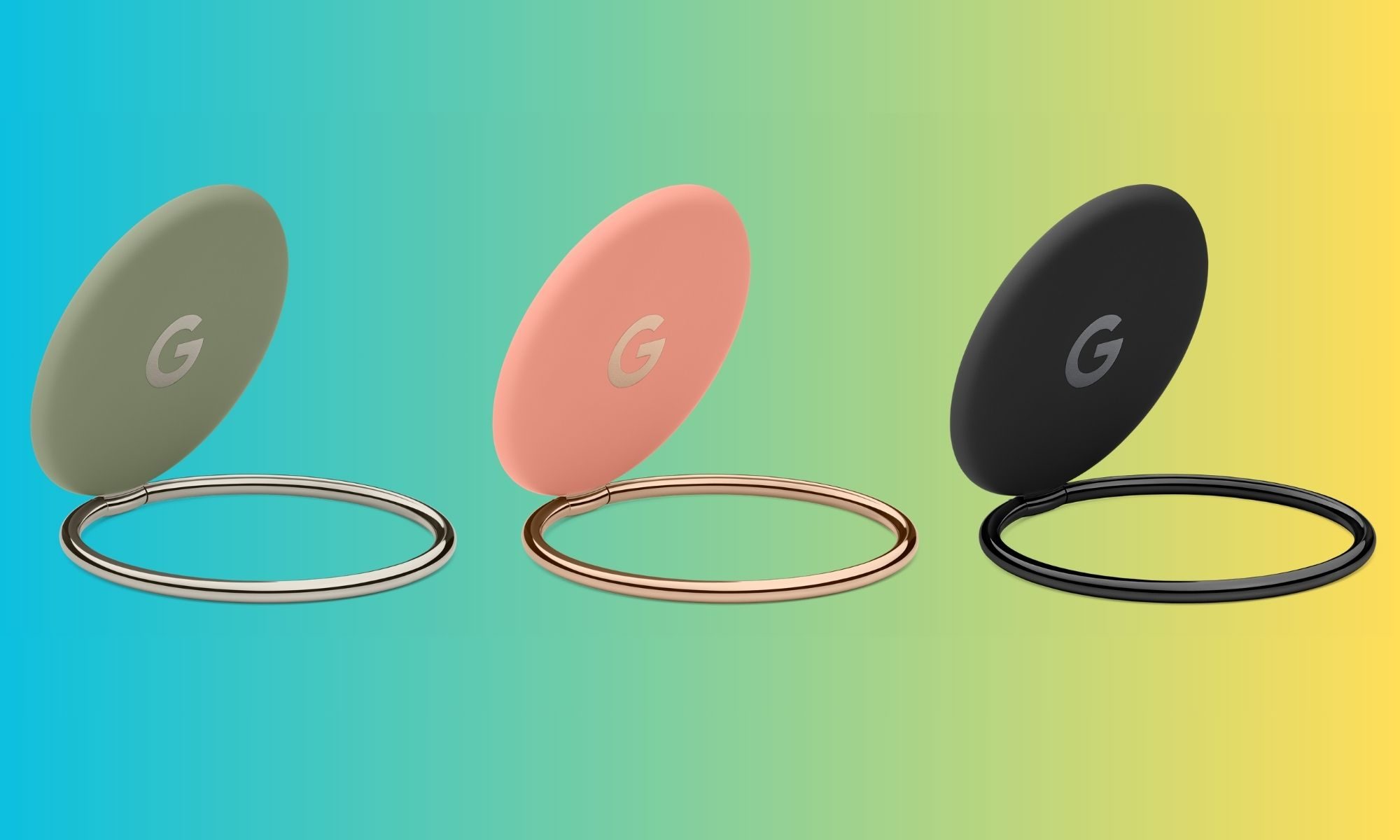
iPhones have always had an edge over Androids thanks to MagSafe, which brought fun accessories and more convenient wireless charging solutions. The Pixelsnap arrives as a direct answer to this from the Android side. Cases, stands, wallets, grips, batteries, and other magnetic accessories turn that ring of magnets into an ecosystem. Faster charging fixes one of the more obvious limitations of last year’s regular Pixel.
This might be Google’s most confident base Pixel yet
I still need proper testing before making any conclusions about Tensor G6 performance, battery life, thermals, and the upgraded main camera. These opinions could change after I spend more time with the device. Regardless, my hands-on time shows Google’s priorities aren’t exclusive to the Pixel 11 Pro alone. None of these screams groundbreaking, really. But even as an entry point to the Pixel experience, the Pixel 11 finally feels like a compelling flagship.