



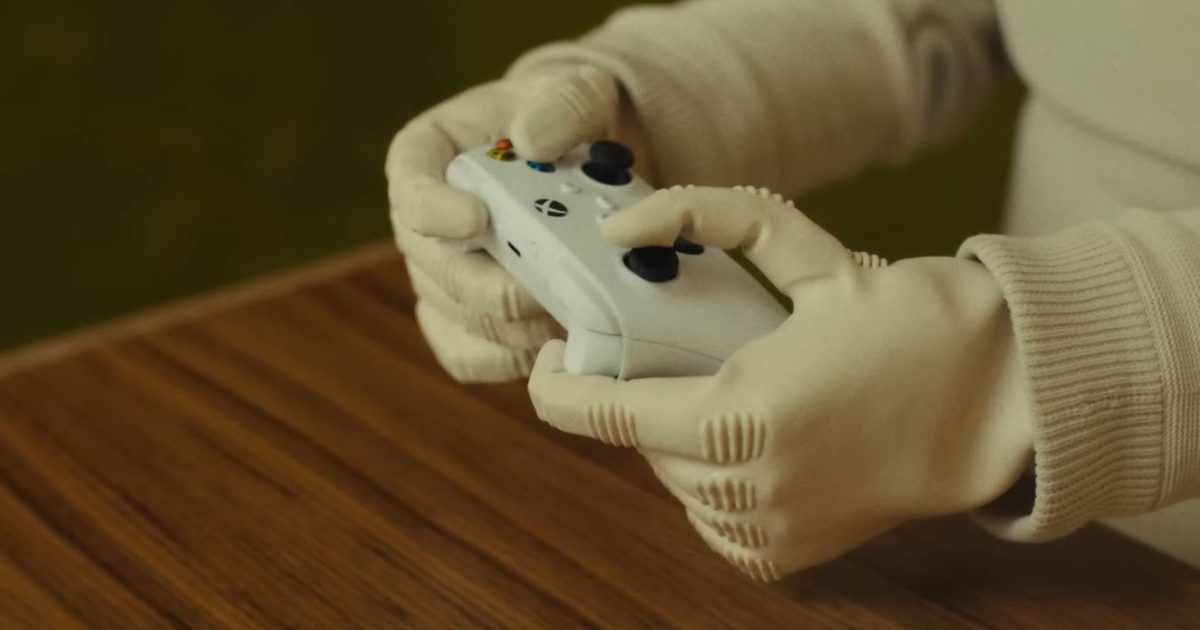
A robot can look convincing while walking across a stage and still be useless in a kitchen. Picking up a wet glass demands precision, quick corrections, and enough restraint to avoid squeezing too hard. 1X is tackling that problem with new tendon-driven hands for NEO, its humanoid home robot.
1X says each hand has 25 degrees of freedom, with 22 across the fingers and palm and another three in the wrist. Its joints can yield when pushed instead of staying rigid, giving NEO a better chance of handling household objects without treating every collision like a wrestling match.
Why delicate chores expose bad hands
NEO’s tactile skin measures pressure and sideways movement across its fingers. That allows the hand to detect when an object begins slipping and adjust its grip before it drops.
Force control matters just as much as finger movement. Household objects come in awkward shapes and unpredictable weights, while factory grippers usually work with carefully positioned items. NEO’s tendon system is designed to adapt without approaching every task like it’s moving the same cardboard box all day.
That control could determine whether a humanoid can handle dishes or clothing without someone hovering nearby.
Why flexibility beats brute force
NEO’s fingers can bend beyond typical human ranges and wrap around irregular objects. Its backdrivable joints also give way during unexpected contact instead of forcing their way through it.
1X rates the hands IP68 and says they use food-safe materials. Those are practical details for a machine expected to work near sinks, spilled drinks, and dinner plates. Fast finger movement makes a better demo, but water resistance and controlled force will matter more in an actual home.

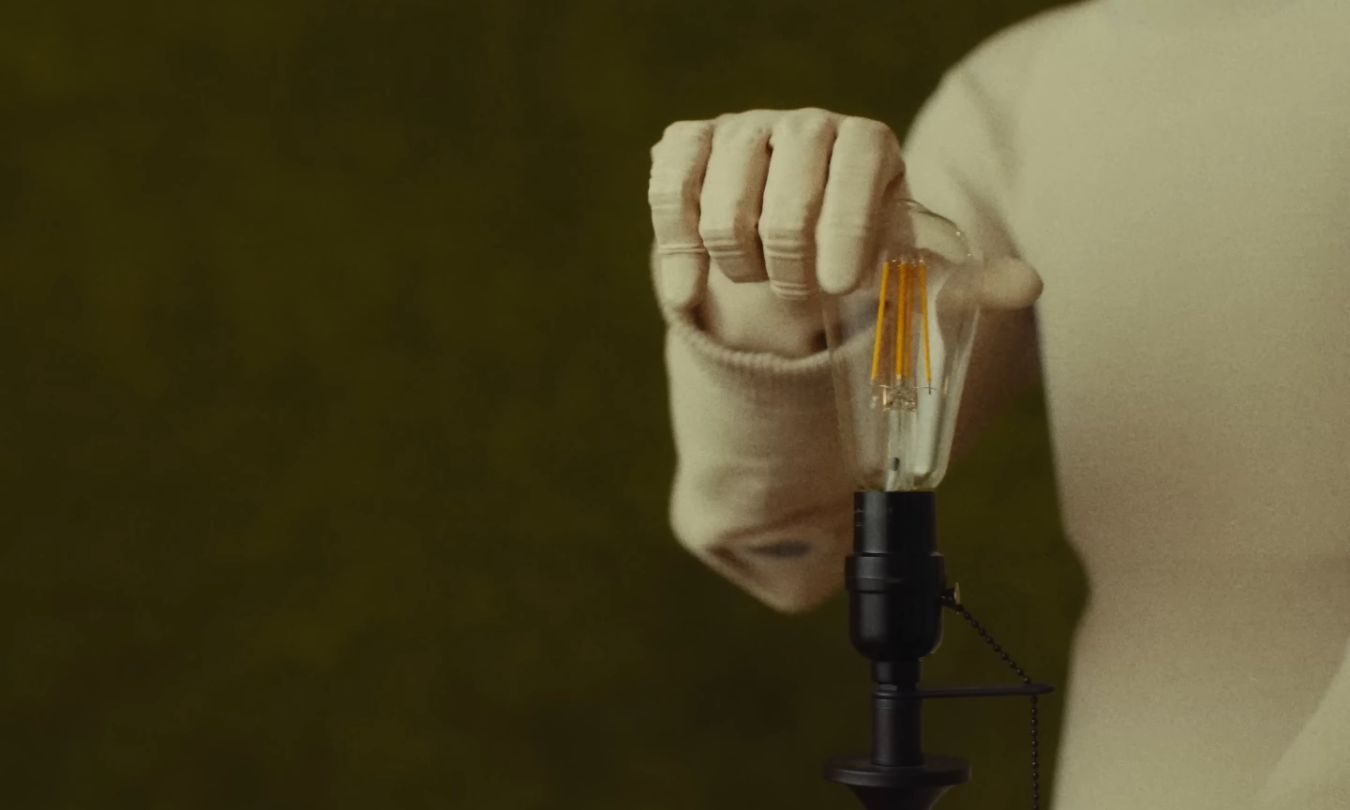
The hardware looks ready for domestic work. The software still has to prove it can use those hands consistently.
What the demos still can’t prove
Capable hands don’t guarantee capable chores. NEO still needs to identify an object, choose the right grip, and repeat the task in a cluttered room without careful preparation.
A successful pickup shows what the hardware can do under controlled conditions. Useful home automation requires the robot to repeat that success when objects are moved, wet, or partly hidden.
The next worthwhile demonstration should skip the finger drumming. NEO needs to finish an ordinary household chore autonomously, from start to finish, before one polished clip becomes proof of a finished product.