




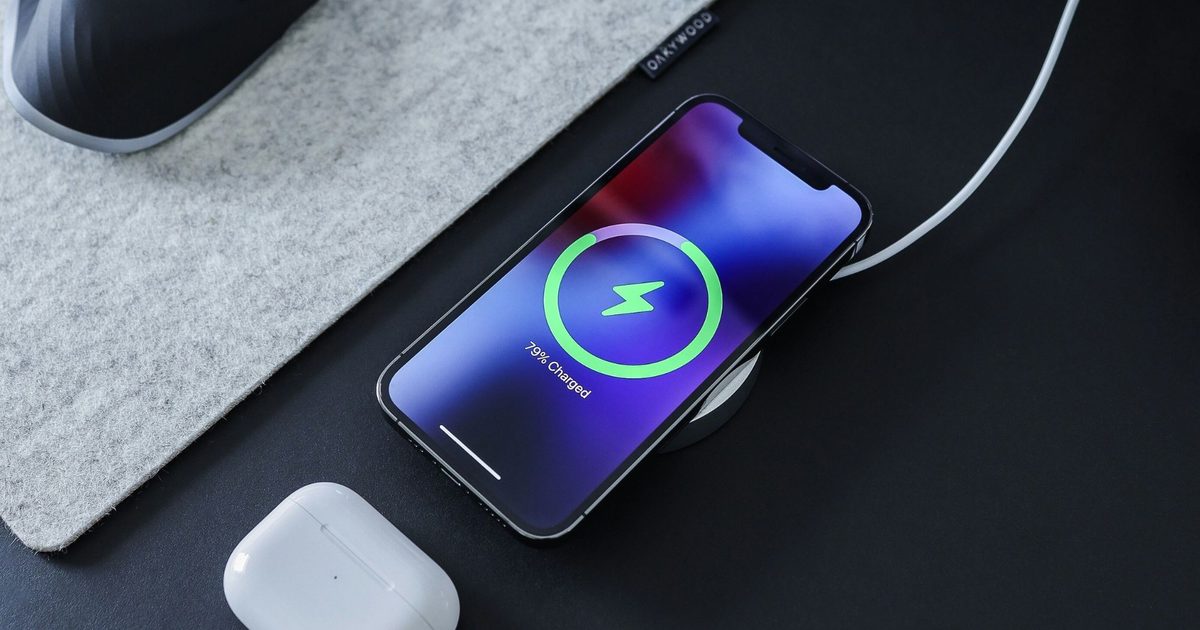
The next major leap in wireless charging may not come from a flashy smartphone launch, but from behind closed doors where some of the biggest names in the tech industry are working together, according to an ITHome report.
Apple, Google, Xiaomi, and several other leading technology companies recently gathered in Beijing for the Wireless Power Consortium’s (WPC) Qi Off-cycle Meeting, where discussions centered around the upcoming Qi 50W wireless charging standard. The four-day event, hosted by Xiaomi, focused on refining technical specifications, testing prototype hardware, and ensuring devices from different brands can work seamlessly together.
The meeting marks the first time the WPC has held an Off-cycle Meeting in Beijing and is a significant milestone in the development of the next-generation Qi standard, which is expected to deliver faster, safer, and more reliable wireless charging.
Apple, Google, Xiaomi, and others are working on the next Qi standard
The Wireless Power Consortium is the organization responsible for the Qi wireless charging standard used by thousands of smartphones, earbuds, and accessories worldwide. With more than 300 member companies and over 13,000 Qi-certified products on the market, the consortium plays a crucial role in ensuring cross-brand compatibility.
The latest meeting brought together more than 20 companies spanning every part of the wireless charging ecosystem. Participants included Apple, Google, Xiaomi, OPPO, Huawei, Honor, vivo, Anker, Panasonic Automotive Systems, Philips, NXP, Dolby Laboratories, Renesas, and several semiconductor and component manufacturers.
According to Xiaomi, the discussions focused on three major areas: finalizing the technical direction of the Qi 50W specification, testing prototype hardware, and verifying interoperability between devices from different manufacturers.
Xiaomi is also advocating for its “small inductance, low voltage, high power” architecture to be adopted as part of the new standard. The company says the approach can reduce energy loss, improve thermal performance, increase charging efficiency, and enable slimmer smartphone designs.
The Qi 50W specification is still under development and is currently expected to be finalized in 2028.
Smartphone makers have already gone beyond 50W
Interestingly, the industry-standard Qi specification is now trying to catch up with proprietary charging technologies that have already surpassed the 50W milestone. OnePlus has commercialized 50W AirVOOC wireless charging across several flagship smartphones, while OPPO also offers 50W AirVOOC on premium devices. Xiaomi itself has introduced 50W wireless charging commercially and has demonstrated experimental systems capable of exceeding 80W.

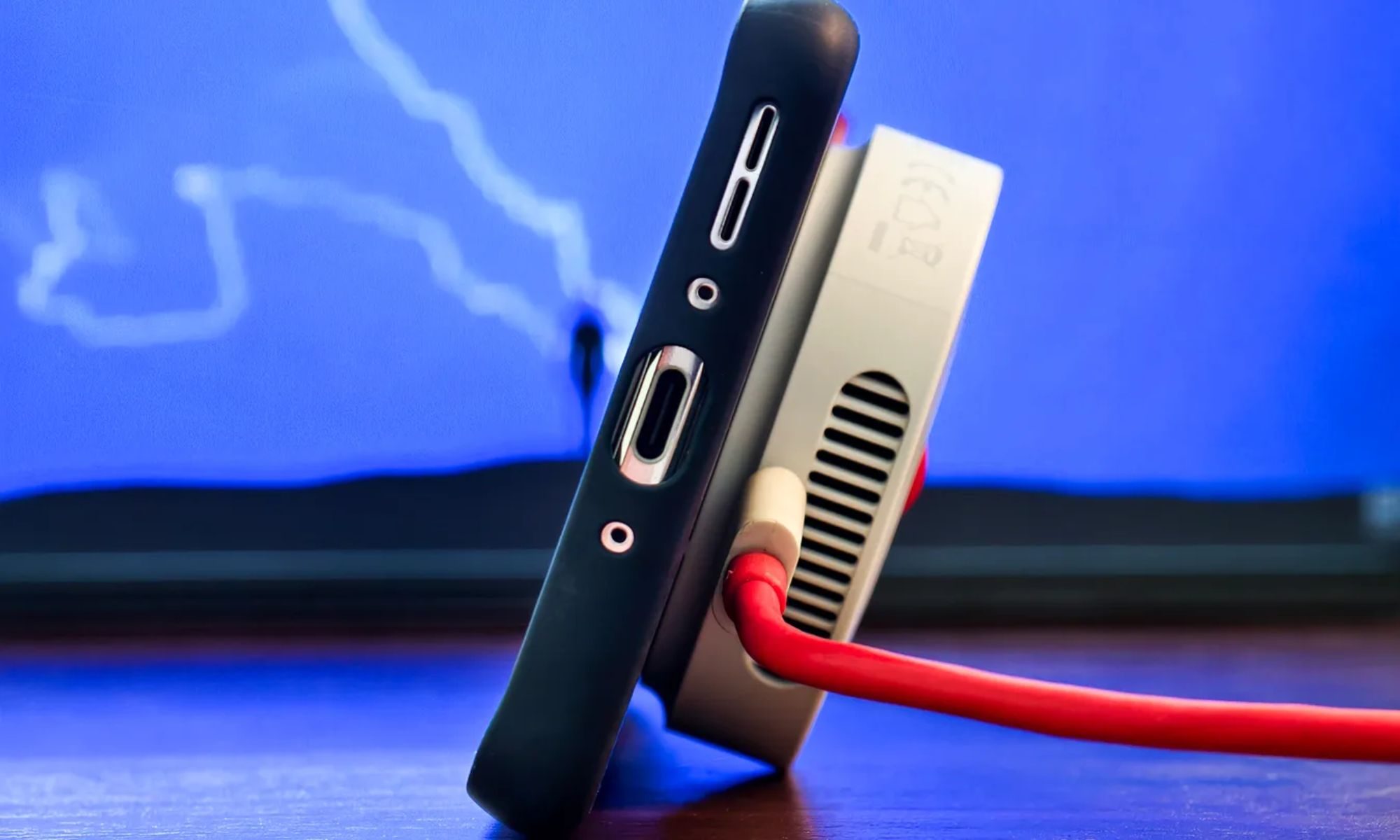
The downside is that these solutions remain proprietary. Users typically need compatible chargers and accessories from the same manufacturer to achieve the advertised charging speeds. That is where the Qi 50W standard could make a meaningful difference. Rather than simply increasing charging power, the goal is to create a universal solution that works reliably across brands while maintaining high safety standards and compatibility.
If Apple, Google, Xiaomi, and the rest of the WPC can agree on a common specification, future smartphones could deliver significantly faster wireless charging without locking users into a single ecosystem. For consumers, that may ultimately prove more valuable than chasing ever-higher charging speeds. A universal 50W standard would mean buying one compatible charger that works efficiently across multiple devices, regardless of the logo on the back of the phone.