





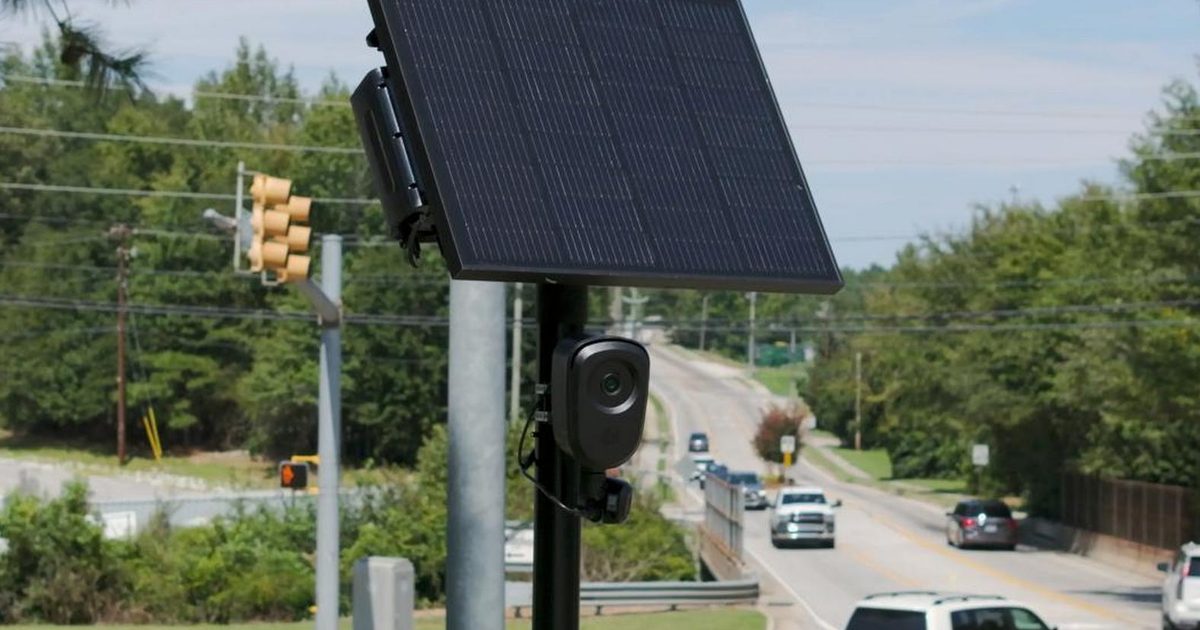
Texas may already have around 13,000 Flock surveillance cameras watching its roads, according to crowdsourced estimates from DeFlock. What is more surprising is how many of them were apparently paid for by Texans themselves.
A Texas Tribune investigation found that at least 3,200 Flock cameras were funded using money raised through a $1 annual fee added to auto insurance policies. Based on DeFlock’s estimate, around a quarter of the cameras currently identified across Texas can be traced back to this funding.
The $1 fee was supposed to fight car crime
Texas introduced the additional charge in 2023 while catalytic converter theft was surging. The fee has since raised an estimated $81 million. The law itself made no mention of automatic license plate readers. Yet at least $30 million has gone toward Flock deployments, including grants that helped local police buy around 2,000 cameras and a $15.9 million investment covering nearly 1,200 cameras for the Texas Department of Public Safety.
Several lawmakers who approved the fee told the Tribune they never expected it to finance a statewide license plate surveillance network.
The backlash is moving beyond protests
We recently covered how opposition to Flock cameras has spread across the US, with cities canceling contracts and residents even blocking or destroying cameras. Texas now has more concrete examples of why people are worried.
A former Katy police officer has been charged with stalking and misuse of official information after allegedly using the department’s Flock cameras and other tracking tools to monitor his ex-wife over several months.

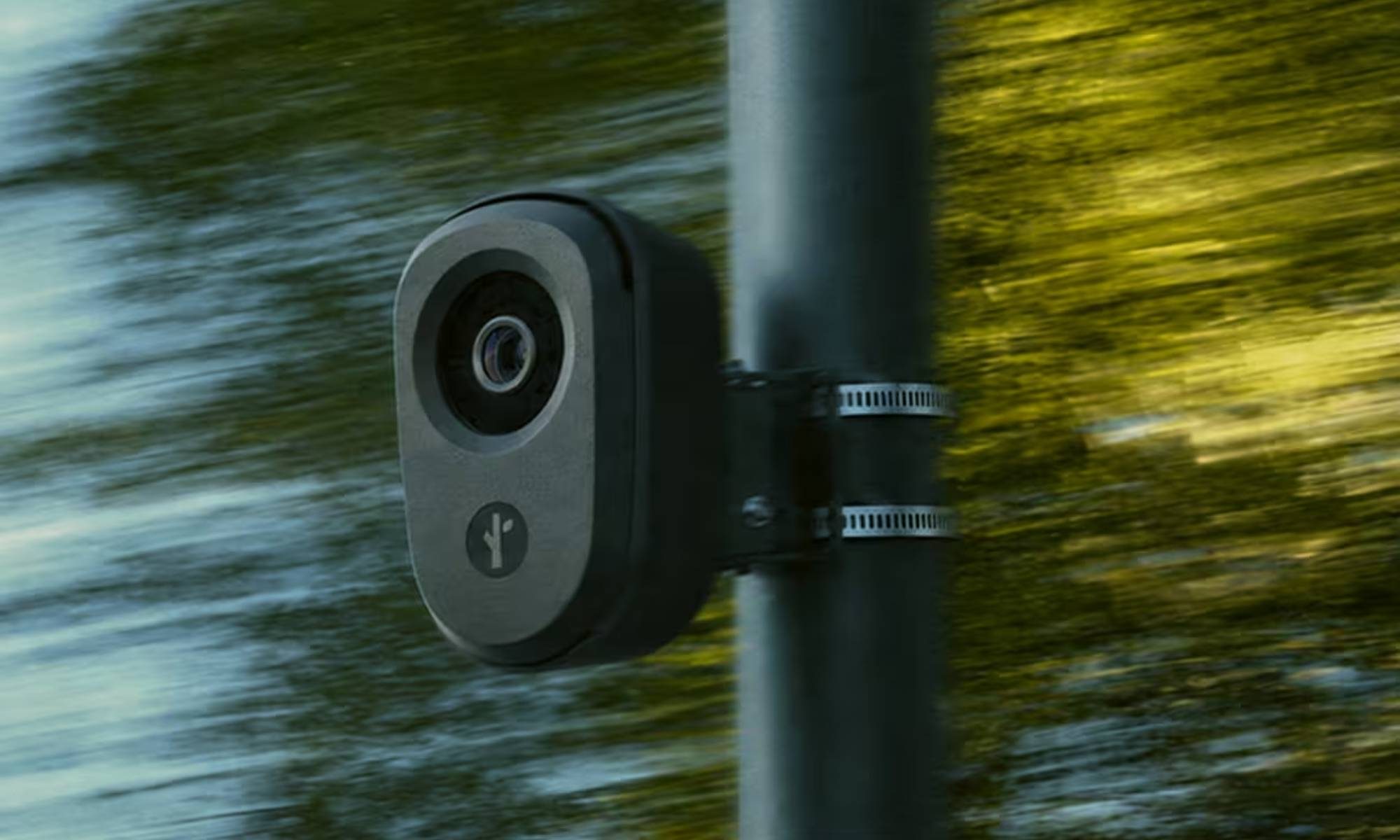
The fight is also reaching the ballot box. League City voters will be asked on November 3 whether local police should continue using fixed Flock license plate readers. Bandera has already canceled its own Flock contract following months of public opposition.
Gov. Greg Abbott has now paused state funding for local Flock grants. For a fee small enough to disappear inside an insurance bill, Texans ended up helping finance thousands of surveillance cameras that many lawmakers who approved the charge say they never intended to fund.